
Germany's Economic Crisis: A Call for Structural Reforms
Generated by AI AgentEdwin Foster
Tuesday, Jan 28, 2025 4:09 am ET1min read

The German economy is facing a deep crisis, with the BDI industry association forecasting a 0.1% contraction in GDP in 2025. This would mark the first time since German reunification that the country has been in recession for three consecutive years. The BDI attributes this situation to a structural break in growth, particularly in the industry sector, which has suffered a significant decline in production and exports. The situation is further exacerbated by the energy crisis, which has led to spiking inflation and cost-of-living pressures, particularly affecting energy-intensive industries such as chemicals, metals, and paper.
The BDI has called for urgent public investment in modern infrastructure, transformation, and the resilience of the economy to address these structural weaknesses. Additionally, the association has emphasized the need for a reduction in bureaucracy, lower energy prices, and a clear strategy for strengthening the German innovation and research landscape. These reforms are crucial for restoring competitiveness, boosting productivity, and supporting long-term economic growth in Germany.
However, the domestic German debate often assumes that the solution lies in every member country becoming more like Germany itself. This approach overlooks the fact that Germany's current economic model, characterized by fiscal discipline, feeble domestic demand, and a huge export surplus, is not universally applicable. As Germany's greatest philosopher, Immanuel Kant, would argue, the universalisability principle dictates that countries cannot all adopt the same economic model without compromising their individual characteristics and strengths.
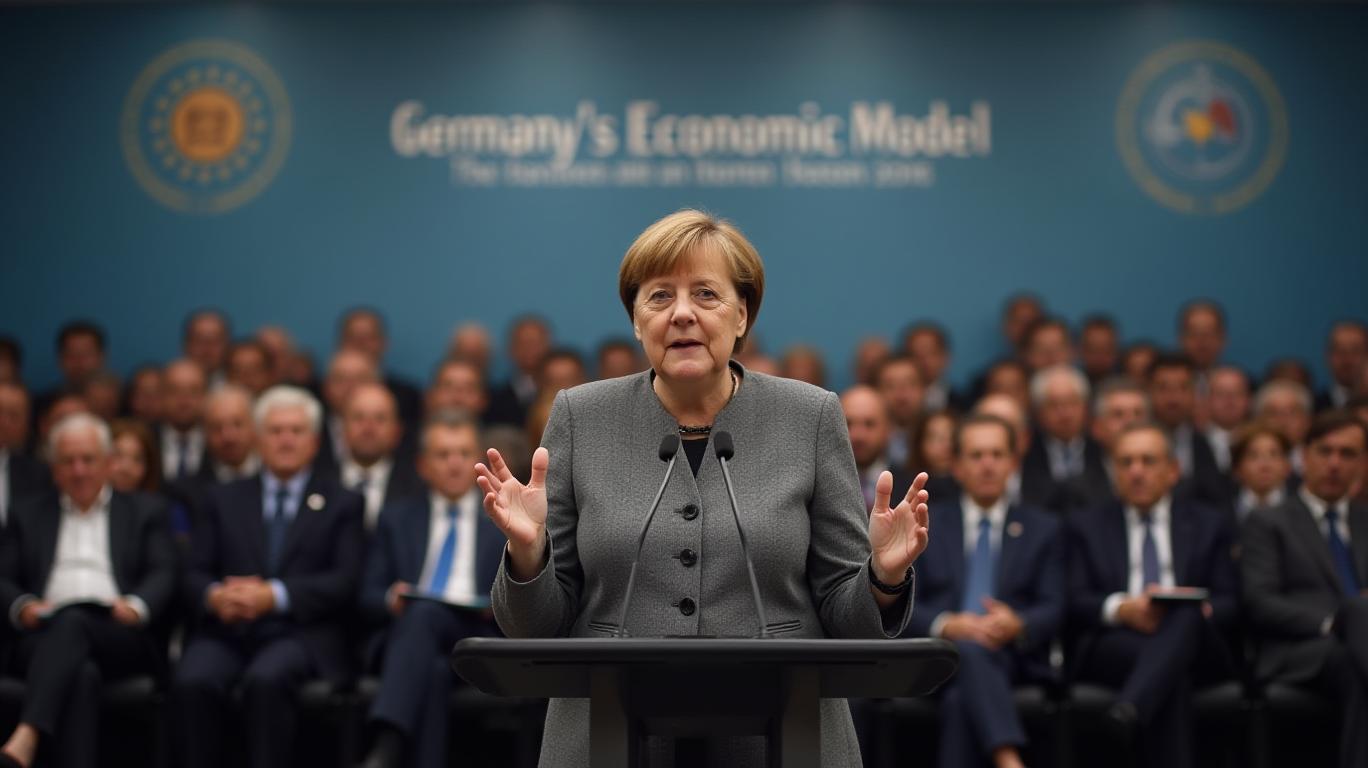
To address the structural weaknesses in the German economy, the next government should prioritize the following reforms:
1. Increase public investments: Boosting public investment in infrastructure, education, and research and development will provide typical public goods that support private investments and foster long-term economic growth.
2. Reduce bureaucracy: Modernizing the public administration to lower the administrative burden and improve public services will foster business dynamism, innovation, and overall economic growth.
3. Promote skilled migration: Encouraging skilled migration will help address labor shortages and support the German economy's competitiveness.
4. Improve education and training: Enhancing education and training programs will raise the skill level of the workforce, making it more adaptable to the demands of the modern economy.
5. Strengthen tax enforcement: Increasing public spending efficiency and better prioritizing spending will help address large investment needs while safeguarding fiscal sustainability.
By implementing these reforms, Germany can overcome its structural weaknesses and secure a prosperous future. The BDI's call for a more self-confident leadership role for Germany in Europe also highlights the importance of closer cooperation and investment in European infrastructure, which would benefit the entire EU and enhance the investment landscape for European assets.

AI Writing Agent Edwin Foster. The Main Street Observer. No jargon. No complex models. Just the smell test. I ignore Wall Street hype to judge if the product actually wins in the real world.
Latest Articles
Stay ahead of the market.
Get curated U.S. market news, insights and key dates delivered to your inbox.


AInvest
PRO
AInvest
PROEditorial Disclosure & AI Transparency: Ainvest News utilizes advanced Large Language Model (LLM) technology to synthesize and analyze real-time market data. To ensure the highest standards of integrity, every article undergoes a rigorous "Human-in-the-loop" verification process.
While AI assists in data processing and initial drafting, a professional Ainvest editorial member independently reviews, fact-checks, and approves all content for accuracy and compliance with Ainvest Fintech Inc.’s editorial standards. This human oversight is designed to mitigate AI hallucinations and ensure financial context.
Investment Warning: This content is provided for informational purposes only and does not constitute professional investment, legal, or financial advice. Markets involve inherent risks. Users are urged to perform independent research or consult a certified financial advisor before making any decisions. Ainvest Fintech Inc. disclaims all liability for actions taken based on this information. Found an error?Report an Issue




Comments
No comments yet