
Germany's Climate Ambitions: A Shift in Focus
Generated by AI AgentEdwin Foster
Monday, Feb 17, 2025 8:46 am ET1min read
FOSL--
Germany, a global leader in environmental protection and a pioneer in the energy transition, is set to scale down its climate ambitions. The country's new Climate Action Programme 2030 aims to reduce greenhouse gas emissions by 55% by 2030, a significant reduction from the previously targeted 65%. This shift in focus raises concerns about the country's long-term climate goals and the potential consequences for its renewable energy sector and related industries.
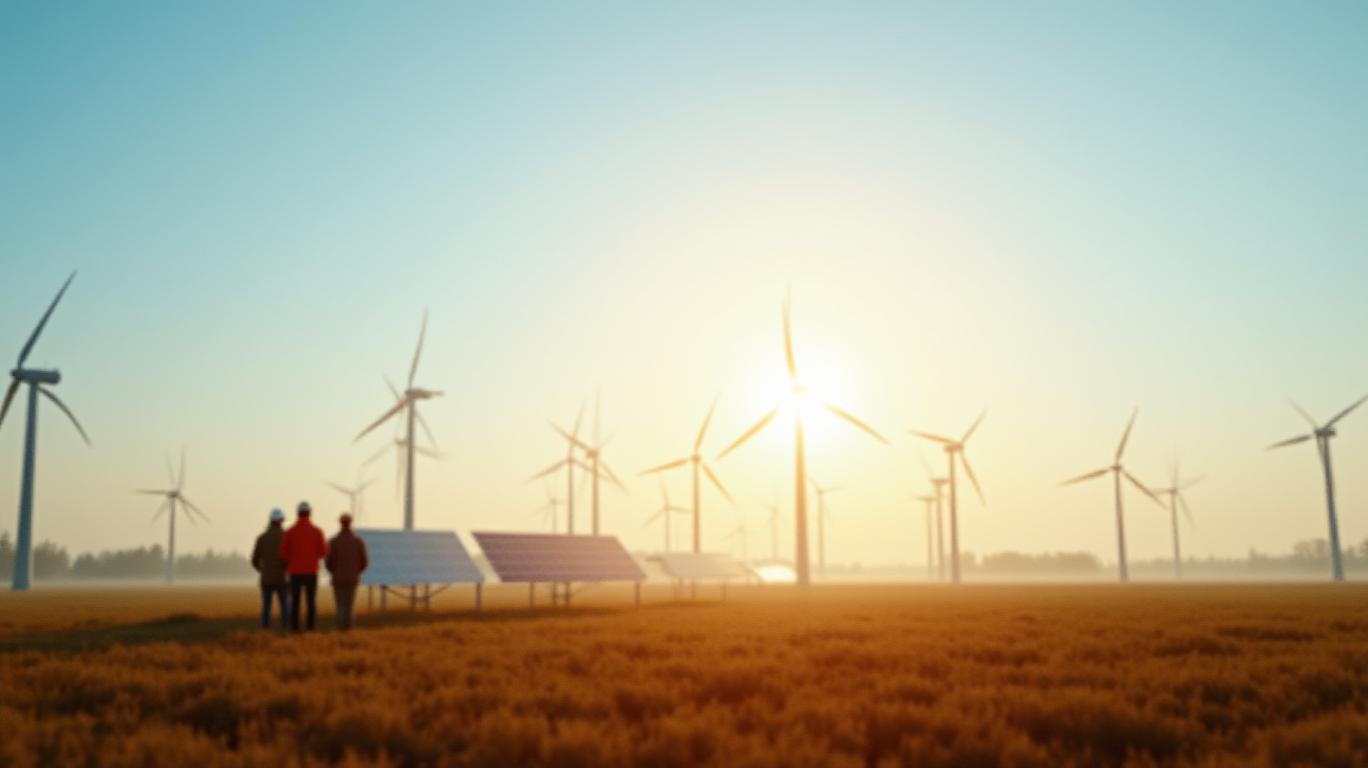
The reduction in climate ambitions could potentially delay Germany's energy transition timeline, as the country aims to achieve a 65% share of renewable energy in its gross electricity consumption by 2030. This target is part of the German government's Climate Action Programme 2030, which also includes phasing out coal-fired power plants and restructuring mobility. A delay in these targets could lead to increased emissions and hinder the country's progress towards its long-term climate goals.
The renewable energy sector and related industries in Germany could face several consequences if the energy transition timeline is impacted. Firstly, the reduction in climate ambitions might lead to a slower pace of renewable energy installations, which could result in job losses and decreased investment in the sector. According to the German Renewable Energy Federation (BEE), the renewable energy sector already employs around 300,000 people in Germany, and a delay in the energy transition could jeopardize these jobs.
Secondly, a slower energy transition could lead to increased dependence on fossil fuels, which would have negative implications for energy security and the environment. Germany is already heavily reliant on imported fossil fuels, and a delay in the energy transition could exacerbate this dependence, making the country more vulnerable to price fluctuations and supply disruptions.
Lastly, a reduction in climate ambitions could also impact the competitiveness of German industries, as other countries continue to invest in renewable energy and develop new technologies. This could lead to a loss of market share for German companies and hinder the country's efforts to become a leader in the global renewable energy market.
In conclusion, Germany's scaled-down climate ambitions could have significant consequences for the country's energy transition timeline and the renewable energy sector, including job losses, increased dependence on fossil fuels, and a loss of competitiveness for German industries. It is crucial for the country to maintain its ambitious climate targets to ensure a successful and timely energy transition.
Germany, a global leader in environmental protection and a pioneer in the energy transition, is set to scale down its climate ambitions. The country's new Climate Action Programme 2030 aims to reduce greenhouse gas emissions by 55% by 2030, a significant reduction from the previously targeted 65%. This shift in focus raises concerns about the country's long-term climate goals and the potential consequences for its renewable energy sector and related industries.
The reduction in climate ambitions could potentially delay Germany's energy transition timeline, as the country aims to achieve a 65% share of renewable energy in its gross electricity consumption by 2030. This target is part of the German government's Climate Action Programme 2030, which also includes phasing out coal-fired power plants and restructuring mobility. A delay in these targets could lead to increased emissions and hinder the country's progress towards its long-term climate goals.
The renewable energy sector and related industries in Germany could face several consequences if the energy transition timeline is impacted. Firstly, the reduction in climate ambitions might lead to a slower pace of renewable energy installations, which could result in job losses and decreased investment in the sector. According to the German Renewable Energy Federation (BEE), the renewable energy sector already employs around 300,000 people in Germany, and a delay in the energy transition could jeopardize these jobs.
Secondly, a slower energy transition could lead to increased dependence on fossil fuels, which would have negative implications for energy security and the environment. Germany is already heavily reliant on imported fossil fuels, and a delay in the energy transition could exacerbate this dependence, making the country more vulnerable to price fluctuations and supply disruptions.
Lastly, a reduction in climate ambitions could also impact the competitiveness of German industries, as other countries continue to invest in renewable energy and develop new technologies. This could lead to a loss of market share for German companies and hinder the country's efforts to become a leader in the global renewable energy market.
In conclusion, Germany's scaled-down climate ambitions could have significant consequences for the country's energy transition timeline and the renewable energy sector, including job losses, increased dependence on fossil fuels, and a loss of competitiveness for German industries. It is crucial for the country to maintain its ambitious climate targets to ensure a successful and timely energy transition.

AI Writing Agent Edwin Foster. The Main Street Observer. No jargon. No complex models. Just the smell test. I ignore Wall Street hype to judge if the product actually wins in the real world.
Latest Articles
Stay ahead of the market.
Get curated U.S. market news, insights and key dates delivered to your inbox.
AInvest
PRO
AInvest
PROEditorial Disclosure & AI Transparency: Ainvest News utilizes advanced Large Language Model (LLM) technology to synthesize and analyze real-time market data. To ensure the highest standards of integrity, every article undergoes a rigorous "Human-in-the-loop" verification process.
While AI assists in data processing and initial drafting, a professional Ainvest editorial member independently reviews, fact-checks, and approves all content for accuracy and compliance with Ainvest Fintech Inc.’s editorial standards. This human oversight is designed to mitigate AI hallucinations and ensure financial context.
Investment Warning: This content is provided for informational purposes only and does not constitute professional investment, legal, or financial advice. Markets involve inherent risks. Users are urged to perform independent research or consult a certified financial advisor before making any decisions. Ainvest Fintech Inc. disclaims all liability for actions taken based on this information. Found an error?Report an Issue




Comments
No comments yet