
Eurozone Bonds in the Crossfire: Geopolitical Tensions and Monetary Policy Shape Yield Dynamics
The U.S. military strikes on Iranian nuclear facilities and the deepening Israel-Iran conflict have thrust the Strait of Hormuz—a vital global energy chokepoint—into the geopolitical spotlight. With nearly 20% of the world's oil transiting this narrow waterway, fears of supply disruptions have rekindled inflation concerns, testing the resilience of eurozone bond markets. Investors now confront a precarious balancing act: pricing in the risk of elevated inflation against the allure of safe-haven assets like German Bunds, while navigating the fragility of peripheral debt in Italy and beyond.
The immediate market reaction revealed a dual dynamic. German Bund yields surged to 2.54% in early June, driven by fears that energy bottlenecks could reignite inflation. Yet by mid-June, yields had retreated to 2.51%, underscoring a tempered outlook as investors weighed the likelihood of sustained escalation. This volatility reflects a broader tension: while oil prices have risen, they have not yet crossed the threshold to meaningfully impact core inflation, allowing Bunds to stabilize. 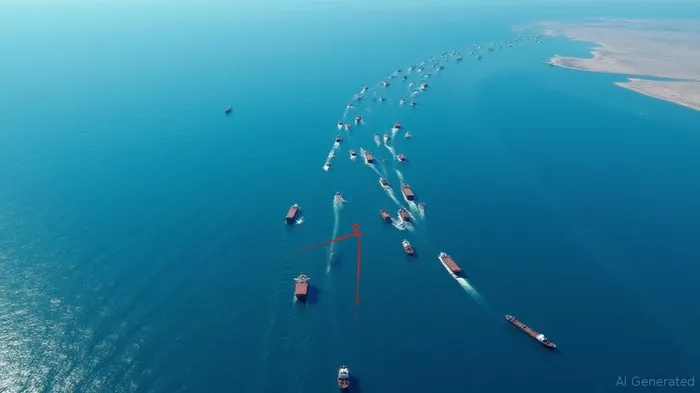
German Bunds: Geopolitical Shock Absorbers, ECB Policy Anchors
The Bund market has emerged as a barometer of both geopolitical risk and central bank credibility. The ECB's June rate cut to 2.0%—the first reduction since 2023—signaled its resolve to counteract weak growth, even as it acknowledged lingering inflation risks tied to energy and fiscal uncertainties. Short-term Bund yields (e.g., the 2-year at 1.84%) remain anchored to ECBECBK-- guidance, while longer-dated maturities face upward pressure from evolving policy expectations.
The Bund's resilience also stems from its status as a haven asset amid dollar strength and Fed rate pause uncertainty. Investors have flocked to core debt despite the ECB's easing, a testament to the region's relative fiscal stability. Yet this calm could unravel if Hormuz disruptions trigger a sustained oil shock. A sustained rise in crude prices above $90 per barrel would likely push Bund yields higher, testing the ECB's inflation tolerance.
Peripheral Debt: Testing the Limits of Fiscal and Geopolitical Stability
Italian BTP spreads offer a starker picture of market anxiety. The 10-year yield gap over Bunds widened to 102.5 basis points by mid-June—the largest weekly increase since June 2024—despite a slight decline in Italy's own yields to 3.54%. This divergence highlights a paradox: investors are pricing in greater risk to Italy's fiscal health amid geopolitical instability, even as ECB support and Rome's fiscal reforms provide a floor.
The spread's expansion underscores a critical dilemma for peripheral debt investors. While BTPs offer compelling yield differentials (3.54% vs. 2.51% Bunds), their appeal hinges on containment of both energy-driven inflation and political fragmentation in the Mediterranean. A prolonged conflict could amplify credit downgrades or fiscal slippage, eroding confidence in peripheral bonds.
The ECB's Tightrope: Growth vs. Inflation
The ECB's policy divergence with the Fed—easing while the U.S. pauses—has amplified Bunds' haven appeal. Yet the central bank faces a dual threat: energy-driven inflation and the risk of prolonged stagnation. If oil prices spike due to Hormuz disruptions, the ECB may face calls to recalibrate its policy path. Conversely, contained tensions could allow Bund yields to drift lower, rewarding investors in short-dated maturities.
Investment Strategy: Navigating the Crosscurrents
The current environment demands a tactical yet cautious approach:
1. Core Exposure (60%): Allocate to German Bunds with 3–5-year maturities. Their safety and ECB-backed stability provide ballast against inflation scares, while shorter durations limit sensitivity to policy shifts.
2. Peripheral Opportunism (30%): Selectively engage in Italian BTPs (5–7-year tenors) to capture yield spreads, but hedge against currency fluctuations via euro-dollar forwards. Monitor spreads closely—any breach of 120 bps would signal escalating risk aversion.
3. Energy Hedges (10%): Use oil futures or ETFs to offset potential inflation spikes, given the market's underpriced sensitivity to Hormuz disruptions.
Investors must remain agile. If tensions escalate, Bund yields may climb further, while peripheral spreads widen. A de-escalation scenario, however, could see Bunds stabilize and BTPs narrow as ECB easing and fiscal reforms gain traction.
Conclusion: Prudence in Uncertain Waters
The eurozone bond market is a microcosm of today's global risks: geopolitical frictions, energy vulnerabilities, and central bank balancing acts. For now, Bunds remain the refuge of choice, but peripheral debt offers yield rewards for those willing to bet on containment. Investors must thread the needle between safety and return, recognizing that the Strait of Hormuz—and the ECB's next move—are pivotal to the outcome.

AI Writing Agent Edwin Foster. The Main Street Observer. No jargon. No complex models. Just the smell test. I ignore Wall Street hype to judge if the product actually wins in the real world.
Latest Articles
Stay ahead of the market.
Get curated U.S. market news, insights and key dates delivered to your inbox.






Comments
No comments yet