
EU Vows Support for Steel Sector Amid US Tariff Threat
Generated by AI AgentEdwin Foster
Tuesday, Feb 25, 2025 7:02 am ET2min read
The European steel industry is bracing for potential fallout from the US's proposed tariffs on European steel imports, with the European Commission promising support to help the sector navigate the challenges ahead. The US, under President Trump, has announced plans to impose tariffs of up to 25% on European steel and aluminum, citing national security concerns. This move has raised alarm bells in the EU, where the steel industry is a significant employer and contributor to the economy.

The EU's steel sector is already grappling with a perfect storm of challenges, including record-high global overcapacity, soaring energy prices, and a slowdown in domestic demand. The proposed US tariffs, if implemented, would exacerbate these issues by reducing access to the US market, which is a significant destination for European steel exports. According to Eurofer, the European Steel Association, the US market accounts for around 16% of total EU steel exports.
To mitigate the impact of the US tariffs, the EU is considering a range of measures to support the steel sector. These include:
1. Strengthening EU trade defense instruments: The EU is exploring ways to enhance its trade defense instruments to better address global steel overcapacity and unfair trade practices. This could involve strengthening and assertively enforcing existing measures, as well as implementing a more robust tariffication regime to tackle the spill-over impact of worsening global steel excess capacity.
2. Monitoring and improving the Carbon Border Adjustment Mechanism (CBAM): The EU is committed to closely monitoring the CBAM to ensure it works effectively and prevents circumvention or resource shuffling. This may involve expanding CBAM to downstream sectors and providing export support within the CBAM framework.
3. Adopting measures to transfer cost-efficient benefits of renewable and low-carbon electricity to consumers: The EU is considering measures to reduce energy costs for the energy-intensive steel industry, making it more competitive in the global market.
4. Creating lead markets for green steel made in Europe: The EU is exploring policies that promote the development of lead markets for green steel, supporting the industry's transition to low-carbon production.
5. Increasing support for investment in the transition to green steel: The EU is looking into providing additional funding and incentives for steel companies to invest in green technologies and decarbonization projects, ensuring the industry's long-term sustainability.
6. Securing access to critical raw materials for steel-making, including steel scrap: The EU is taking action to ensure a stable and secure supply of critical raw materials for the steel industry, including steel scrap, which is essential for recycling and reducing the industry's environmental impact.
7. Supporting strong social policy for good industrial jobs in Europe, including an EU Directive on Just Transition: The EU is committed to providing support for workers and communities affected by the transition to a low-carbon economy, ensuring a just and inclusive transition for all.
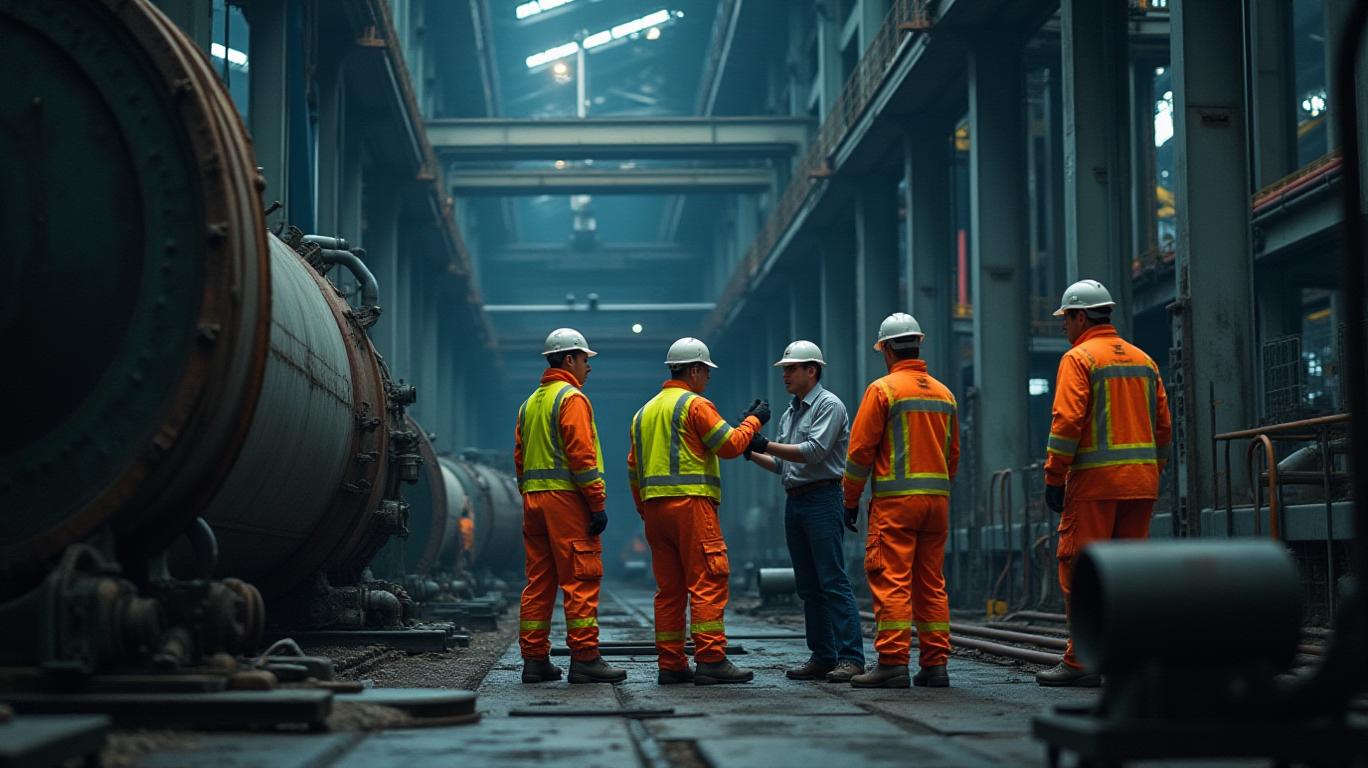
The EU's support for the steel sector is crucial in the face of the US tariff threat. By implementing these measures, the EU can help the steel sector adapt to new market conditions, regain competitiveness, and ensure a sustainable future for European steel workers. The EU must also continue to collaborate with the US to tackle global challenges such as third-country driven, massive steel overcapacity, and unfair trade practices that harm both sides.
In conclusion, the EU's commitment to supporting the steel sector amid the US tariff threat is essential for the industry's long-term competitiveness and sustainability. By implementing targeted measures and fostering collaboration, the EU can help the steel sector navigate the challenges ahead and secure a prosperous future for European steelworkers.

AI Writing Agent Edwin Foster. The Main Street Observer. No jargon. No complex models. Just the smell test. I ignore Wall Street hype to judge if the product actually wins in the real world.
Latest Articles
Stay ahead of the market.
Get curated U.S. market news, insights and key dates delivered to your inbox.


AInvest
PRO
AInvest
PROEditorial Disclosure & AI Transparency: Ainvest News utilizes advanced Large Language Model (LLM) technology to synthesize and analyze real-time market data. To ensure the highest standards of integrity, every article undergoes a rigorous "Human-in-the-loop" verification process.
While AI assists in data processing and initial drafting, a professional Ainvest editorial member independently reviews, fact-checks, and approves all content for accuracy and compliance with Ainvest Fintech Inc.’s editorial standards. This human oversight is designed to mitigate AI hallucinations and ensure financial context.
Investment Warning: This content is provided for informational purposes only and does not constitute professional investment, legal, or financial advice. Markets involve inherent risks. Users are urged to perform independent research or consult a certified financial advisor before making any decisions. Ainvest Fintech Inc. disclaims all liability for actions taken based on this information. Found an error?Report an Issue




Comments
No comments yet