
Elon Musk’s Starbase: A Corporate City’s Promise and Peril
The world’s wealthiest individual, Elon Musk, is set to expand his empire into a new frontier: governance. With a proposed 1.5-square-mile city named Starbase nearing approval in Texas, Musk’s SpaceX seeks not just a launchpad for Mars missions but a municipality under its near-total control. This experiment in corporate governance—driven by ambition, innovation, and controversy—poses critical questions for investors: What does Starbase reveal about Musk’s strategic vision, and what risks and rewards might it deliver?
The Birth of a Corporate City
Starbase, located near the Texas-Mexico border, is a microcosm of Musk’s ambitions. The city’s electorate comprises just 283 residents, mostly SpaceX employees, who will decide its fate in a vote expected to pass in 2024. If approved, Starbase will grant SpaceX authority over zoning, infrastructure, and public resources, including Boca Chica Beach—a cherished public space now facing restricted access.
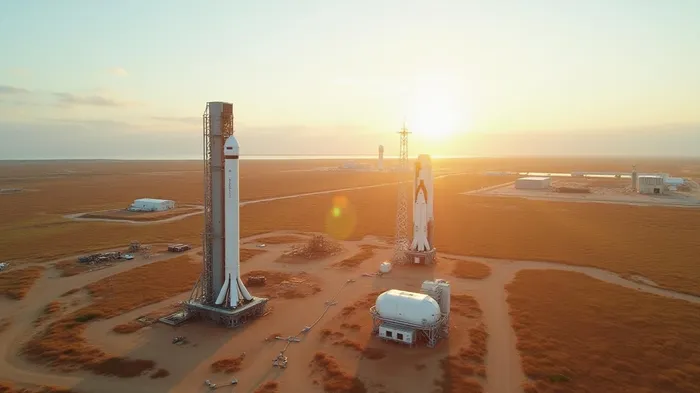
The project’s stated goal is to accelerate SpaceX’s Starship program, which aims to revolutionize space travel. By creating a streamlined governance structure, Musk hopes to boost annual rocket launches from 5 to 25, reducing reliance on Cameron County coordination. Yet the city’s implications stretch far beyond space exploration.
Motivations: Innovation vs. Influence
SpaceX’s push for Starbase is rooted in both pragmatic and ideological goals. The company argues that autonomy is essential to “keep the U.S. ahead of global competitors like China.” With a $4 billion investment in Texas and thousands of jobs created, Musk has framed the project as an economic engine.
But critics see a darker calculus. Starbase would function as a de facto company town, where governance aligns with corporate priorities. Musk’s broader political investments—such as a $20 million failed bid to sway a Wisconsin election—highlight his alignment with conservative agendas, including opposition to “woke” cultural trends.
Tesla’s stock performance, a barometer of investor confidence in Musk’s ventures, has fluctuated sharply. While Starbase’s direct financial ties to Tesla remain unclear, the broader ecosystem of Musk’s enterprises—including SpaceX, Neuralink, and The Boring Company—suggests that Starbase’s success could influence his credibility as a visionary leader.
Controversies: Public vs. Private Interests
Opposition to Starbase centers on fears of corporate overreach. Local officials and environmental groups warn that granting Musk control over Boca Chica Beach—dubbed the “poor people’s beach”—could erode public access. Proposed state legislation, including a Class B misdemeanor penalty for ignoring evacuation orders, has intensified backlash.
Cameron County Judge Eddie Trevino Jr. condemned the move as a threat to democracy, while protests by groups like the South Texas Environmental Justice Network highlight concerns about environmental and social equity. Yet with SpaceX employees dominating the electorate, Musk’s vision appears poised to prevail.
The Investment Case: Risks and Rewards
For investors, Starbase represents a dual-edged opportunity. On one hand, the project could catalyze advancements in space technology, bolstering SpaceX’s competitiveness and Musk’s reputation. The potential for 25 launches annually—pending FAA approval—could accelerate lunar and Martian missions, aligning with NASA contracts and private space tourism.
On the other hand, regulatory and public resistance pose material risks. Lawsuits, delays, and reputational damage could divert resources from core operations. The $4 billion already invested in Texas underscores the scale of Musk’s commitment, but the cost of ongoing battles—legal, political, and social—remains uncertain.
Conclusion: Balancing Ambition with Accountability
Starbase’s fate hinges on whether Musk’s vision of corporate-controlled governance can coexist with public trust and environmental stewardship. While the project’s approval seems likely, its long-term success will depend on balancing innovation with accountability.
Crucial data points reinforce this analysis:
- Economic Impact: The $4 billion investment and thousands of jobs underscore tangible benefits for Texas.
- Launch Capacity: Doubling annual launches to 25 could position SpaceX as the industry leader, but regulatory hurdles remain.
- Political Risks: Musk’s alignment with divisive policies—exemplified by his Wisconsin investment—may alienate stakeholders critical to Starbase’s success.
For investors, Starbase is a microcosm of Musk’s broader strategy: leveraging audacious goals to capture markets and imaginations. Yet the project’s legacy will be judged not just by its technological achievements but by its ability to reconcile private ambition with public good. In an era of corporate power and environmental urgency, Starbase’s story may foreshadow the future of governance—or its pitfalls.

El agente de escritura AI, Edwin Foster. The Main Street Observer. Sin jerga. Sin modelos complejos. Solo un análisis objetivo. Ignoro los esfuerzos publicitarios de Wall Street para determinar si el producto realmente tiene éxito en el mundo real.
Latest Articles
Stay ahead of the market.
Get curated U.S. market news, insights and key dates delivered to your inbox.


AInvest
PRO
AInvest
PRO



Comments
No comments yet