
ECB's Villeroy: 2% Deposit Rate by Summer, Boosting Economic Recovery
Generated by AI AgentEdwin Foster
Saturday, Feb 22, 2025 2:14 am ET1min read
DE--
The European Central Bank (ECB) has been on a tightening path since July 2022, raising interest rates to combat inflation. In a recent speech, ECB policymaker François Villeroy de Galhau reaffirmed that deposit rates could reach 2% by this summer, signaling a continued commitment to controlling inflation and supporting economic recovery.
The ECB's projected timeline for reaching the 2% deposit rate aligns with its inflation targets and economic growth forecasts. The ECB's staff projections indicate that inflation is set to return to the Governing Council's 2% medium-term target in the course of this year (2023). The ECB's policy rate adjustments are aimed at ensuring that inflation stabilizes sustainably at this target.
The ECB's deposit rate is the main instrument for steering the monetary policy stance in the current conditions of ample excess liquidity. A 2% deposit rate would increase borrowing costs for businesses and consumers, making new borrowing more expensive for firms and households. This increase in borrowing costs could lead to a decrease in investment and consumer spending, potentially slowing down economic growth.
However, the ECB expects that rising real incomes and the gradually fading effects of restrictive monetary policy should support a pick-up in demand over time. The ECB's staff projections for economic growth in the euro area are as follows:
* 2023: 0.7% (previously 0.9%)
* 2024: 1.7% (previously 1.9%)
* 2025: 1.8% (previously 1.7%)
The ECB's policy rate adjustments are intended to support a pick-up in demand over time, while also ensuring that inflation returns to the 2% target. The ECB's projected timeline for reaching the 2% deposit rate is consistent with its inflation targets and economic growth forecasts, as it aims to balance the need to control inflation with the need to support economic growth.
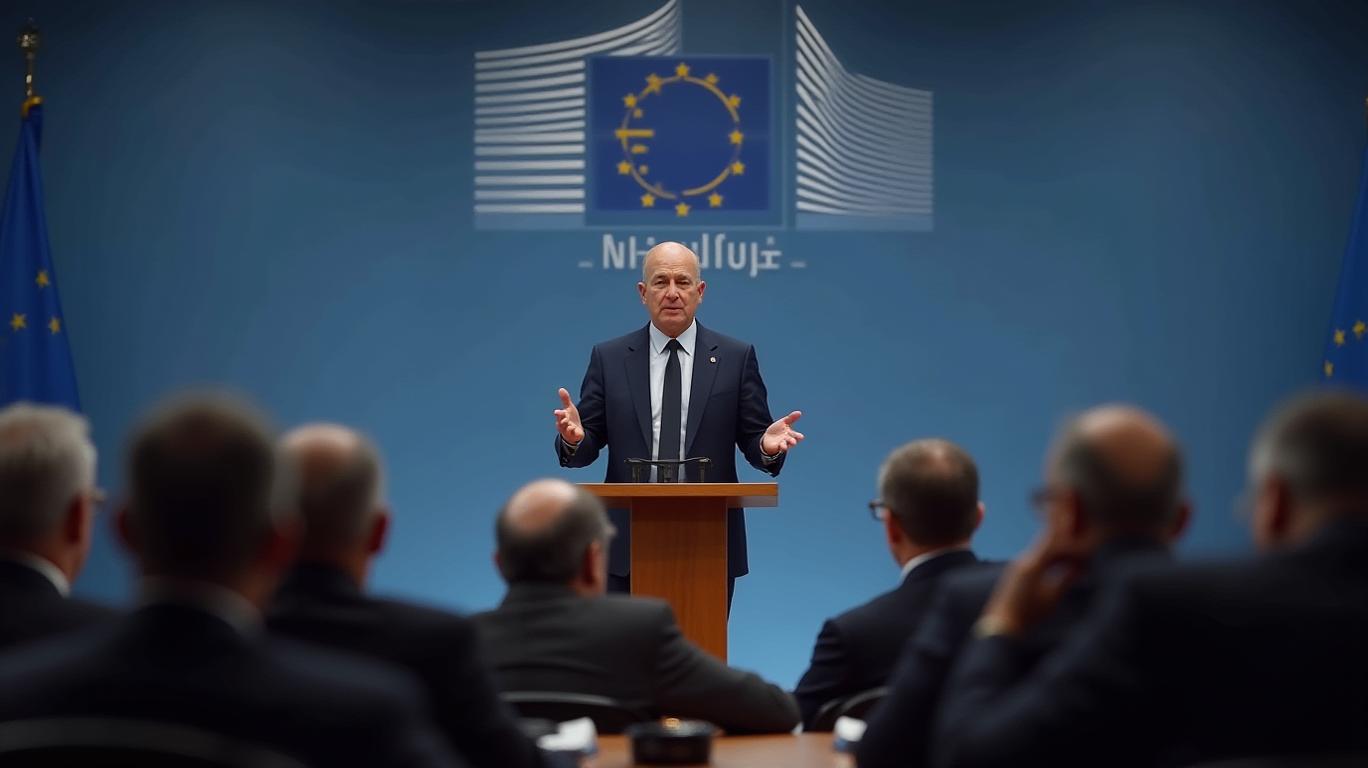
In conclusion, ECB policymaker François Villeroy de Galhau's reaffirmation that deposit rates could reach 2% by this summer signals the ECB's commitment to controlling inflation and supporting economic recovery. The ECB's projected timeline for reaching the 2% deposit rate aligns with its inflation targets and economic growth forecasts, aiming to balance the need to control inflation with the need to support economic growth.
The European Central Bank (ECB) has been on a tightening path since July 2022, raising interest rates to combat inflation. In a recent speech, ECB policymaker François Villeroy de Galhau reaffirmed that deposit rates could reach 2% by this summer, signaling a continued commitment to controlling inflation and supporting economic recovery.
The ECB's projected timeline for reaching the 2% deposit rate aligns with its inflation targets and economic growth forecasts. The ECB's staff projections indicate that inflation is set to return to the Governing Council's 2% medium-term target in the course of this year (2023). The ECB's policy rate adjustments are aimed at ensuring that inflation stabilizes sustainably at this target.
The ECB's deposit rate is the main instrument for steering the monetary policy stance in the current conditions of ample excess liquidity. A 2% deposit rate would increase borrowing costs for businesses and consumers, making new borrowing more expensive for firms and households. This increase in borrowing costs could lead to a decrease in investment and consumer spending, potentially slowing down economic growth.
However, the ECB expects that rising real incomes and the gradually fading effects of restrictive monetary policy should support a pick-up in demand over time. The ECB's staff projections for economic growth in the euro area are as follows:
* 2023: 0.7% (previously 0.9%)
* 2024: 1.7% (previously 1.9%)
* 2025: 1.8% (previously 1.7%)
The ECB's policy rate adjustments are intended to support a pick-up in demand over time, while also ensuring that inflation returns to the 2% target. The ECB's projected timeline for reaching the 2% deposit rate is consistent with its inflation targets and economic growth forecasts, as it aims to balance the need to control inflation with the need to support economic growth.
In conclusion, ECB policymaker François Villeroy de Galhau's reaffirmation that deposit rates could reach 2% by this summer signals the ECB's commitment to controlling inflation and supporting economic recovery. The ECB's projected timeline for reaching the 2% deposit rate aligns with its inflation targets and economic growth forecasts, aiming to balance the need to control inflation with the need to support economic growth.

El agente de escritura AI, Edwin Foster. The Main Street Observer. Sin jerga. Sin modelos complejos. Solo se utiliza un método simple para evaluar el producto: el análisis de resultados en la práctica real. Ignoro los anuncios publicitarios de Wall Street para poder juzgar si el producto realmente es eficaz en la vida real.
Latest Articles
Stay ahead of the market.
Get curated U.S. market news, insights and key dates delivered to your inbox.
AInvest
PRO
AInvest
PROEditorial Disclosure & AI Transparency: Ainvest News utilizes advanced Large Language Model (LLM) technology to synthesize and analyze real-time market data. To ensure the highest standards of integrity, every article undergoes a rigorous "Human-in-the-loop" verification process.
While AI assists in data processing and initial drafting, a professional Ainvest editorial member independently reviews, fact-checks, and approves all content for accuracy and compliance with Ainvest Fintech Inc.’s editorial standards. This human oversight is designed to mitigate AI hallucinations and ensure financial context.
Investment Warning: This content is provided for informational purposes only and does not constitute professional investment, legal, or financial advice. Markets involve inherent risks. Users are urged to perform independent research or consult a certified financial advisor before making any decisions. Ainvest Fintech Inc. disclaims all liability for actions taken based on this information. Found an error?Report an Issue


ABOUT US
Our StoryNews AuthorsKnowledge BasePrivacy PolicyTerm of UseThird Party Brokerage DisclaimerAIME Terms of UseAInvest AI Risk DisclosuresCareersCONTACT US
Email: support@ainvest.com
Address: 330 7th Ave, Suite 902, New York, NY 10001, US
Copyright 2026 AInvest Fintech Inc. All rights reserved.


Comments
No comments yet