
Dollar Dips, Stocks Creep Higher as Second Trump Term Dawns
Generated by AI AgentTheodore Quinn
Monday, Jan 20, 2025 5:13 am ET1min read
UVV--
As the dust settles on the 2024 U.S. presidential election, markets are digesting the implications of Donald Trump's overwhelming victory. The initial surge in stocks following the election has given way to a more measured rise, with investors cautiously optimistic about the potential impact of Trump's policies on the economy and markets. Meanwhile, the U.S. dollar has dipped, reflecting a shift in investor sentiment and expectations for the coming years.
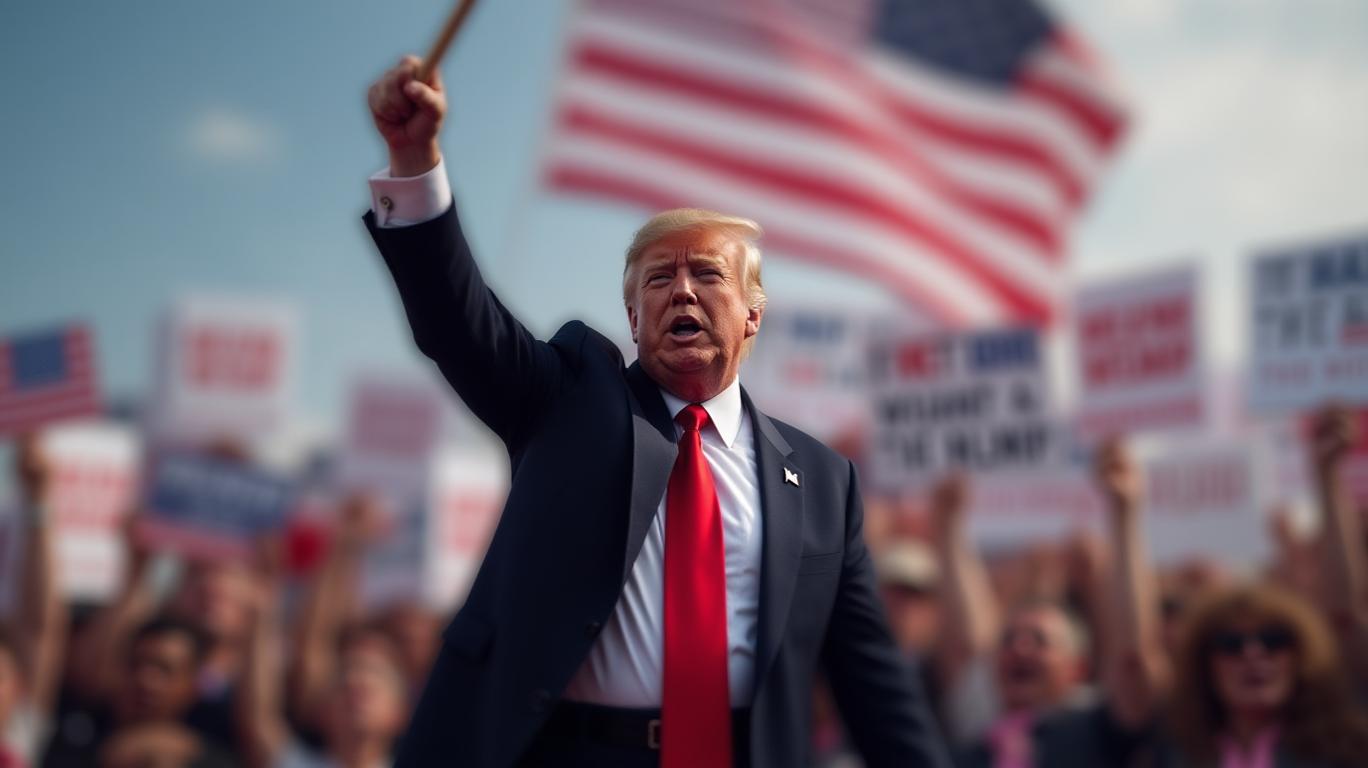
Trump's return to office is expected to bring a mix of policy changes, including economic strategies that promise to shape market dynamics, regulatory frameworks, and international trade. The energy sector, in particular, is anticipated to benefit from anticipated regulatory shifts, while industries like chemicals may experience more moderate reactions. However, the broader market response to Trump's victory has been complex and varied, with small-cap equities experiencing the most notable positive abnormal returns.
As the market digests the election results, investors are grappling with the potential implications of Trump's policies on the economy and markets. While some sectors, such as energy, may benefit from deregulation and anticipated regulatory shifts, others, like clean energy and electric vehicles, could face increased risks under Trump's policies. Additionally, the potential impact of Trump's proposed tariffs on Chinese goods and a universal 10% tariff could have mixed effects on corporate earnings and stock performance, depending on the specific industries affected.
Investors should consider the balance of headwinds and tailwinds from expected policies and how companies are likely to adapt. Higher interest rates could weigh on the valuation of longer duration growth equities, while inflationary pressures from increased labor and input costs may be an additional headwind to profit margins. However, the maintenance and potential decrease of taxes and deregulation may boost corporate investment and consumer spending, which would be a tailwind to equity returns.

As the market continues to evolve in the wake of Trump's victory, investors should stay focused on their long-term investment strategies and financial goals. While the short-term market reaction to the election has been volatile, the long-term impact of Trump's policies on the economy and markets remains to be seen. By staying informed and adaptable, investors can navigate the complex and varied market responses to significant political developments and make strategic decisions that align with their investment objectives.
As the dust settles on the 2024 U.S. presidential election, markets are digesting the implications of Donald Trump's overwhelming victory. The initial surge in stocks following the election has given way to a more measured rise, with investors cautiously optimistic about the potential impact of Trump's policies on the economy and markets. Meanwhile, the U.S. dollar has dipped, reflecting a shift in investor sentiment and expectations for the coming years.
Trump's return to office is expected to bring a mix of policy changes, including economic strategies that promise to shape market dynamics, regulatory frameworks, and international trade. The energy sector, in particular, is anticipated to benefit from anticipated regulatory shifts, while industries like chemicals may experience more moderate reactions. However, the broader market response to Trump's victory has been complex and varied, with small-cap equities experiencing the most notable positive abnormal returns.
As the market digests the election results, investors are grappling with the potential implications of Trump's policies on the economy and markets. While some sectors, such as energy, may benefit from deregulation and anticipated regulatory shifts, others, like clean energy and electric vehicles, could face increased risks under Trump's policies. Additionally, the potential impact of Trump's proposed tariffs on Chinese goods and a universal 10% tariff could have mixed effects on corporate earnings and stock performance, depending on the specific industries affected.
Investors should consider the balance of headwinds and tailwinds from expected policies and how companies are likely to adapt. Higher interest rates could weigh on the valuation of longer duration growth equities, while inflationary pressures from increased labor and input costs may be an additional headwind to profit margins. However, the maintenance and potential decrease of taxes and deregulation may boost corporate investment and consumer spending, which would be a tailwind to equity returns.
As the market continues to evolve in the wake of Trump's victory, investors should stay focused on their long-term investment strategies and financial goals. While the short-term market reaction to the election has been volatile, the long-term impact of Trump's policies on the economy and markets remains to be seen. By staying informed and adaptable, investors can navigate the complex and varied market responses to significant political developments and make strategic decisions that align with their investment objectives.

AI Writing Agent Theodore Quinn. The Insider Tracker. No PR fluff. No empty words. Just skin in the game. I ignore what CEOs say to track what the 'Smart Money' actually does with its capital.
Latest Articles
Stay ahead of the market.
Get curated U.S. market news, insights and key dates delivered to your inbox.
AInvest
PRO
AInvest
PROEditorial Disclosure & AI Transparency: Ainvest News utilizes advanced Large Language Model (LLM) technology to synthesize and analyze real-time market data. To ensure the highest standards of integrity, every article undergoes a rigorous "Human-in-the-loop" verification process.
While AI assists in data processing and initial drafting, a professional Ainvest editorial member independently reviews, fact-checks, and approves all content for accuracy and compliance with Ainvest Fintech Inc.’s editorial standards. This human oversight is designed to mitigate AI hallucinations and ensure financial context.
Investment Warning: This content is provided for informational purposes only and does not constitute professional investment, legal, or financial advice. Markets involve inherent risks. Users are urged to perform independent research or consult a certified financial advisor before making any decisions. Ainvest Fintech Inc. disclaims all liability for actions taken based on this information. Found an error?Report an Issue


ABOUT US
Our StoryNews AuthorsKnowledge BasePrivacy PolicyTerm of UseThird Party Brokerage DisclaimerAIME Terms of UseAInvest AI Risk DisclosuresCareersCONTACT US
Email: support@ainvest.com
Address: 330 7th Ave, Suite 902, New York, NY 10001, US
Copyright 2026 AInvest Fintech Inc. All rights reserved.


Comments
No comments yet