
Disney Universal Sue Midjourney Over AI Generated Copyrighted Characters
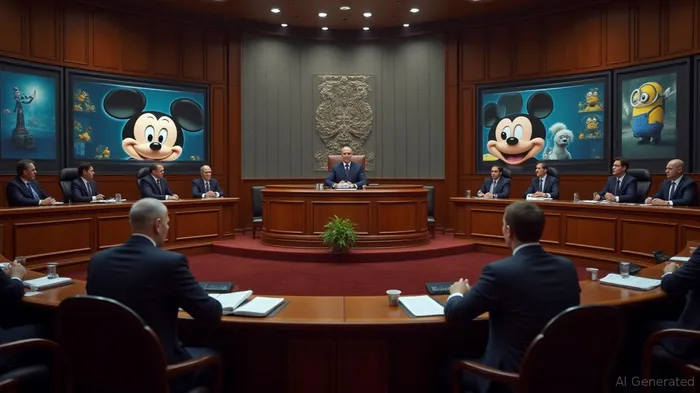
Disney and UniversalUVV-- have taken legal action against AI startup Midjourney, alleging that the company's image generator unlawfully replicates and profits from their iconic copyrighted characters. The lawsuit, filed in a Los Angeles federal court, accuses Midjourney of generating and distributing countless unauthorized images based on DisneyDIS-- and Universal’s intellectual property. These include depictions of Darth Vader, Yoda, and Elsa from Frozen, Marvel superheroes like Iron Man and the Hulk, Universal’s Minions, and characters from Kung Fu Panda and Shrek.
The studios claim that Midjourney’s AI platform builds these images using user prompts, with no safeguards to prevent infringement. Despite requests to halt the practice, Midjourney allegedly released updates producing higher-quality copies. The studios are now seeking a preliminary injunction to stop the platform from generating and distributing such content and to force the company to implement technical protections against copyright violations.
According to the lawsuit, Midjourney earned $300 million in 2023 through paid subscriptions for its AI image-generation services. The studios are now seeking a preliminary injunction to stop the platform from generating and distributing such content and to force the company to implement technical protections against copyright violations.
The lawsuit marks one of the most high-profile challenges to AI companies over image-based intellectual property. Previous cases have primarily focused on text and music. In June 2024, major record labels sued AI music platforms Suno and Udio. Meanwhile, The New York Times continues to pursue OpenAI and Microsoft for unauthorized use of its content in training large language models.
AI companies, including Midjourney, often source their training data from massive web scrapes. In a 2022 interview, CEO David Holz admitted the platform’s dataset came from “a big scrape of the internet.” When asked whether he sought permission from artists, Holz said, “There isn’t really a way to get a hundred million images and know where they’re coming from.”
The lawsuit highlights the entertainment industry’s complex relationship with AI. While studios increasingly use AI to de-age actors and manipulate voice performances in high-profile films, they remain wary of its capacity to copy and commercialize existing IP. Disney’s chief legal officer, Horacio Gutierrez, emphasized the company’s stance: “Piracy is piracy, and the fact that an AI company does it does not make it any less infringing.”
NBCUniversal echoed the sentiment, saying the lawsuit was intended to protect artists’ work and the studio’s significant investment in its content. Syracuse University law professor Shubha Ghosh noted that while derivative works can sometimes be protected if they add creative value, many Midjourney outputs appear to mirror existing characters closely.
Midjourney, founded in 2021 and described as a small, independent lab, has not yet commented on the lawsuit. The outcome could have far-reaching implications for how AI-generated images and potentially videos are regulated under copyright law. It may help define the boundaries of artistic ownership in an AI-driven era.

Stay ahead of the market.
Get curated U.S. market news, insights and key dates delivered to your inbox.




Comments
No comments yet