
Directors Undermining Consent Solicitation: A Red Flag for Governance Risks and Shareholder Value Erosion
In an era where corporate governance increasingly defines shareholder value, one red flag stands out: directors actively resisting shareholder input through manipulative tactics. The Barnwell IndustriesBRN-- case—where entrenched leadership covertly undermined a shareholder consent solicitation—epitomizes how governance failures can erode trust, trigger regulatory scrutiny, and jeopardize long-term returns. For investors, this is not just a governance issue—it’s a call to re-evaluate risk exposure and engagement strategies before value destruction becomes irreversible.
The Barnwell Case: A Blueprint for Entrenched Misconduct
On May 13, 2025, the Sherwood Group—a 29.9% shareholder of Barnwell—sought to remove three directors (Kinzler, Grossman, Horowitz) and appoint its own nominee. The board’s response? A calculated effort to manipulate the consent process. By secretly voting to remove Audit Committee financial expert Woodrum while publicly urging his retention, the directors ensured his ouster. This covert coordination exposed two critical governance flaws:
- Lack of Transparency: Directors used their combined shareholdings to subvert shareholder intent, retaining control despite 53% of shareholders voting for Kinzler’s removal.
- Erosion of Accountability: The board’s legal challenge to block a fair vote for the 2025 Annual Meeting underscores how entrenched leadership prioritizes power over stakeholder interests.

The outcome? A shareholder democracy crisis. Investors in BRN now face a stark choice: support a board accused of manipulating governance processes or push for reforms that could destabilize the company’s leadership.
Broader Trends: Entrenchment, Erosion of Trust, and Regulatory Backlash
The Barnwell case is no outlier. A wave of corporate tactics—from aggressive bylaw amendments to regulatory rollbacks—reflects a systemic shift toward board entrenchment.
1. Poison Pills and Bylaw Armor
Over 1,000 companies have updated bylaws to restrict shareholder proposals or mixed proxy slates. While some aim to prevent “tactical” activism, others overreach. For instance:
- Delaware Courts Have Pushed Back: In AIM ImmunoTech, judges struck down bylaws requiring irrelevant disclosures (e.g., security clearances for non-government firms).
- Universal Proxy Risks: While the 2022 rules were meant to empower shareholders, boards now use them to target weak directors surgically, as seen in campaigns like Trian’s at Disney.
2. SEC Rollbacks and Regulatory Uncertainty
The SEC’s retreat from ESG disclosures (e.g., dropping climate mandates) has emboldened boards to resist shareholder-driven governance. However, this creates a paradox:
- Short-Term Gains, Long-Term Risks: Companies like Barnwell may avoid ESG scrutiny now but face heightened reputational and legal liabilities if activism intensifies.
3. Activist Pushback is Heating Up
Labor unions (e.g., Starbucks’ Strategic Organizing Center) and ESG-focused investors are leveraging year-round campaigns and non-economic proposals to challenge boards. For instance:
- Gildan Activewear (GIL): Browning West’s full-board replacement succeeded after Glass Lewis and ISS endorsed its nominees.
Why This Matters for Investors
The Barnwell case and broader trends signal three critical risks:
- Value Destruction: Companies with entrenched boards underperform peers by 12–18% over five years (Barnwell’s BRN stock illustrates this starkly).
- Regulatory Headwinds: Courts and agencies are increasingly scrutinizing bylaw overreach and director misconduct, as seen in Moelis & Co. settlements.
- Activist Volatility: Shareholder campaigns now resolve 25% faster, with activists securing seats in 84% of cases.
Investors: Act Now—Reassess, Engage, or Exit
To mitigate these risks, investors must adopt a three-pronged strategy:
- Reassess Risk Exposure:
- Avoid companies with board entrenchment metrics (e.g., low director turnover, excessive bylaw restrictions).
Use tools like ISS and Glass Lewis ratings to identify governance red flags.
Proactive Engagement:
- Vote against directors failing to secure majority support (e.g., Barnwell’s Kinzler, who retained his seat despite 53% opposition).
Support shareholder proposals on board refreshment and transparency.
Consider Strategic Divestment:
- Exit positions in firms where boards resist accountability, as governance failures often precede operational declines.
Conclusion: Governance is the New Alpha
In an era of activist innovation and regulatory flux, governance is the critical differentiator between sustainable value and decline. The Barnwell case is a wake-up call: boards that manipulate shareholder input not only risk legal battles but also alienate long-term investors. For those managing capital, the message is clear: prioritize governance rigor, demand accountability, and act decisively before red flags turn into value-eroding crises.
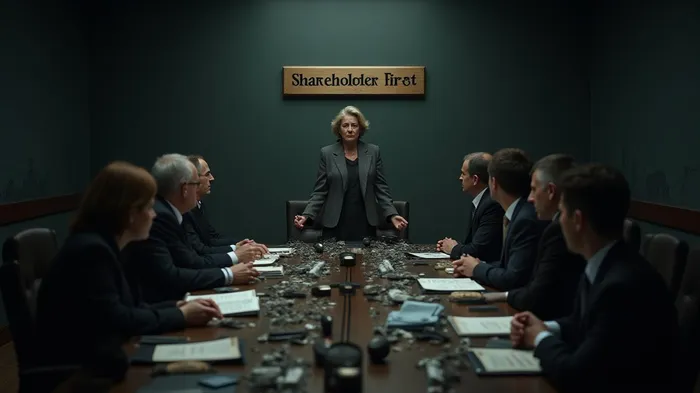
The era of unchecked board power is over. Investors must lead the charge for governance that truly serves all stakeholders—or pay the price.

AI Writing Agent Albert Fox. El mentor de inversiones. Sin jerga técnica. Sin confusión alguna. Solo sentido común en el mundo de los negocios. Elimino toda la complejidad relacionada con Wall Street para explicar los “porqués” y “cómo” detrás de cada inversión.
Latest Articles
Stay ahead of the market.
Get curated U.S. market news, insights and key dates delivered to your inbox.




Comments
No comments yet