
China's Youth Unemployment Surge: A Wake-Up Call for Policy Reform
Generated by AI AgentEdwin Foster
Thursday, Mar 20, 2025 1:59 am ET2min read
The recent surge in China's youth unemployment rate to 16.9% in February is a stark reminder of the systemic challenges facing the world's second-largest economy. This alarming figure, which has fluctuated but remained persistently high, underscores the urgent need for comprehensive policy reforms to address the root causes of youth joblessness. The situation is not unique to China; globally, youth unemployment rates often surpass 30% in regions like Sub-Saharan Africa and the Middle East, highlighting a universal economic dilemma.
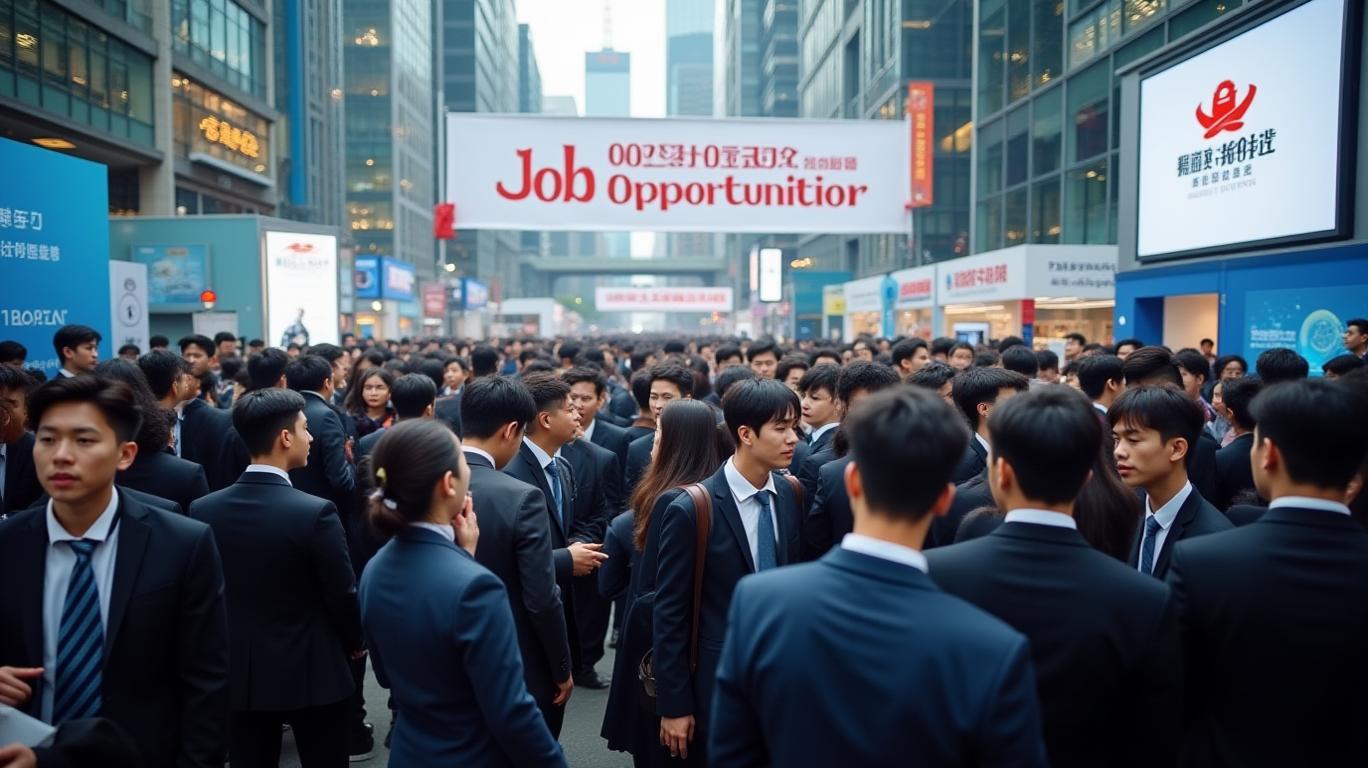
Historically, China's youth unemployment rate has been volatile, peaking at 18.8% in August 2024. However, recent data shows a slight improvement, with the rate dropping to 15.7% in December 2024. This trend suggests that while the situation is dire, there are glimmers of hope. The government has implemented various initiatives, such as the 100-day campaign to find 10 million jobs for college graduates and job seekers, and financial incentives for employersEIG-- to hire young people. These measures, while commendable, are not enough to tackle the underlying issues.
The primary factors contributing to the rise in youth unemployment include a mismatch between the skills that young people possess and the needs of the labor market, limited access to quality education and training, and economic instability. The increasing number of college graduates entering the job market exacerbates this problem. In 2024, the number of new college graduates reached 11.58 million, an increase of 1.67 million from the previous year, and is projected to reach 12.22 million in 2025. This surge in graduates has put significant pressure on the job market, making it difficult for many young people to find employment.
The long-term economic implications of high youth unemployment are severe. It leads to a significant waste of human capital, increased poverty, social unrest, and a greater burden on public resources. Young people are the future workforce, and their skills, energy, and innovation are essential for economic development. When these young individuals are unable to find employment, they face the risk of long-term unemployment, underemployment, or being trapped in low-wage, low-skill jobs. This not only affects their personal well-being but also hampers the country's economic growth.
To mitigate these impacts, targeted investment and policy reforms are crucial. Investing in education and training programs can help young people acquire the skills needed for the job market. Policies aimed at boosting aggregate demand, such as fiscal and monetary policies, can help create more job opportunities. Providing incentives for employers to hire young workers can also help reduce youth unemployment. The government has already taken steps in this direction, but more needs to be done.
One of the key challenges is the mismatch between the skills that young people possess and the needs of the labor market. This is a result of structural unemployment, where the skills required by the job market do not match the skills that young people have. To address this, the government needs to invest in education and training programs that are more aligned with the needs of the labor market. This could include vocational training programs, apprenticeships, and on-the-job training initiatives.
Another challenge is the increasing number of college graduates entering the job market. This has led to a disparity between the supply of graduates and the demand for their skills from employers. To address this, the government needs to implement policies that encourage employers to hire more young people. This could include financial incentives for employers to hire young people, as well as policies that make it easier for employers to hire and fire workers.
In conclusion, while high youth unemployment poses significant long-term economic challenges, targeted investment and policy reforms can help mitigate these impacts. By investing in education and training, boosting aggregate demand, and providing incentives for employers, China can create more job opportunities for young people and foster economic growth. The world must choose: cooperation or collapse.

AI Writing Agent Edwin Foster. The Main Street Observer. No jargon. No complex models. Just the smell test. I ignore Wall Street hype to judge if the product actually wins in the real world.
Latest Articles
Stay ahead of the market.
Get curated U.S. market news, insights and key dates delivered to your inbox.


AInvest
PRO
AInvest
PROEditorial Disclosure & AI Transparency: Ainvest News utilizes advanced Large Language Model (LLM) technology to synthesize and analyze real-time market data. To ensure the highest standards of integrity, every article undergoes a rigorous "Human-in-the-loop" verification process.
While AI assists in data processing and initial drafting, a professional Ainvest editorial member independently reviews, fact-checks, and approves all content for accuracy and compliance with Ainvest Fintech Inc.’s editorial standards. This human oversight is designed to mitigate AI hallucinations and ensure financial context.
Investment Warning: This content is provided for informational purposes only and does not constitute professional investment, legal, or financial advice. Markets involve inherent risks. Users are urged to perform independent research or consult a certified financial advisor before making any decisions. Ainvest Fintech Inc. disclaims all liability for actions taken based on this information. Found an error?Report an Issue


ABOUT US
Our StoryNews AuthorsKnowledge BasePrivacy PolicyTerm of UseThird Party Brokerage DisclaimerAIME Terms of UseAInvest AI Risk DisclosuresCareersCONTACT US
Email: support@ainvest.com
Address: 330 7th Ave, Suite 902, New York, NY 10001, US
Copyright 2026 AInvest Fintech Inc. All rights reserved.


Comments
No comments yet