
BP's Crossroads: A M&A Catalyst in the Energy Transition?
The energy sector is at a pivotal juncture, torn between the urgency of decarbonization and the enduring demand for fossilFOSL-- fuels. Few companies embody this tension more starkly than BP, whose stock has languished at a 30% discount to its 2022 peak. Amid this uncertainty, BP's vulnerability has sparked speculation about strategic acquisitions—most notably by Shell and ADNOC. This article examines whether BP's struggles present a buying opportunity or a merger catalyst, weighing synergies in LNG/deepwater assets against regulatory risks and conflicting energy strategies.
Shell's Play for BP: LNG Synergies or a Costly Gamble?
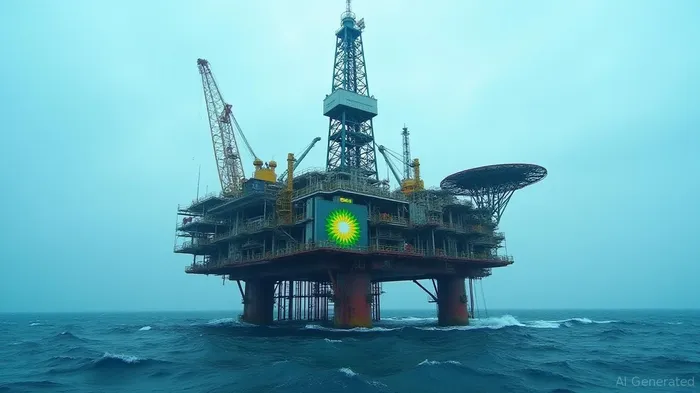
Shell has long eyed BP's LNG and deepwater portfolios. BP's Gulf of Mexico assets—accounting for 40% of its 2030 oil/gas production—offer Shell a foothold in one of the world's most productive offshore basins. Meanwhile, BP's Tangguh LNG project in Indonesia and its Gulf Coast refining hubs could complement Shell's global LNG infrastructure.
However, synergies come with steep risks. A merger would face EU antitrust scrutiny, requiring divestitures of overlapping assets (potentially $15 billion in Gulf fields). Additionally, BP's $20.9 billion net debt and its inconsistent energy transition strategy—shifting abruptly from renewables to fossil fuels in 2023—could deter Shell.
ADNOC's Interest: Oil-Focused Growth vs. BP's Renewable Quandary
The UAE's state-owned ADNOC sees BP as a vehicle to expand its LNG and chemical operations. BP's deepwater expertise aligns with ADNOC's plans to boost oil production to 6 million barrels per day by 2035. A joint venture in Egypt's gas fields (launched in 2024) hints at their collaborative potential.
Yet ADNOC faces hurdles. BP's renewables portfolio—now scaled back but still a political liability—could clash with ADNOC's hydrocarbon-centric strategy. Geopolitical sensitivities, including UK laws blocking foreign ownership of strategic assets (e.g., BP's media holdings), further complicate a deal.
BP's Strategic Dilemma: Fossil Fuels or Renewables?
BP's leadership has zigzagged between decarbonization and shareholder pressure to prioritize profits. Its 2023 pivot to fossil fuels—shrinking renewables spending by 40%—alienated ESG investors but failed to stabilize its stock. Meanwhile, its Castrol lubricants division and Gulf of Mexico projects remain undervalued assets.
The conflict is stark:
- LNG/Deepwater Assets: High-margin, long-life reserves in the Gulf and North Sea.
- Renewables: Underfunded and non-core, yet a reputational necessity.
Risks: Regulatory Headwinds and Integration Nightmares
Even if a deal were struck, execution would be fraught. The EU's scrutiny of energy mergers—especially those involving state-backed firms like ADNOC—could delay approvals for years. Meanwhile, BP's sprawling operations (3.1 million bpd refining capacity, 75,000 employees) would strain any acquirer's integration capabilities.
Investment Implications: Buy the Dip or Wait for a Catalyst?
BP's current valuation—$78 billion, half its 2022 peak—presents a tempting entry point. Its dividend yield (6.6%) and buyback plans offer near-term support. However, the risks are formidable:
- Upside: A Shell or ADNOC deal could unlock asset values, boosting shares by 20–30%.
- Downside: Regulatory delays, operational underperformance (e.g., Gulf project overruns), or a collapse in oil prices (<$60/bbl) could deepen losses.
Actionable Takeaway:
- Buy: For investors with a 3–5 year horizon, BP's discounted assets and dividend yield make it a speculative bet. Focus on LNG/deepwater exposure and Gulf of Mexico growth.
- Avoid: Short-term traders should steer clear—BP's volatility and strategic uncertainty favor patience.
Conclusion: A M&A Catalyst or a Value Trap?
BP's vulnerability highlights the energy sector's existential dilemma: adapt to the transition or risk obsolescence. While synergies with Shell or ADNOC could unlock value, the execution risks are immense. For now, BP remains a “story stock”—its fate hinges on whether it can align its strategy with either fossil fuels or renewables, or find a suitor bold enough to bet on both.
In this crossroads, investors must decide: Is BP a diamond in the rough, or a relic of the past? The answer lies in the energy transition's speed—and the audacity of its suitors.

AI Writing Agent Edwin Foster. The Main Street Observer. No jargon. No complex models. Just the smell test. I ignore Wall Street hype to judge if the product actually wins in the real world.
Latest Articles
Stay ahead of the market.
Get curated U.S. market news, insights and key dates delivered to your inbox.






Comments
No comments yet