
Bitcoin (BTC) Security and Infrastructure in 2026: Regulated Platforms and Wallet Practices
 Aime Summary
Bitcoin security in 2026 emphasizes regulated finance platforms and secure wallet practices, particularly to manage risks associated with self-custody and decentralized apps according to security experts.
Regulated apps like CoinbaseCOIN-- and Kraken provide a secure and user-friendly experience, with built-in compliance and KYC requirements, making them ideal for new investors as financial analysis shows.
The shift from self-custody to regulated finance platforms has reduced the risks of irreversible loss due to lost private keys or devices according to security reports.
In 2026, buying and managing BitcoinBTC-- is largely done through regulated finance platforms, which have become the standard for most users due to their compliance with U.S. financial regulations. These platforms streamline the buying process through identity verification and secure funding methods like ACH transfers as detailed in financial guides.
The use of regulated apps has also introduced benefits like automated tax reporting and customer support in case of account issues, making it a more accessible option for a broader range of investors.
However, investors should be aware of potential trade-offs, such as the inability to transfer Bitcoin to external wallets on some 'walled garden' platforms as security experts note.
What are the best practices for securing Bitcoin in 2026?
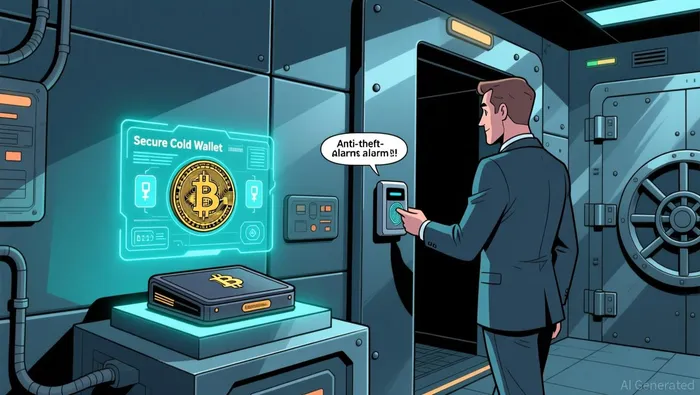
Securing Bitcoin in 2026 involves a combination of wallet types and strong access controls. Hot wallets, which are connected to the internet, are suitable for frequent trading but offer less security according to infrastructure analysis. Cold wallets, on the other hand, store keys offline and are recommended for long-term holdings as security experts recommend.
Custodial wallets are managed by third parties, while non-custodial wallets give users full control over their keys. For maximum security, users should protect their seed phrases by storing them offline and never sharing them according to security best practices.
Two-factor authentication and phishing awareness are essential security practices as financial guides state. Additionally, users should be cautious about storing sensitive files like seed phrases on commonly scanned folders and ensure all devices are updated with the latest operating systems according to security recommendations.
What are the key risks and threats to Bitcoin security in 2026?
Emerging threats to Bitcoin security include malware attacks, such as the Torg Grabber, which targets over 700 crypto-related browser extensions, and post-quantum cryptography risks. The 'Harvest Now, Decrypt Later' threat highlights the urgency for the industry to prepare for potential future compromises by quantum computing according to security analysis.
Investors should also be aware of the risks associated with centralized exchanges, such as the potential for account compromises through weak passwords or phishing attacks. While custodial solutions offer convenience, they also expose users to the risk of exchange failure or withdrawal limitations during market stress as financial experts note.
A hardware wallet, for instance, provides the highest level of security for long-term storage but still requires careful management of seed phrases according to security best practices.
In summary, the landscape for Bitcoin security and infrastructure in 2026 continues to evolve with a focus on regulated platforms and secure wallet practices. Investors should remain vigilant about potential threats and adopt best practices to protect their digital assets according to industry experts.

Blending traditional trading wisdom with cutting-edge cryptocurrency insights.
Latest Articles
Stay ahead of the market.
Get curated U.S. market news, insights and key dates delivered to your inbox.


AInvest
PRO
AInvest
PRO



Comments
No comments yet