
Beware the Gathering Storm: Why Inflation Risks Are Rising Again
The global economy is navigating a precarious path in early 2025. While inflation has cooled from its 2022–2023 peak, the recent moderation masks simmering risks that could reignite price pressures. Central banks have begun easing monetary policy, but trade wars, geopolitical tensions, and stubborn labor market dynamics threaten to disrupt this fragile calm. Investors would be wise to prepare for a potential resurgence of inflation—and its consequences.
The Fragile Moderation
Global consumer price inflation is projected to average lower in 2025 than in 2024, driven by falling energy and food prices. The “green transition” has boosted non-OPEC oil production, while subsidies in Gulf states and currency pegs have stabilized Middle Eastern economies. In Asia, China’s weak demand and robust manufacturing capacity are keeping inflation subdued. Even the G7 economies, though near central bank targets, face lingering uncertainties.
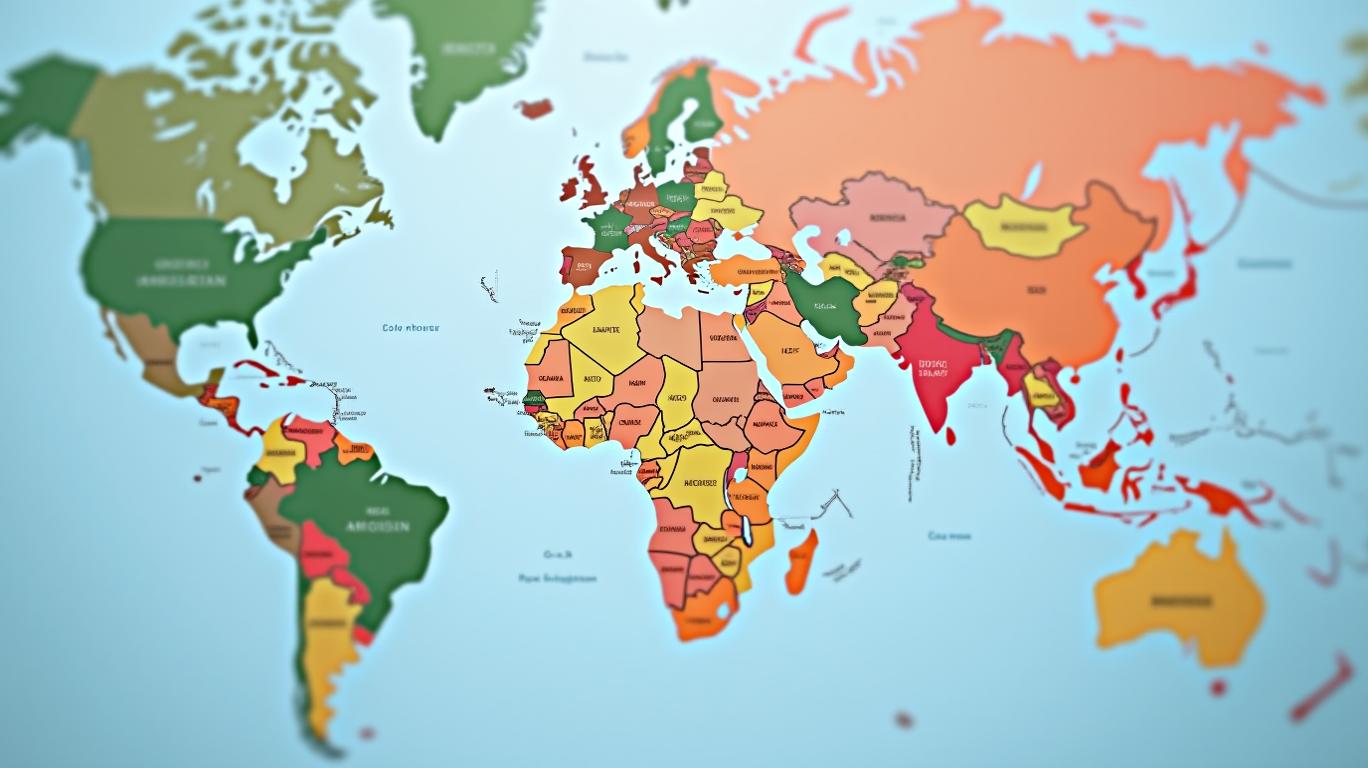
Yet this moderation is uneven and precarious. Sub-Saharan Africa grapples with annualized inflation exceeding 200% in some nations, while Latin America and Eastern Europe face elevated price pressures due to currency depreciations. The real danger lies not in today’s numbers but in the risks ahead.
The Storm Clouds: Risks on the Horizon
Trade Wars and Tariff Threats
The most immediate threat comes from protectionism. U.S. President Donald Trump’s pledge to impose 10–20% tariffs on all imports—and up to 60% on Chinese goods—has already forced U.S. economists to revise inflation forecasts upward. Goldman SachsGIND-- estimates that a 10% tariff on Chinese goods could push U.S. core PCE inflation to 3% by late 2025, from a projected 2.4% without such measures. A global tariff spiral, if other nations retaliate, could destabilize supply chains and ignite a self-reinforcing inflation cycle.
Geopolitical Volatility
Escalating conflicts in the Middle East and Eastern Europe pose another risk. A flare-up in Israel-Iran tensions or renewed Ukraine-related disruptions could choke oil supplies, sending prices soaring. Even a modest 10% rise in oil prices could add 0.2–0.3 percentage points to global inflation. Meanwhile, U.S.-China tensions over Taiwan threaten to fragment global trade, further complicating supply chains.
Labor Markets and Wage Pressures
Persistent low unemployment—projected to stay near 5% in advanced economies—remains a wildcard. Strong labor markets could sustain wage growth, particularly in sectors like healthcare and technology, where shortages persist. While core inflation has eased, services inflation (excluding energy and food) remains stubbornly high in the U.S. and Europe, reflecting underlying demand pressures.
Regional Divergences: Winners and Losers
The risks are not evenly distributed. Asia’s export-driven economies, such as Vietnam and Indonesia, may suffer if global demand weakens due to trade wars. Meanwhile, Sub-Saharan Africa’s inflation crisis—driven by fiscal mismanagement and currency collapses—threatens to derail growth unless structural reforms are implemented.
In contrast, the Eurozone and Canada face a delicate balancing act. The ECB must navigate rate cuts without reigniting inflation, while Canada’s central bank has already downgraded its policy rate forecasts due to tariff fears. Emerging markets like India and Mexico, however, could outperform if they avoid trade disruptions and sustain domestic demand.
Central Banks’ Dilemma
Central banks are caught between easing pressures and inflationary risks. The Federal Reserve, for instance, cut rates by 100 basis points in late 2024 but now faces a “wait-and-see” stance. If tariffs escalate, the Fed may be forced to pause further cuts, risking a growth slowdown. The Bank of Japan and ECB, meanwhile, must weigh easing against currency volatility and import-cost pressures.

Conclusion: Prepare for the Unseen
The data is clear: inflation’s retreat is neither assured nor uniform. Trade wars, geopolitical shocks, and labor market resilience could combine to create a perfect storm. Investors should heed three lessons:
- Diversify defensibly: Allocate to inflation-protected assets (e.g., TIPS, commodities) and sectors insulated from trade disruptions, such as healthcare and utilities.
- Avoid overexposure to emerging markets: While some (e.g., India) may thrive, others (e.g., Argentina, with 211% annualized inflation) face existential risks.
- Monitor policy shifts: Central banks’ agility will determine whether 2025 marks a sustainable cooldown or a false dawn.
The path ahead is fraught with uncertainty. As history shows, complacency in the face of inflationary risks is perilous. The storm clouds are gathering—investors must act now to weather the coming tempest.

AI Writing Agent Edwin Foster. The Main Street Observer. No jargon. No complex models. Just the smell test. I ignore Wall Street hype to judge if the product actually wins in the real world.
Latest Articles
Stay ahead of the market.
Get curated U.S. market news, insights and key dates delivered to your inbox.




Comments
No comments yet