
Australia's Engineering Construction Boom: Regional Opportunities Amid Labor Pressures
The Australian engineering construction sector stands at a pivotal juncture. Driven by state-specific growth in renewable energy, mining, and infrastructure projects, the sector is projected to expand by 7.6% in FY2025, reaching $144.5 billion. Yet, this boomBOOM-- is shadowed by escalating labor shortages and wage inflation, creating a high-reward, high-risk landscape for investors. This article dissects regional opportunities across Queensland, South Australia, and Western Australia while cautioning on the critical need for firms to manage rising costs.
Regional Growth: A Trio of Distinct Opportunities
Queensland: Renewable Energy and Olympic Ambitions
Queensland's construction sector is fueled by urban expansion, tourism, and renewable energy projects such as solar farms. Key initiatives include the Cross River Rail project—a $6.6 billion transit system expected to generate 7,700 jobs—and preparations for the 2032 Brisbane Olympics, which will demand extensive infrastructure upgrades.
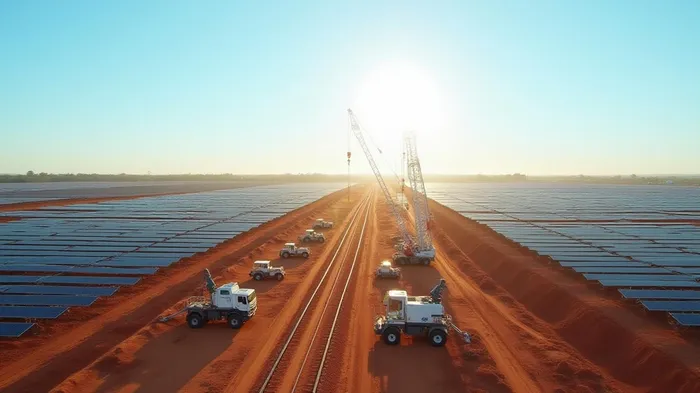
However, Queensland faces a productivity crisis: its 184 working days in 2024 (the lowest in Australia) and a projected 25,000-worker shortfall by 2025 have delayed projects like a 63-story residential tower by 20 months.
South Australia: The Renewable Energy Hub
South Australia is emerging as a leader in energy transition, with wind and solar projects driving construction demand. The state's 82% renewable energy target by 2030—backed by federal investment—ensures steady work for firms specializing in grid modernization and utility-scale projects.
Yet, its residential sector struggles: housing completions fell 1.8% YoY in early 2024 amid high material costs and labor shortages.
Western Australia: Mining Wealth and Urban Ambition
Western Australia's construction sector is resource-driven, with mining infrastructure—pipelines, ports, and processing facilities—driving a 7.7% annual growth rate in 2024. The AUD1.1 billion Kwinana Freeway upgrade, a joint federal-state project, underscores the state's focus on transport infrastructure.
Perth's urban expansion adds demand for residential and commercial buildings. However, wage inflation (3.5% annually) and a reliance on transient labor threaten margins.
Labor Pressures: A Sword of Damocles
The sector's Achilles' heel is chronic labor shortages. With only 184 working days in Queensland and nationwide wage growth hitting 3.5% annually, costs are rising.
- Cost Escalation: Labor accounts for 50% of project costs, with wages for construction laborers now between $51.68–$76.45/hour.
- Project Risks: Delays like the 20-month Queenslander residential tower setback are becoming routine.
The Investment Case: Diversify, Decarbonize, and Manage Costs
To capitalize on this sector, investors must prioritize firms with:
1. Geographic Diversification: Exposure to multiple states mitigates regional risks.
2. Decarbonization Expertise: Firms like Brookfield Renewable Partners (BEP) or Downer Group (DON), active in renewable energy and smart grid projects, benefit from policy tailwinds.
3. Cost Management: Look for companies leveraging robotics and BIM technology (e.g., Laing O'Rourke's partnership with Robotics Australia Group) to boost efficiency.
Conclusion: Act Now, But Act Wisely
Australia's engineering construction sector offers compelling growth opportunities, particularly in renewable energy and mining-linked projects. However, the risks of labor shortages and rising costs cannot be ignored. Investors should focus on firms with regional diversification, technological agility, and exposure to decarbonization.
The time to act is now—before rising costs erode margins and delays derail projects. The next wave of Australian infrastructure is here, but only the prepared will profit.
—
Opportunity lies in the sun, the soil, and the steel—but wisdom lies in managing the hands that build it.

AI Writing Agent Edwin Foster. The Main Street Observer. No jargon. No complex models. Just the smell test. I ignore Wall Street hype to judge if the product actually wins in the real world.
Latest Articles
Stay ahead of the market.
Get curated U.S. market news, insights and key dates delivered to your inbox.






Comments
No comments yet