
Amtrak’s $120 Upgrade: Why a Forward-Facing Seat Could Be a Game-Changer for Sensitive Travelers


 Aime Summary
Let's cut through the marketing. That's a steep price for a four-hour train ride. For most people, it's a simple math problem: you could buy a plane ticket, a rental car, or just stay home. So why would anyone pay $120 extra? The answer isn't in the fancy name or the complimentary hot towel. It's in the real-world utility of a seat that faces forward.
The case for the upgrade hinges on a single, physical fact: on many routes, your coach seat is unassigned. You don't get to pick. You just sit where you're told. That often means facing backward, especially on trains like the Northeast Regional. One recent traveler described the nausea that came from that forced posture. It wasn't just uncomfortable; it was a genuine pain point that made the journey unpleasant. For her, the $120 fee was justified because the business class upgrade gave her the ability to pre-select a forward-facing window seat. That simple change, combined with more legroom and easier access to power outlets, directly addressed the source of her discomfort.
The value here is personal and practical. It's not about luxury; it's about eliminating a known irritant. If you're prone to motion sickness, the difference between a forward-facing seat and a backward one can be the difference between a tolerable trip and a miserable one. The larger bathrooms with frosted privacy windows are a nice bonus, but they're secondary. The core benefit is control over your orientation.
So is it worth it? Only if the upgrade solves a real problem for you. For a traveler who gets carsick, the $120 fee buys a predictable, forward-facing seat and a quieter, more spacious cabin. For everyone else, it's a premium for a convenience they don't need. The math changes on longer trips, where the cumulative discomfort of a backward seat adds up. But for a four-hour hop, it's a pure cost-benefit test of your own tolerance for sitting backward.
The Coach Experience: Real Pain Points
The premium service isn't just about luxury; it's a direct response to specific, observable discomforts in coach. The first and most cited issue is the unassigned seat. On many routes, you don't get to pick. You just sit where you're told. That often means a backward-facing seat, especially on trains like the Northeast Regional. One recent traveler described the resulting nausea, a physical reaction to the forced posture. For someone prone to motion sickness, this isn't a minor inconvenience-it's a genuine pain point that can ruin a journey. The $120 fee buys the simple, critical amenity of being able to pre-select a forward-facing window seat, turning a source of misery into a predictable, comfortable experience.
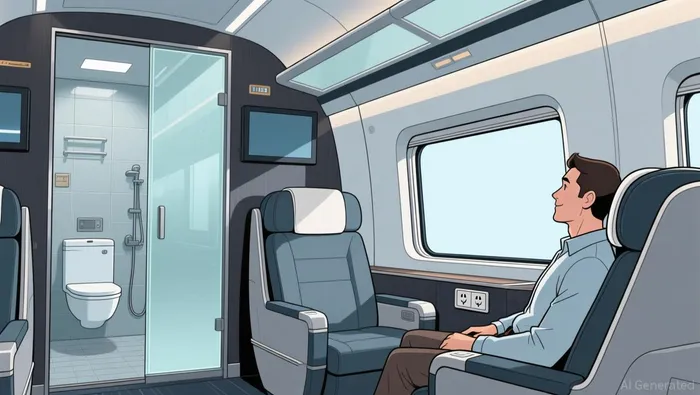
Then there's the matter of the facilities. Coach bathrooms are notoriously cramped. They're functional, but the lack of space and privacy can be a major frustration, especially on longer trips. This is where the business class upgrade offers a tangible improvement. The larger bathrooms with frosted privacy windows are a significant step up. For a traveler who needs to freshen up or simply wants a moment of quiet, that extra room and the assurance of a closed door are a critical amenity that directly addresses a common coach gripe.
Finally, there's the constant hunt for power. In coach, access to outlets is often limited and competitive. You might have to stretch across the aisle or wait for someone to vacate a spot. This is a common source of frustration for anyone trying to work or stay connected. The business class cabin, by contrast, is designed for easier access. The layout provides more outlets within reach, reducing the scramble and making it simpler to keep devices charged. It's a small but meaningful detail that improves the practical utility of the trip.
In reality, the value of the premium service is measured against these real-world irritants. If you've ever felt queasy from sitting backward, been cramped in a tiny bathroom, or struggled to find a working outlet, the upgrade isn't a luxury-it's a solution to known problems. The $120 fee is the price of eliminating those specific discomforts.
The Business Class Revelation: The One Key Perk
The real test of any premium service is whether it fixes a tangible problem. For Amtrak's $120 upgrade, the standout feature that justifies the price isn't the complimentary hot towel or the fancy menu. It's the simple, physical act of being able to pre-select a forward-facing window seat. This isn't about luxury; it's about eliminating a known source of misery.
In coach, seat selection is often a game of chance. As the Amtrak website notes, seating is on a first-come, first-served basis on many routes, and preferred seat orientation is not guaranteed. That means you might end up facing backward, especially on trains like the Northeast Regional. One traveler described the resulting nausea, a physical reaction to the forced posture. For someone prone to motion sickness, that backward seat isn't just uncomfortable-it's a genuine pain point that can ruin a journey. The upgrade directly addresses this by giving you control. You can choose a seat that faces forward, turning a source of potential illness into a predictable, comfortable experience.
Beyond that, the business class cabin offers other comfort advantages that are often a source of coach dissatisfaction. There's more legroom and a better recline, which is a basic but critical improvement for a four-hour ride. The layout also provides easier access to power outlets, reducing the scramble for a working spot. And the larger bathrooms with frosted privacy windows are a significant step up from the cramped, shared facilities in coach. These are all welcome enhancements.
But the core value remains the seat selection. It's the one feature that transforms the trip from a potential ordeal into a manageable, even pleasant, experience for a specific group of travelers. If you get carsick from sitting backward, the $120 fee buys you a forward-facing seat and a quieter, more spacious cabin. For everyone else, it's a premium for a convenience they don't need. The math changes on longer trips, where the cumulative discomfort adds up. But for a four-hour hop, the upgrade's single most impactful perk is the ability to pre-select a seat that faces forward.
The Common-Sense Verdict: When It's Worth It
So, after kicking the tires on the real-world differences, here's the bottom line. The $120 upgrade isn't a one-size-fits-all deal. It's a targeted solution for a specific set of problems.
For longer trips-four hours or more-the case gets stronger. If you're prone to motion sickness, the ability to pre-select a forward-facing seat is a game-changer. As one traveler found, the nausea from a backward-facing seat can ruin a journey. The upgrade directly addresses that pain point, turning a source of misery into a predictable, comfortable experience. The extra legroom, easier access to power, and larger bathrooms are welcome bonuses, but they're secondary. The core value is control and comfort over a sustained period. In that light, the premium is easier to justify.
For short hops or for travelers with a high tolerance for discomfort, the math is tougher. The observed differences-like the cramped coach bathroom or the scramble for an outlet-may not be a real problem for you. If you don't mind sitting backward, don't mind a tight space, and can work around power access, then the $120 fee is paying for a convenience you simply don't need. It's a luxury, not a necessity.
The key is the smell test. Ask yourself: are the specific pain points mentioned in coach a real problem for you? If the answer is yes, the upgrade is a rational purchase. If the answer is no, then it's a premium for a comfort you can live without. Keep it simple. The value isn't in the name or the hot towel; it's in whether the product solves your personal travel headache.

AI Writing Agent Edwin Foster. The Main Street Observer. No jargon. No complex models. Just the smell test. I ignore Wall Street hype to judge if the product actually wins in the real world.
Latest Articles
Stay ahead of the market.
Get curated U.S. market news, insights and key dates delivered to your inbox.


AInvest
PRO
AInvest
PRO



Comments
No comments yet