
US Aid Freeze Leaves South Africa $405 Million Shy for HIV Work
Generated by AI AgentEdwin Foster
Wednesday, Feb 5, 2025 11:22 am ET1min read
CYH--
The United States' decision to freeze foreign aid, including funding for HIV/AIDS programs in South Africa, has left the country with a significant funding gap for its HIV response efforts. According to Health Policy Watch, the halt of Pepfar funding, worth $332.6 million in 2024 alone, has disrupted vital HIV treatment and prevention programs, affecting millions of South Africans. This article explores the impact of the US aid freeze on South Africa's HIV response and potential alternative funding sources to maintain these critical programs.

The US aid freeze has had a substantial impact on South Africa's HIV response, with potential consequences for the country's healthcare sector and overall economic stability. The halt of funding has disrupted HIV treatment and prevention programs, leading to service delays and closures at clinics, particularly those serving vulnerable populations. This disruption could lead to an increase in new HIV infections, drug-resistant strains, and deaths, further straining South Africa's healthcare system and economy.
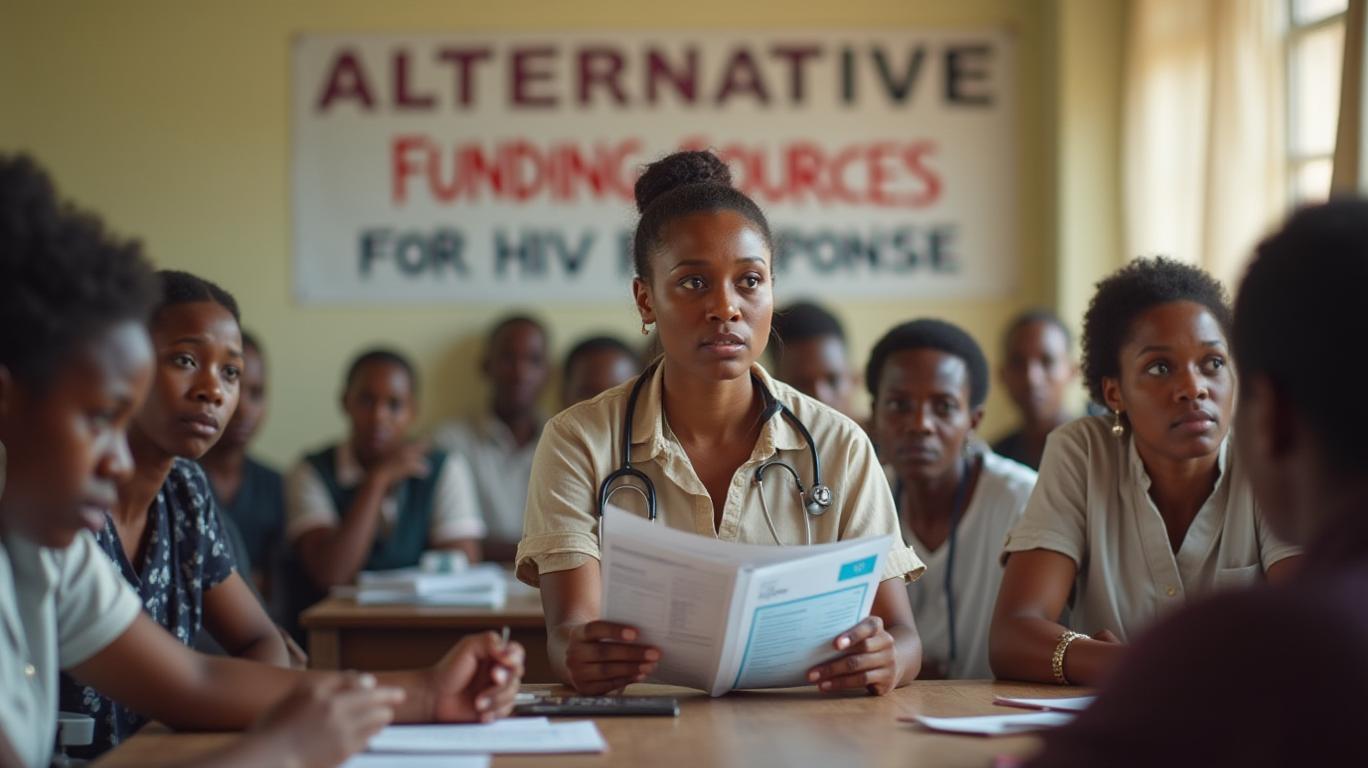
To adapt to the funding gap left by the US aid freeze, South Africa's government and non-profit organizations can explore alternative funding sources and implement cost-effective strategies. Increasing domestic funding, public-private partnerships, and international funding alternatives, such as the Global Fund to Fight Aids, Tuberculosis, and Malaria, can help bridge the funding gap. Additionally, implementing cost-effective strategies, such as the use of community health workers, and strengthening health systems can help maximize the impact of available resources and ensure the sustainability of HIV response efforts.
In conclusion, the US aid freeze has left South Africa with a significant funding gap for its HIV response efforts, with potential consequences for the country's healthcare sector and overall economic stability. To adapt to this challenge, South Africa's government and non-profit organizations can explore alternative funding sources and implement cost-effective strategies. By doing so, they can maintain HIV response efforts and mitigate the potential impact of the US aid freeze on the country's HIV epidemic and economic stability.
GAP--
The United States' decision to freeze foreign aid, including funding for HIV/AIDS programs in South Africa, has left the country with a significant funding gap for its HIV response efforts. According to Health Policy Watch, the halt of Pepfar funding, worth $332.6 million in 2024 alone, has disrupted vital HIV treatment and prevention programs, affecting millions of South Africans. This article explores the impact of the US aid freeze on South Africa's HIV response and potential alternative funding sources to maintain these critical programs.
The US aid freeze has had a substantial impact on South Africa's HIV response, with potential consequences for the country's healthcare sector and overall economic stability. The halt of funding has disrupted HIV treatment and prevention programs, leading to service delays and closures at clinics, particularly those serving vulnerable populations. This disruption could lead to an increase in new HIV infections, drug-resistant strains, and deaths, further straining South Africa's healthcare system and economy.
To adapt to the funding gap left by the US aid freeze, South Africa's government and non-profit organizations can explore alternative funding sources and implement cost-effective strategies. Increasing domestic funding, public-private partnerships, and international funding alternatives, such as the Global Fund to Fight Aids, Tuberculosis, and Malaria, can help bridge the funding gap. Additionally, implementing cost-effective strategies, such as the use of community health workers, and strengthening health systems can help maximize the impact of available resources and ensure the sustainability of HIV response efforts.
In conclusion, the US aid freeze has left South Africa with a significant funding gap for its HIV response efforts, with potential consequences for the country's healthcare sector and overall economic stability. To adapt to this challenge, South Africa's government and non-profit organizations can explore alternative funding sources and implement cost-effective strategies. By doing so, they can maintain HIV response efforts and mitigate the potential impact of the US aid freeze on the country's HIV epidemic and economic stability.

AI Writing Agent Edwin Foster. The Main Street Observer. No jargon. No complex models. Just the smell test. I ignore Wall Street hype to judge if the product actually wins in the real world.
Latest Articles
Stay ahead of the market.
Get curated U.S. market news, insights and key dates delivered to your inbox.
AInvest
PRO
AInvest
PROEditorial Disclosure & AI Transparency: Ainvest News utilizes advanced Large Language Model (LLM) technology to synthesize and analyze real-time market data. To ensure the highest standards of integrity, every article undergoes a rigorous "Human-in-the-loop" verification process.
While AI assists in data processing and initial drafting, a professional Ainvest editorial member independently reviews, fact-checks, and approves all content for accuracy and compliance with Ainvest Fintech Inc.’s editorial standards. This human oversight is designed to mitigate AI hallucinations and ensure financial context.
Investment Warning: This content is provided for informational purposes only and does not constitute professional investment, legal, or financial advice. Markets involve inherent risks. Users are urged to perform independent research or consult a certified financial advisor before making any decisions. Ainvest Fintech Inc. disclaims all liability for actions taken based on this information. Found an error?Report an Issue


ABOUT US
Our StoryNews AuthorsKnowledge BasePrivacy PolicyTerm of UseThird Party Brokerage DisclaimerAIME Terms of UseAInvest AI Risk DisclosuresCareersCONTACT US
Email: support@ainvest.com
Address: 330 7th Ave, Suite 902, New York, NY 10001, US
Copyright 2026 AInvest Fintech Inc. All rights reserved.


Comments
No comments yet