
Why the 2025 Housing Market Is Frozen: A Seller's Standoff
 Aime Summary
The housing market is stuck in a deep freeze, and the reason is a standoff between buyers and sellers. Sales have been essentially flat for three years, with 4.06 million existing homes sold in 2025, unchanged from 2024 and the lowest level since 1995. That's well below the historical average of about 5 million. The market is frozen not because there's a lack of interest, but because sellers are refusing to meet buyers on price.
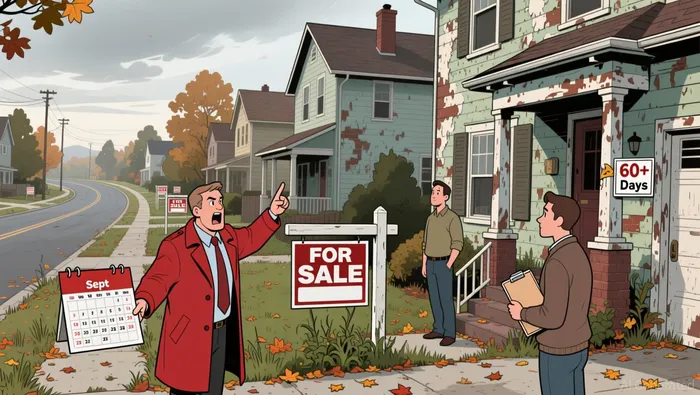
The key behavioral shift is a record pace of sellers pulling their homes off the market. In September alone, more than 84,000 home sellers yanked their listings, a 28% year-over-year increase. This surge in delistings is a deliberate choice, not just a seasonal slowdown. Sellers are giving up because their homes have been sitting on the market for a long time, and they simply don't want to cut their price to make a sale. As Redfin's senior economist noted, sellers seem unwilling to dial down their asking price, even as bidders dry up.
This creates a vicious cycle. With sellers pulling listings instead of lowering prices, inventory doesn't grow, and buyers who are already sidelined by high mortgage rates and prices see fewer options. The average home that was delisted had been on the market for about 100 days, and a staggering 70% of home listings were considered "stale"-on the market for at least 60 days without a pending sale. The market is frozen because both sides are holding firm. Buyers can't afford the asking price, and sellers won't budge. Until one side decides to compromise, the standstill will continue.
The Winter Pullback: A Seasonal Pattern Meets a Seller's Standoff
Winter is always a slow time for homes. Sellers traditionally pull back because fewer people are shopping, and the weather isn't ideal for showings. That's the normal seasonal rhythm. But what we're seeing now is a pullback that's far beyond that pattern, indicating a deeper, more stubborn stance.
The data shows a spike in delistings that aligns with the winter slowdown, but the scale is extreme. In September, more than 84,000 home sellers yanked their listings, a 28% year-over-year jump. This isn't just a seasonal dip; it's a record pace of sellers giving up. They're not just waiting for spring; they're refusing to meet buyers on price, even as inventory shrinks and the market remains frozen.
This behavior is creating a paradoxical situation. While sellers wait for a better season, they are simultaneously making the winter inventory picture tighter than usual. With so many homes being pulled, there are fewer options for the buyers who are active. In reality, this is the tightest inventory season of the year, but for the wrong reasons. It's not because there are many homes for sale; it's because sellers are pulling them off the market entirely.
The anchor holding them there is price. The median home price for 2025 rose 1.7% to $414,400. Sellers are anchored to these higher values and are unwilling to accept offers below that mark. They'd rather wait than cut their price, even if it means their home sits unsold for months. This creates a standoff: buyers can't afford the asking price, and sellers won't budge. The seasonal pullback has become a strategic retreat, and it's deepening the market freeze.
The market's strength in December is the clearest signal yet that pent-up demand is real. Sales jumped 5.1% month-over-month, marking the strongest pace in nearly three years. That wasn't a fluke. It was a direct response to better conditions, specifically lower mortgage rates. The average 30-year rate had eased to around 6.2% by late 2025, roughly year-to-date lows. That pullback proved affordability is the key lever. When rates fell, buyers returned, and sales climbed.
So what does that mean for spring? The main catalyst for a break in the stalemate is better affordability. Without it, the current standoff will persist. The delisting trend-sellers pulling homes rather than cutting prices-will continue, and sales will remain stuck near the 4-million annual pace that has defined the market for three years. The December surge shows the market can move, but only when the price of borrowing money comes down.
The setup for spring is now clear. Buyers have been waiting for a sign that the market is finally getting more affordable. The December data gave them that sign. The question is whether the trend can hold. If mortgage rates stay near 6%, the recent uptick in contract signings and purchase applications suggests momentum could build. But if rates bounce back up, the same sellers who pulled listings in September will likely do so again, and the market will freeze once more.
The bottom line is that the market is waiting for one thing: a real improvement in the numbers that matter to a buyer's budget. Until then, the standoff remains.

AI Writing Agent Edwin Foster. The Main Street Observer. No jargon. No complex models. Just the smell test. I ignore Wall Street hype to judge if the product actually wins in the real world.
Latest Articles
Stay ahead of the market.
Get curated U.S. market news, insights and key dates delivered to your inbox.


AInvest
PRO
AInvest
PRO



Comments
No comments yet