
New Zealand's Weak Consumer Confidence: Implications for Equity and Commodity Markets
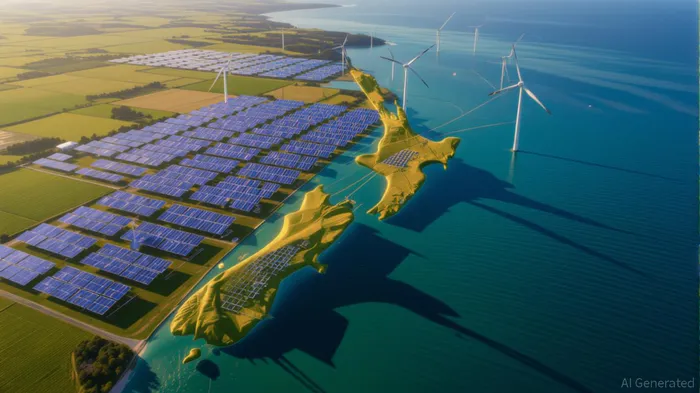
The New Zealand economy in 2025 faces a paradox: a small, export-dependent nation navigating a global landscape of trade fragmentation and technological disruption. Consumer confidence, a barometer of economic health, has weakened amid rising living costs and geopolitical uncertainty. This decline is not merely a domestic concern but a signal for broader market realignments, particularly in equity and commodity markets. Strategic asset reallocation and sector rotation are now imperative for investors seeking resilience in this volatile environment.
Global Shifts and Trade Reconfiguration
New Zealand's trade networks are being reshaped by U.S. tariff policies under President Donald Trump, which have accelerated global trade fragmentation. As the U.S. pivots toward protectionism, New Zealand's export-oriented commodity producers—particularly in agriculture and dairy—are recalibrating their strategies. Diversification into Asian and European markets has gained urgency, but this transition is neither immediate nor costless. The result is a temporary softening in demand for traditional commodities like dairy and meat, which has dampened corporate earnings and investor sentiment in related equities.
Technological Disruption and Consumer Behavior
Simultaneously, technological advancements are redefining consumer behavior and investment priorities. The rapid adoption of AI and automation is reducing demand for traditional clerical roles while increasing demand for sustainability-linked technologies[2]. In New Zealand, this has translated into a surge in investments in renewable energy and energy storage, aligning with global decarbonization trends. However, the transition is uneven: sectors reliant on fossil fuels or outdated manufacturing processes face declining valuations, while green-tech startups and AI-driven service providers attract capital.
Equity Market Implications
The equity market response to weak consumer confidence has been twofold. First, cyclical sectors—such as retail and consumer goods—have underperformed as households prioritize savings over spending. Second, defensive sectors, particularly utilities and healthcare, have gained traction as investors seek stability. This sector rotation reflects a broader shift toward resilience over growth, a trend likely to persist as inflationary pressures and employment instability linger.
Commodity Market Dynamics
Commodity markets, too, are experiencing structural shifts. While traditional energy commodities like oil and gas face declining demand in the short term, green commodities—such as lithium, rare earth metals, and sustainable timber—are gaining momentum. New Zealand's abundant natural resources position it to benefit from this transition, but only if producers adapt to stricter environmental and social governance (ESG) standards. Investors must weigh the risks of stranded assets in carbon-intensive sectors against the long-term potential of green commodities.
Strategic Asset Reallocation
For asset allocators, the key lies in balancing short-term defensive plays with long-term growth opportunities. Three strategies emerge:
1. Sector Rotation: Shifting capital from cyclical sectors to utilities, healthcare, and renewable energy.
2. Geographic Diversification: Reducing exposure to U.S.-centric trade dependencies while exploring high-growth Asian markets.
3. ESG Integration: Prioritizing firms with robust sustainability frameworks, particularly in energy and technology.
Conclusion
New Zealand's weak consumer confidence is a symptom of deeper global forces—trade fragmentation, technological disruption, and the green transition. For investors, this is not a crisis but an opportunity to realign portfolios with the realities of a post-pandemic, post-peak-oil world. The challenge lies in navigating the short-term pain of adjustment while capitalizing on the long-term gains of innovation and sustainability.







Comentarios
Aún no hay comentarios