
West Virginia's Green Steel Gambit: A $150M Bond Play for Sustainable Infrastructure
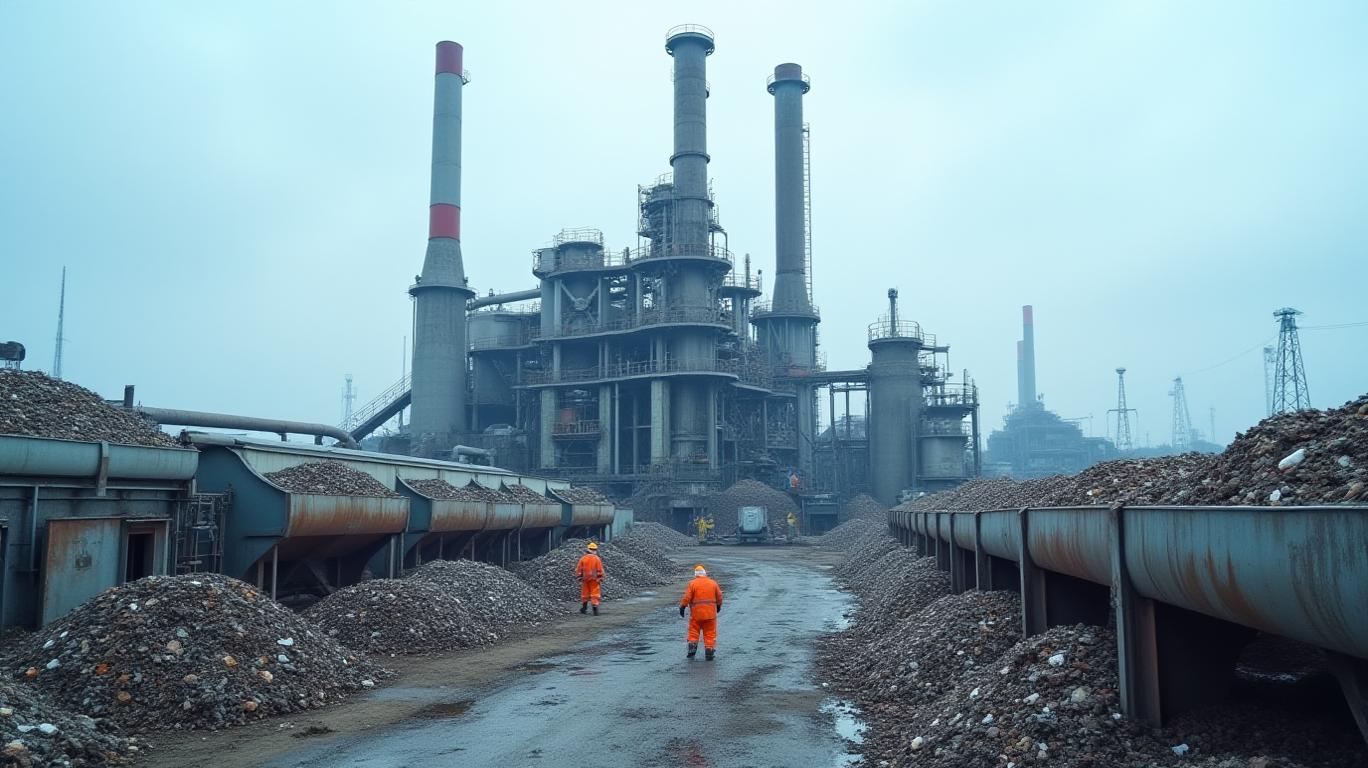
West Virginia’s recent $150 million bond issuance for a recycled materials steel mill represents a bold pivot toward environmental infrastructure—a move that could redefine the state’s economic and ecological future. The bonds, structured through the West Virginia Economic Development Authority (WVEDA) to finance a Commercial Metals CompanyCMC-- (CMC) project, aim to build a state-of-the-art solid waste disposal facility in Berkeley County. This facility will process materials for CMC’s steel production, leveraging recycled inputs to reduce carbon footprints. Yet, the deal’s success hinges on navigating regulatory risks, market volatility, and the reliability of federal tax incentives.
The Deal’s Architecture
The bonds are tax-exempt Solid Waste Disposal Facility Revenue Bonds, a structure designed to attract institutional investors seeking tax advantages. The $150 million offering forms part of a broader $550–$600 million project, with $75 million in state assistance and an estimated $80 million federal tax credit under the Inflation Reduction Act. This blended financing model highlights the growing role of public-private partnerships in green infrastructure.
The bonds are unsecured obligations of CMC, meaning repayment depends entirely on the company’s creditworthiness. While this introduces counterparty risk, CMC’s long-standing presence in the metals sector (founded in 1905) and its recent focus on sustainability initiatives provide a degree of stability. The WVEDA’s role as a conduit issuer adds a layer of credibility, though it does not guarantee repayment.
Risks and Opportunities
The project’s success is tied to several variables:
1. Regulatory Compliance: The facility must adhere to stringent environmental standards, particularly as it processes waste materials for steel production. Delays in permits or unexpected regulatory hurdles could strain cash flows.
2. Market Demand: Steel prices are cyclical, and a downturn in construction or manufacturing could reduce demand for CMC’s products.
3. Tax Credit Certainty: The $80 million Inflation Reduction Act tax credit assumes stable federal policy. A shift in administration or legislative changes could undermine this financial anchor.
A Look at the Numbers
The bond’s tax-exempt status offers investors a compelling yield advantage. For a taxpayer in the 22% federal bracket, a 4% yield on a taxable bond would need to surpass ~5% to match the post-tax return of a tax-exempt bond at the same rate. This makes the offering attractive for municipal bond funds and high-net-worth individuals.
However, the unsecured nature of the debt means credit risk is front and center. CMC’s current debt-to-equity ratio stands at 1.5x, slightly elevated for the sector, but manageable given its steady cash flows.
The Broader Economic Narrative
West Virginia’s move reflects a broader trend: states are increasingly using bond markets to fund climate resilience projects. The $75 million in state assistance underscores policymakers’ willingness to back infrastructure that aligns with environmental goals. For investors, this bond offers exposure to a sector critical to decarbonizing heavy industry—a theme likely to gain traction as global net-zero targets take effect.
Conclusion: A Calculated Gamble
The $150 million bond issuance is a high-risk, high-reward proposition. On one hand, it capitalizes on CMC’s expertise and federal incentives, positioning the project at the intersection of infrastructure and sustainability. The tax-exempt structure and WVEDA’s involvement mitigate some risks, while the facility’s potential to reduce reliance on virgin materials aligns with long-term environmental trends.
Yet, the absence of bond guarantees and exposure to volatile steel markets introduces uncertainty. Investors must weigh CMC’s financial health—its 2023 EBITDA margins of 18% suggest resilience—against macroeconomic headwinds like rising interest rates and potential regulatory shifts.
In sum, this bond is a microcosm of the green infrastructure boom: promising but precarious. For those willing to bet on West Virginia’s pivot from coal to recycled steel, the rewards could be substantial—but the path ahead remains fraught with potholes.





Comentarios
Aún no hay comentarios