
Warner Bros. Discovery's Strategic Move to Reject Paramount's Bid in Favor of Netflix: Evaluating Financial and Strategic Implications for Investors
Warner Bros. Discovery (WBD) has made a pivotal decision in the ongoing battle for dominance in the streaming and media sectors, rejecting a $108.4 billion hostile takeover bid from Paramount Global in favor of a $82.7 billion deal with NetflixNFLX--. This move, announced in late 2025, has sent ripples through the industry, reshaping competitive dynamics and raising critical questions for investors. By acquiring WBD's studio and streaming assets-including iconic franchises like Harry Potter, Friends, and HBO-Netflix aims to consolidate its position as the leading global streaming platform. However, the deal's success hinges on navigating regulatory scrutiny, managing debt, and addressing antitrust concerns.
Strategic Implications: A Streaming Powerhouse Emerges
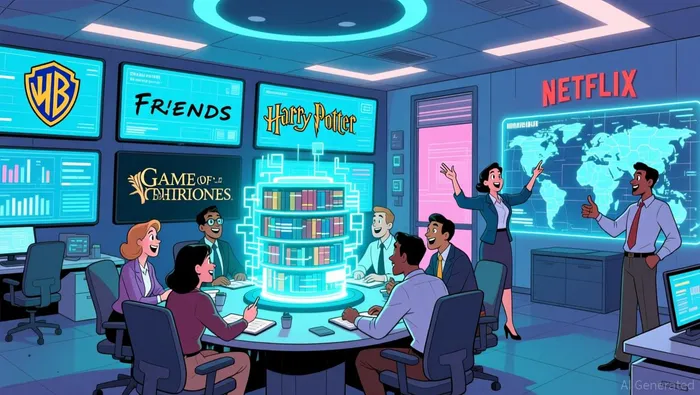 The acquisition of WBD's assets represents a strategic leap for Netflix, granting access to a vast content library of 145,000 hours and high-value intellectual property (IP) such as DC Comics and Game of Thrones. This move positions Netflix to dominate the next phase of content competition, particularly as AI-generated content proliferates, making proven IP increasingly valuable. By integrating WBD's production infrastructure, Netflix transitions from a content aggregator to a content powerhouse, enhancing its ability to compete with rivals like Disney and Amazon.
The deal also strengthens Netflix's subscriber base, adding 128 million streaming users from WBD's portfolio. Combined with Netflix's existing 300 million subscribers, the merged entity would command a 35% share of U.S. streaming hours, surpassing the 30% antitrust threshold that historically raises regulatory red flags. This dominance could allow Netflix to dictate pricing terms for advertisers, potentially reversing downward trends in streaming ad rates. However, critics argue that such consolidation risks stifling competition and reducing consumer choice, a concern echoed by Disney CEO Bob Iger, who has warned of broader negative impacts on the creative ecosystem.
Financial Projections and Debt Sustainability
The acquisition is financed through $59 billion in temporary debt, with plans to refinance via bonds and term loans. This will elevate Netflix's net debt to approximately $75 billion, pushing its leverage ratio to 3.7 times 2026 EBITDA of $20.4 billion. While this level of debt is concerning, analysts project that EBITDA growth will reduce leverage to a sustainable mid-2x range by 2027. Moody's has affirmed Netflix's A3 credit rating, citing its strong operating performance and capacity to deleverage through rising revenue and free cash flow.
The deal is expected to generate $2–$3 billion in annual cost savings by the third year and become accretive to Netflix's GAAP earnings per share by year two. For WBDWBD-- shareholders, the offer of $23.25 in cash and $4.50 in Netflix stock per share, with a collar mechanism to stabilize value, provides a compelling exit. However, the stock component's volatility introduces uncertainty, particularly if Netflix's share price dips below the collar's floor.
Regulatory and Competitive Risks
The deal faces significant regulatory hurdles, with U.S. President Donald Trump and other critics raising antitrust concerns. The core issue lies in defining the "relevant market"-if it is limited to U.S. streaming services, the combined entity's 35% market share could trigger investigations. Netflix has retained antitrust attorney Steven Sunshine to navigate these challenges, but approval is far from guaranteed.
Competitively, the acquisition could disrupt the "Big Three" streaming dynamic. While Netflix would outpace Disney and Amazon in subscriber count and content depth, rivals may respond with aggressive pricing or content investments. Paramount's $108.4 billion bid, though rejected, highlights the high stakes of the bidding war and the potential for alternative market structures if regulatory hurdles force a renegotiation.
Investor Reactions and Analyst Outlooks
Investor sentiment has been mixed. Netflix's stock initially fell 4.14% post-announcement, and by late 2025, it had declined nearly 30% from its peak. Analysts remain divided, with 27 of 47 firms recommending a "Strong Buy" and 15 a "Hold". The median price target for NFLX is $1,390.00, reflecting optimism about long-term growth despite short-term risks.
Conclusion: A High-Stakes Bet for Long-Term Dominance
Warner Bros. Discovery's decision to align with Netflix marks a transformative moment for the streaming industry. For investors, the deal offers a compelling mix of strategic advantages-enhanced content libraries, subscriber growth, and pricing power-coupled with significant financial and regulatory risks. While Netflix's strong balance sheet and EBITDA projections suggest it can manage the debt burden, the path to approval remains uncertain. If successful, the acquisition could redefine the streaming landscape, but investors must weigh the potential rewards against the likelihood of regulatory pushback and integration challenges.







Comentarios
Aún no hay comentarios