
Vitura’s 2024 Universal Registration Document: A Deep Dive into Financials and Strategic Shifts
Vitura, the French commercial real estate company, recently published its 2024 UniversalUVV-- Registration Document (URD), offering investors a comprehensive snapshot of its financial health, governance practices, and strategic direction. The document, submitted to France’s financial regulator (AMF) on April 30, 2025, reveals a complex narrative of resilience amid macroeconomic headwinds, coupled with ambitious sustainability goals. Here’s what investors need to know.
Financial Performance: Growth Amid Headwinds
Vitura’s 2024 financial results highlight a mixed picture. Rental income rose 9% year-on-year (like-for-like) to €43.1 million, driven by new leases and contractual rent increases. However, reported revenue declined 16% due to the deconsolidation of two assets (Passy Kennedy and Office Kennedy), which were sold in 2024. This decision, while reducing the company’s exposure to underperforming properties, contributed to a consolidated net loss of €243 million under IFRS—a slight widening from the €239.85 million loss in 2023.
The primary culprit for the bottom-line weakness was a €6.5 million surge in financial expenses, stemming from a shareholder loan and hedging costs. Meanwhile, EPRA earnings fell 66% to €2.7 million, reflecting the impact of non-cash items like fair value adjustments to investment properties.
Debt Management and Liquidity: Progress, but Challenges Remain
Vitura has made strides in reducing debt. IFRS net debt dropped by €217 million to €600 million by year-end, largely due to repayments tied to the sold assets. Crucially, 85% of its debt is now green financing, with plans to reach 100% by 2025. However, the loan-to-value (LTV) ratio rose to 68%, nearing the 70% threshold, as falling asset values outpaced debt reductions. Discussions are underway to extend €90 million of maturing debt (15% of total), a move that could alleviate near-term refinancing pressure.
Portfolio Performance: Leasing Momentum and ESG Leadership
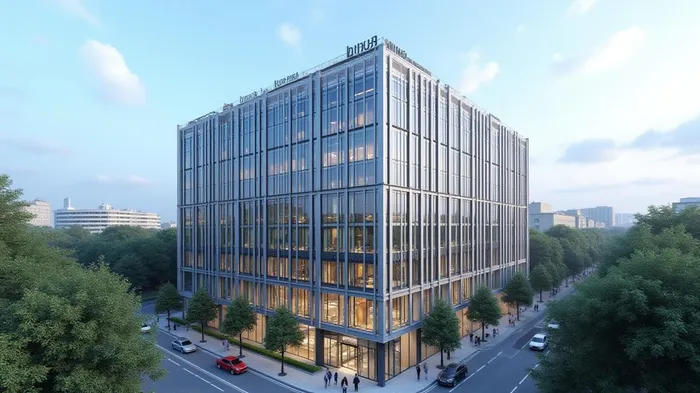
The company’s leasing activity offers a bright spot. In 2024, Vitura leased 18,500 sq.m (12% of the portfolio), including high-profile deals with Air Liquide and CCF Holdings. By March 2025, occupancy rose to 78%, with Europlaza maintaining a robust 91% occupancy and Rives de Bercy improving to 71% post-renovation. This progress underscores the effectiveness of Vitura’s strategy to reposition its portfolio toward prime assets.
ESG Excellence: A Cornerstone of Long-Term Value
Vitura’s ESG leadership remains a standout feature. The company achieved a 5-star GRESB rating (92/100 score), solidifying its position as the second-highest-rated French office REIT. Greenhouse gas emissions fell by 61% in 2024 compared to 2013 levels, while energy consumption dropped 36%. These achievements, paired with its ISO 14001 certification and EPRA transparency awards, position Vitura as a sustainability benchmark in its sector.
Strategic Shifts and Governance
The URD also signals key governance changes. John Kukral’s departure as Chairman led to the appointment of Michael Profenius, who will focus on separating the roles of chairman and CEO to strengthen oversight. Additionally, the sale of Passy Kennedy and Office Kennedy (retaining a 7% stake) aligns with Vitura’s strategy to divest non-core assets, despite a €142 million consolidated loss from the move.
Conclusion: A Mixed Bag with Long-Term Potential
Vitura’s 2024 results reflect a company navigating turbulent markets with a focus on sustainability and portfolio optimization. Key positives include:
- Leasing momentum: 78% occupancy and high-profile tenant wins signal operational strength.
- ESG leadership: A 5-star GRESB rating and carbon neutrality goals by 2050 could attract ESG-focused investors.
- Debt restructuring: Green financing now dominates, and LTV remains manageable at 68%.
However, challenges loom:
- Declining asset values: Portfolio value fell 8% like-for-like, dragging EPRA NTA per share down to €16.1 (from €30.7 in 2023).
- Earnings volatility: Non-cash items and rising financial costs cloud near-term profitability.
For investors, the question hinges on whether Vitura’s strategic repositioning—focusing on premium assets and green finance—will outweigh near-term headwinds. Its ESG credentials and improving occupancy metrics suggest long-term resilience, but the path to recovery will require stabilizing asset values and reducing debt-related pressures. With a stock price that has likely reflected these uncertainties (see visual query above), patient investors might find value in its sustainability-driven model, provided the company can execute on its debt and portfolio plans.
In short, Vitura’s URD paints a picture of a company balancing present challenges with future ambition—a dynamic that will define its trajectory in 2025 and beyond.







Comentarios
Aún no hay comentarios