
Unexpected Ways Everyday Americans Gauge Inflation
Generado por agente de IAEdwin Foster
miércoles, 1 de enero de 2025, 6:04 am ET2 min de lectura
HUBB--
Inflation, a persistent concern for consumers and policymakers alike, is often measured through official indices like the Consumer Price Index (CPI). However, everyday Americans have their own ways of gauging inflation, shaped by personal experiences, political leanings, and regional economic conditions. This article explores some unexpected methods Americans use to assess inflation and how these perceptions influence their spending and saving behaviors.
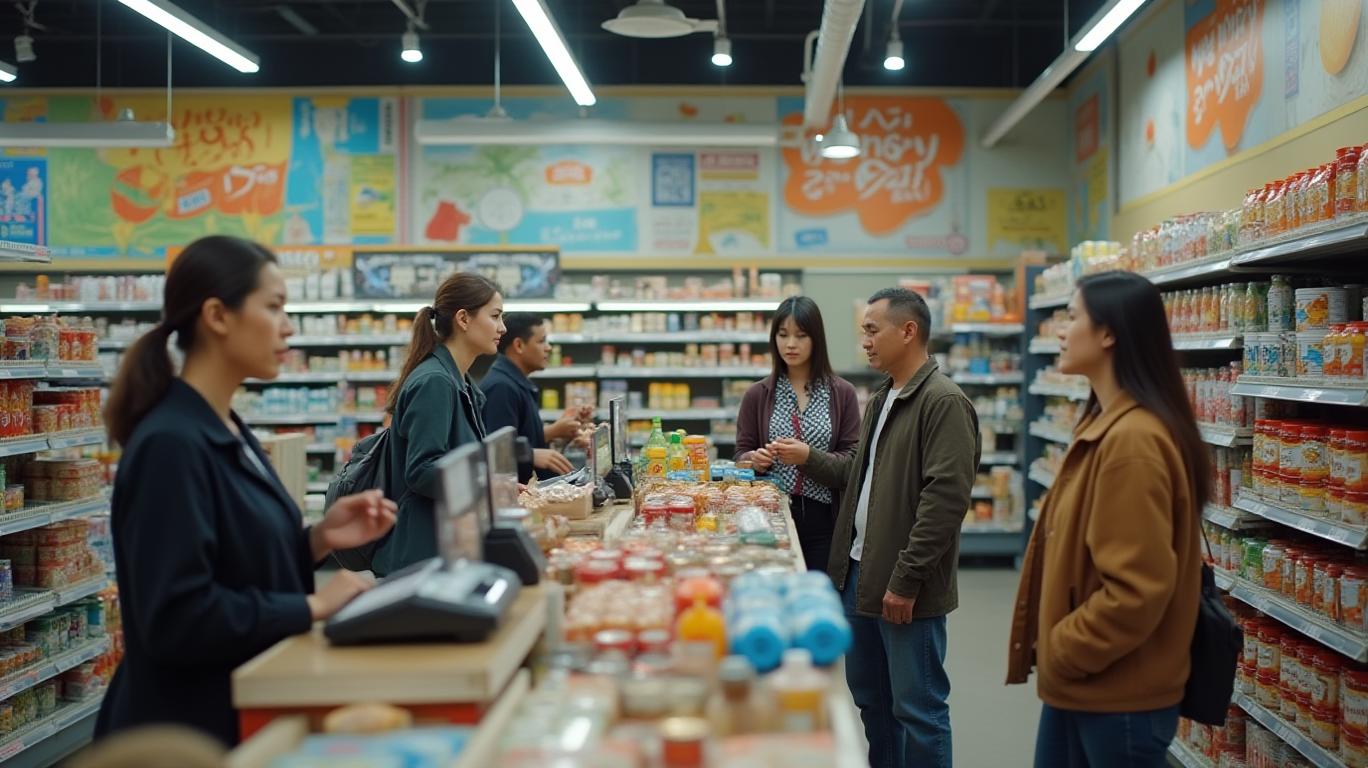
One of the most common ways Americans gauge inflation is through their day-to-day experiences with price changes, such as grocery shopping or utility bills. A study by Purdue University's Center for Food Demand Analysis and Sustainability found that consumers' estimates of food inflation did not shift as drastically as the actual CPI food inflation rate, but they were able to pick up on the direction of the downward trend. This indicates that consumers' personal experiences with food prices influence their perceptions of inflation (Hubbell & Bryant, 2024).
Moreover, the University of Michigan Surveys of Consumers (MSC) found that survey responses on inflation perceptions differed widely across individuals, with a slightly wider distribution than for inflation expectations. Most individuals' inflation perceptions were between zero and five percent, similar to their inflation expectations. This suggests that personal experiences with price changes play a crucial role in shaping individuals' inflation perceptions (Board of Governors of the Federal Reserve System, 2016).
Another factor influencing Americans' inflation perceptions is their political ideology. A study by Stefanie Stantcheva and her colleagues found that 75% of Republican voters surveyed blamed inflation on the government, compared to 60% of Democrats. This suggests that political ideology influences how consumers attribute the cause of inflation (Stantcheva et al., 2024). Additionally, the same study found that Republicans were less likely to support policies that might help lower-income households, such as expanding access to food stamps or boosting the minimum wage, indicating that political ideology shapes not only the perception of inflation's impact but also the support for policies aimed at mitigating its effects.
Furthermore, regional economic conditions and local price trends can significantly impact individuals' inflation perceptions and expectations. Inflation rates can vary significantly across different regions within a country, with some cities experiencing higher inflation rates than the national average. This regional disparity can influence individuals' inflation perceptions and expectations, as those living in areas with higher inflation may perceive and expect higher inflation rates than those in areas with lower inflation.

In conclusion, everyday Americans gauge inflation through various unexpected methods, including personal experiences with price changes, political leanings, and regional economic conditions. These perceptions can significantly influence their spending and saving behaviors, as well as their expectations for future inflation. Understanding these influences can help policymakers and economists better anticipate and address the potential impacts of inflation on consumer behavior and the broader economy.
Word count: 598
MSC--
Inflation, a persistent concern for consumers and policymakers alike, is often measured through official indices like the Consumer Price Index (CPI). However, everyday Americans have their own ways of gauging inflation, shaped by personal experiences, political leanings, and regional economic conditions. This article explores some unexpected methods Americans use to assess inflation and how these perceptions influence their spending and saving behaviors.
One of the most common ways Americans gauge inflation is through their day-to-day experiences with price changes, such as grocery shopping or utility bills. A study by Purdue University's Center for Food Demand Analysis and Sustainability found that consumers' estimates of food inflation did not shift as drastically as the actual CPI food inflation rate, but they were able to pick up on the direction of the downward trend. This indicates that consumers' personal experiences with food prices influence their perceptions of inflation (Hubbell & Bryant, 2024).
Moreover, the University of Michigan Surveys of Consumers (MSC) found that survey responses on inflation perceptions differed widely across individuals, with a slightly wider distribution than for inflation expectations. Most individuals' inflation perceptions were between zero and five percent, similar to their inflation expectations. This suggests that personal experiences with price changes play a crucial role in shaping individuals' inflation perceptions (Board of Governors of the Federal Reserve System, 2016).
Another factor influencing Americans' inflation perceptions is their political ideology. A study by Stefanie Stantcheva and her colleagues found that 75% of Republican voters surveyed blamed inflation on the government, compared to 60% of Democrats. This suggests that political ideology influences how consumers attribute the cause of inflation (Stantcheva et al., 2024). Additionally, the same study found that Republicans were less likely to support policies that might help lower-income households, such as expanding access to food stamps or boosting the minimum wage, indicating that political ideology shapes not only the perception of inflation's impact but also the support for policies aimed at mitigating its effects.
Furthermore, regional economic conditions and local price trends can significantly impact individuals' inflation perceptions and expectations. Inflation rates can vary significantly across different regions within a country, with some cities experiencing higher inflation rates than the national average. This regional disparity can influence individuals' inflation perceptions and expectations, as those living in areas with higher inflation may perceive and expect higher inflation rates than those in areas with lower inflation.
In conclusion, everyday Americans gauge inflation through various unexpected methods, including personal experiences with price changes, political leanings, and regional economic conditions. These perceptions can significantly influence their spending and saving behaviors, as well as their expectations for future inflation. Understanding these influences can help policymakers and economists better anticipate and address the potential impacts of inflation on consumer behavior and the broader economy.
Word count: 598

Divulgación editorial y transparencia de la IA: Ainvest News utiliza tecnología avanzada de Modelos de Lenguaje Largo (LLM) para sintetizar y analizar datos de mercado en tiempo real. Para garantizar los más altos estándares de integridad, cada artículo se somete a un riguroso proceso de verificación con participación humana.
Mientras la IA asiste en el procesamiento de datos y la redacción inicial, un miembro editorial profesional de Ainvest revisa, verifica y aprueba de forma independiente todo el contenido para garantizar su precisión y cumplimiento con los estándares editoriales de Ainvest Fintech Inc. Esta supervisión humana está diseñada para mitigar las alucinaciones de la IA y garantizar el contexto financiero.
Advertencia sobre inversiones: Este contenido se proporciona únicamente con fines informativos y no constituye asesoramiento profesional de inversión, legal o financiero. Los mercados conllevan riesgos inherentes. Se recomienda a los usuarios que realicen una investigación independiente o consulten a un asesor financiero certificado antes de tomar cualquier decisión. Ainvest Fintech Inc. se exime de toda responsabilidad por las acciones tomadas con base en esta información. ¿Encontró un error? Reportar un problema




Comentarios
Aún no hay comentarios