
Ukraine's Infrastructure Under Siege: Assessing the Economic Fallout of Escalating Drone Attacks
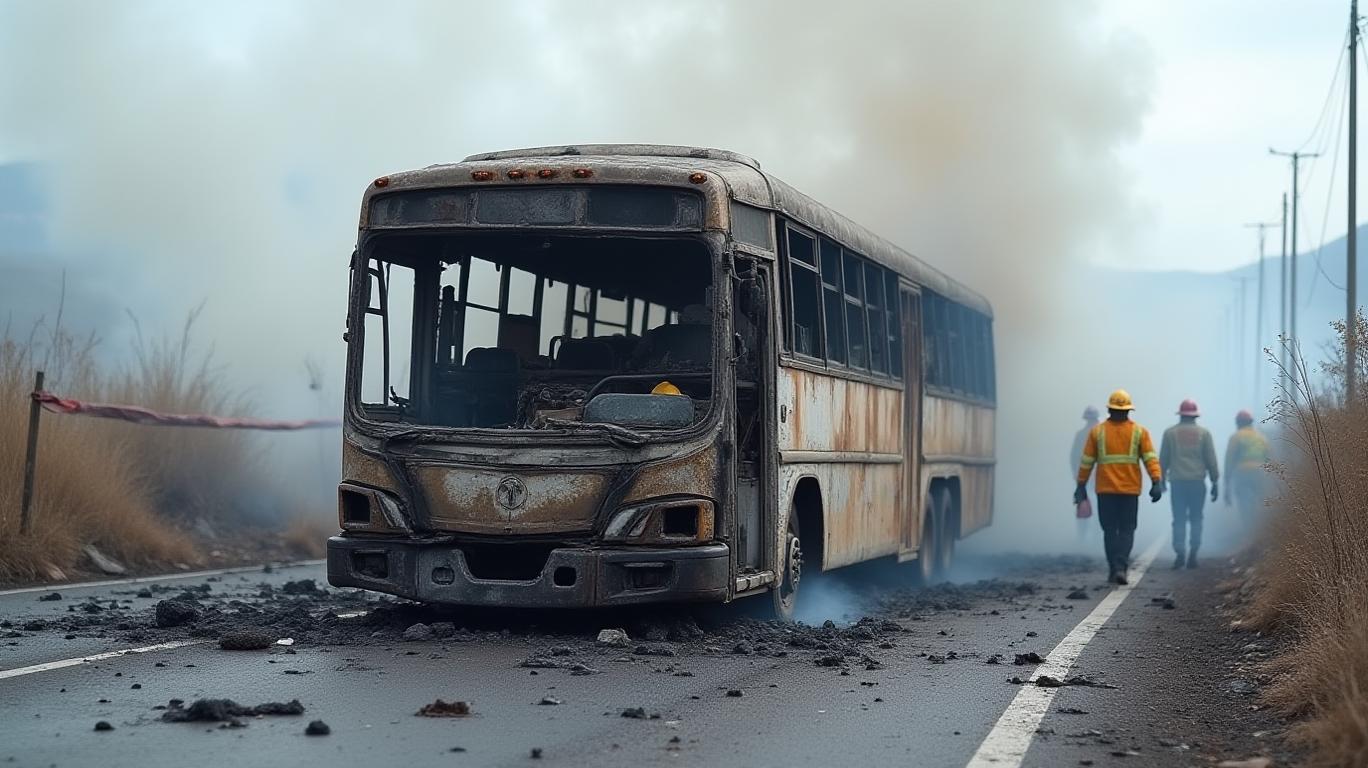
The April 23 Russian drone attack on Marhanets, Dnipropetrovsk Oblast, which killed nine civilians and injured over 30, is emblematic of a broader pattern of aggression targeting Ukraine’s civilian infrastructure. The strike, which hit a bus carrying workers to a local enterprise, underscores the systemic risks to Ukraine’s economic stability and the long-term costs of sustaining this conflict.
A Pattern of Strategic Destruction
Since the start of the war, Russia has systematically targeted civilian infrastructure—residential buildings, transportation hubs, energy grids, and agricultural facilities—to disrupt daily life and erode economic resilience. In Marhanets alone, recent attacks have damaged power lines, gas pipelines, and an agricultural enterprise, while broader strikes in Dnipropetrovsk Oblast have crippled railways and industrial sites. The April 23 assault, part of a coordinated drone campaign, aligns with prior patterns: in early April 2025, similar strikes damaged apartment buildings, food processing plants, and high-rise residential complexes in Dnipro and Kharkiv, causing over 100 window shatters and fires.
The human toll is stark. Since 2022, over 15,000 Ukrainian civilians have died in such attacks, with thousands more injured. Infrastructure damage has been equally devastating. According to the World Bank, Ukraine’s GDP has contracted by 15% since 2021, driven by disruptions to trade, energy exports, and industrial activity.
Economic Consequences: Beyond the Immediate Costs
The attacks impose both direct and indirect economic costs. Directly, damaged infrastructure requires costly repairs. For instance, rebuilding a single power line in Marhanets could cost $2–5 million, while restoring residential housing in Kharkiv’s high-rise complexes may exceed $10 million per building. Indirectly, the strikes deter investment, disrupt supply chains, and erode public confidence.
The energy sector faces acute risks. Russia’s targeting of gas pipelines and power facilities has cut Ukraine’s energy exports by 30% since 2022, reducing revenue and straining domestic supply. Meanwhile, disruptions to rail networks—such as those reported in Dnipropetrovsk’s Ukrzaliznytsia system—delay agricultural exports, threatening a sector that contributes 10% to Ukraine’s GDP.
Geopolitical Risks and the Truce Dilemma
Ukraine’s proposed 30-day truce on long-range strikes, ignored by Russia, reflects the futility of diplomatic solutions. Moscow’s refusal to engage undermines global confidence in the region’s stability. Investors now face heightened geopolitical risks:
- Economic sanctions: Western restrictions on Russian energy exports have depressed global gas prices, but they also limit Ukraine’s access to Russian markets.
- Reconstruction funding: While the EU and IMF have pledged over €100 billion in reconstruction aid to Ukraine, disbursement delays persist, leaving projects like infrastructure rebuilding underfunded.
Investment Implications: Opportunities Amid Chaos
The conflict creates both risks and opportunities for investors.
Risks:
- Ukrainian equity markets: The MSCI Ukraine Index has lost 40% of its value since 2021, reflecting systemic instability.
- Regional exposure: Companies with operations in Eastern Europe, such as Poland’s PGNiG (gas infrastructure) or Hungary’s MOL Group (energy), face collateral risks from spillover attacks.
Opportunities:
- Defense sector: Rising global defense budgets, driven by NATO’s response to the war, have boosted stocks like Raytheon Technologies (RTX) (+25% YTD 2024) and Lockheed Martin (LMT) (+18% YTD 2024).
- Reconstruction plays: Firms specializing in infrastructure rebuilding, such as Bechtel Group or ACS Group, may benefit from post-war contracts.
Conclusion: A Costly Endgame
The Marhanets attack and its counterparts illustrate the escalating human and economic toll of this conflict. With over $1.5 trillion in cumulative damage to Ukraine’s infrastructure, the path to recovery demands not only ceasefire talks but also sustained international investment.
For investors, the calculus is clear: while Ukraine’s immediate prospects remain bleak, the defense and reconstruction sectors offer asymmetric gains. However, the ultimate cost—measured in lost lives, shattered economies, and geopolitical instability—remains a stark reminder of the stakes. As long as attacks like those in Marhanets persist, the region’s economic revival will remain on hold.
The road to recovery will be long, but the stakes for global stability are too high to ignore.







Comentarios
Aún no hay comentarios