
Turkey's Disinflationary Momentum: A Delicate Balance Between Hope and Hard Realities
Structural Challenges and Embedded Inflationary Pressures
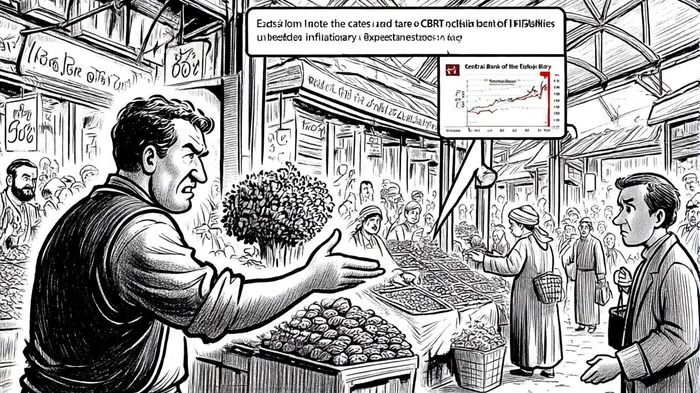
Turkey's disinflationary trajectory is haunted by deep-seated structural issues. Corporate breakdowns, a persistently high unemployment rate (over 28%), and a brain drain of skilled labor underscore a fragile economic foundation, according to a PA Turkey commentary. Meanwhile, the BETAM Household Inflation Expectations Survey reveals a troubling rigidity: 61% of households anticipate inflation to remain above 60% over the next year. Such entrenched expectations create a self-fulfilling prophecy, as wage demands and pricing behavior lock in higher inflation.
The CBRT's tight monetary stance-maintaining a repo rate of 39.5%-reflects its commitment to price stability, but the central bank's ability to anchor expectations is constrained by a mismatch between policy and reality. As one expert notes, "Optimism is largely driven by hope rather than tangible economic improvements." This psychological disconnect risks undermining the efficacy of monetary tightening, particularly as households and firms adjust to prolonged high-cost environments.
Temporary Factors and Policy Efficacy
Short-term disinflationary momentum faces headwinds from temporary factors. Food inflation, driven by drought and frost, rose 32.3% year-on-year in October 2025, according to Turkish Minute. While Treasury Minister Mehmet Şimşek argues these are "external shocks," critics point to years of market intervention and weak agricultural planning as root causes. The CBRT has slowed its rate-cutting cycle in response, but food price volatility remains a wildcard for 2026.
Exchange rate pressures further complicate the picture. The lira's depreciation, though moderated in recent months, continues to fuel import costs. The CBRT's forward guidance emphasizes vigilance against "persistent food inflation and elevated inflation expectations," yet its readiness to adjust taxes below inflation targets suggests a policy pivot toward growth support, according to Investing.com. This duality-tight monetary policy paired with fiscal easing-risks creating a "Malaise-flation" scenario: high inflation coexisting with tepid growth.
Investor Implications: Navigating Uncertainty
For investors, Turkey's disinflationary narrative is a high-stakes gamble. Local currency debt, while offering attractive yields, remains exposed to inflation surprises and policy reversals. The CBRT's rate cuts may not translate into lower bond yields if inflation expectations remain anchored to double digits. FX markets, meanwhile, face a tug-of-war between the central bank's interventionist stance and the lira's fundamental vulnerabilities.
Inflation-linked assets, such as indexed bonds or commodities, could serve as hedges against food price volatility. However, structural risks-including corporate insolvencies and capital flight-suggest a prolonged period of economic fragility. Investors must also weigh the government's ambitious 2026 forecasts (16% inflation, 3% GDP growth, according to Investing.com) against independent economists' more bearish outlooks, as reported by Reuters.
Conclusion: A Delicate Tightrope
Turkey's disinflationary momentum is a fragile construct, balanced precariously between temporary relief and enduring structural rot. While the CBRT's policy adjustments and fiscal measures offer hope, the durability of these efforts hinges on resolving embedded inflationary expectations and addressing long-term economic imbalances. For investors, the path forward demands a nuanced approach: hedging against volatility while monitoring policy credibility and structural reforms.







Comentarios
Aún no hay comentarios