
Trump vs. South Africa: Aid Cut, Refugee Plan, and Land Law Tensions Escalate
Generado por agente de IAEdwin Foster
sábado, 8 de febrero de 2025, 2:43 pm ET2 min de lectura
AENT--
The Trump administration's decision to cut aid to South Africa and promote the resettlement of Afrikaner refugees has sparked a diplomatic row, with South Africa's government responding firmly but diplomatically. The move comes amidst ongoing debates surrounding South Africa's new land expropriation law, which aims to address the legacy of colonialism and apartheid while balancing property rights and the rule of law. This article explores the background, implications, and potential consequences of these developments.

Background: Trump's Aid Cut and Refugee Plan
On Sunday, February 9, 2025, U.S. President Donald Trump announced on his Truth Social platform that he would cut all future funding to South Africa until a full investigation of the country's land policies was completed. Trump claimed that a "massive" human rights violation against white people was happening in South Africa over a new land expropriation law. He also stated that the United States would promote the resettlement of Afrikaner refugees escaping government-sponsored race-based discrimination.
South Africa's Response
South Africa's government has denied Trump's accusations, stating that the country is a constitutional democracy deeply rooted in the rule of law, justice, and equality. President Cyril Ramaphosa also pointed out that, with the exception of PEPFAR aid, which constitutes 17% of South Africa's HIV/AIDS program, there is no other significant funding provided by the United States in South Africa.
Land Expropriation Law: Balancing Redress and Property Rights
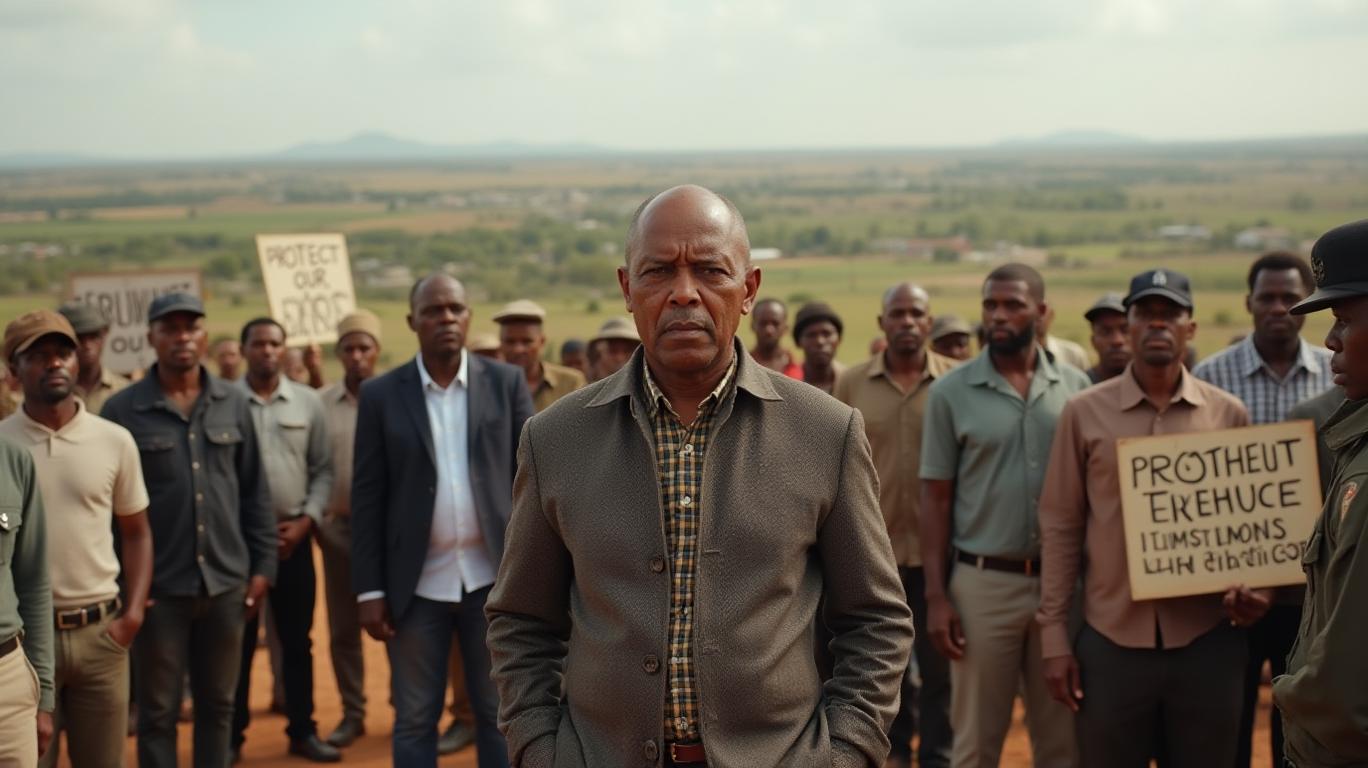
South Africa's new land expropriation law, passed in January 2023, aims to address the legacy of colonialism and apartheid by redistributing land to the Black majority while protecting property rights and adhering to the rule of law. The law allows for land expropriation without compensation in specific circumstances, such as when land is not being used productively or is in the public interest. However, it does not permit arbitrary seizures, and any expropriations must be agreed upon with the owner and go through South Africa's independent courts.
Potential Consequences and Solutions
The Trump administration's decision to cut aid to South Africa and promote the resettlement of Afrikaner refugees could have significant implications for the country's economic stability, social programs, and political dynamics. To mitigate these consequences, South Africa could:
1. Strengthen its diplomatic ties with other countries, particularly those in the BRICS (Brazil, Russia, India, China, and South Africa) alliance, to diversify its sources of aid and investment.
2. Engage in constructive dialogue with the Trump administration to address their concerns and clarify the intentions behind South Africa's land expropriation law.
3. Continue to uphold the rule of law and protect property rights while pursuing land redistribution and historical redress, ensuring that the process is transparent, fair, and equitable.
In conclusion, the Trump administration's decision to cut aid to South Africa and promote the resettlement of Afrikaner refugees has sparked a diplomatic row, with potential consequences for the country's economic stability, social programs, and political dynamics. By addressing these challenges proactively and engaging in constructive dialogue, South Africa can navigate these tensions and continue to pursue its goals of land redistribution and historical redress while upholding the rule of law and protecting property rights.
EQH--
The Trump administration's decision to cut aid to South Africa and promote the resettlement of Afrikaner refugees has sparked a diplomatic row, with South Africa's government responding firmly but diplomatically. The move comes amidst ongoing debates surrounding South Africa's new land expropriation law, which aims to address the legacy of colonialism and apartheid while balancing property rights and the rule of law. This article explores the background, implications, and potential consequences of these developments.
Background: Trump's Aid Cut and Refugee Plan
On Sunday, February 9, 2025, U.S. President Donald Trump announced on his Truth Social platform that he would cut all future funding to South Africa until a full investigation of the country's land policies was completed. Trump claimed that a "massive" human rights violation against white people was happening in South Africa over a new land expropriation law. He also stated that the United States would promote the resettlement of Afrikaner refugees escaping government-sponsored race-based discrimination.
South Africa's Response
South Africa's government has denied Trump's accusations, stating that the country is a constitutional democracy deeply rooted in the rule of law, justice, and equality. President Cyril Ramaphosa also pointed out that, with the exception of PEPFAR aid, which constitutes 17% of South Africa's HIV/AIDS program, there is no other significant funding provided by the United States in South Africa.
Land Expropriation Law: Balancing Redress and Property Rights
South Africa's new land expropriation law, passed in January 2023, aims to address the legacy of colonialism and apartheid by redistributing land to the Black majority while protecting property rights and adhering to the rule of law. The law allows for land expropriation without compensation in specific circumstances, such as when land is not being used productively or is in the public interest. However, it does not permit arbitrary seizures, and any expropriations must be agreed upon with the owner and go through South Africa's independent courts.
Potential Consequences and Solutions
The Trump administration's decision to cut aid to South Africa and promote the resettlement of Afrikaner refugees could have significant implications for the country's economic stability, social programs, and political dynamics. To mitigate these consequences, South Africa could:
1. Strengthen its diplomatic ties with other countries, particularly those in the BRICS (Brazil, Russia, India, China, and South Africa) alliance, to diversify its sources of aid and investment.
2. Engage in constructive dialogue with the Trump administration to address their concerns and clarify the intentions behind South Africa's land expropriation law.
3. Continue to uphold the rule of law and protect property rights while pursuing land redistribution and historical redress, ensuring that the process is transparent, fair, and equitable.
In conclusion, the Trump administration's decision to cut aid to South Africa and promote the resettlement of Afrikaner refugees has sparked a diplomatic row, with potential consequences for the country's economic stability, social programs, and political dynamics. By addressing these challenges proactively and engaging in constructive dialogue, South Africa can navigate these tensions and continue to pursue its goals of land redistribution and historical redress while upholding the rule of law and protecting property rights.

Divulgación editorial y transparencia de la IA: Ainvest News utiliza tecnología avanzada de Modelos de Lenguaje Largo (LLM) para sintetizar y analizar datos de mercado en tiempo real. Para garantizar los más altos estándares de integridad, cada artículo se somete a un riguroso proceso de verificación con participación humana.
Mientras la IA asiste en el procesamiento de datos y la redacción inicial, un miembro editorial profesional de Ainvest revisa, verifica y aprueba de forma independiente todo el contenido para garantizar su precisión y cumplimiento con los estándares editoriales de Ainvest Fintech Inc. Esta supervisión humana está diseñada para mitigar las alucinaciones de la IA y garantizar el contexto financiero.
Advertencia sobre inversiones: Este contenido se proporciona únicamente con fines informativos y no constituye asesoramiento profesional de inversión, legal o financiero. Los mercados conllevan riesgos inherentes. Se recomienda a los usuarios que realicen una investigación independiente o consulten a un asesor financiero certificado antes de tomar cualquier decisión. Ainvest Fintech Inc. se exime de toda responsabilidad por las acciones tomadas con base en esta información. ¿Encontró un error? Reportar un problema


SOBRE NOSOTROS
Nuestra historiaAutores de noticiasBase de conocimientosPolítica de privacidadTérmino de usoDescargo de responsabilidad de corretaje de tercerosTérminos de uso de AIMEDivulgaciones de riesgos de AInvest AICarrerasCONTÁCTENOS
Email: support@ainvest.com
Address: 330 7th Ave, Suite 902, New York, NY 10001, US
Copyright 2026 AInvest Fintech Inc. All rights reserved.


Comentarios
Aún no hay comentarios