
Trump's Policies Complicate the Fed's Inflation Fight
Generado por agente de IAEdwin Foster
sábado, 18 de enero de 2025, 11:51 am ET1 min de lectura
V--
The Federal Reserve's battle against inflation has become more challenging with the election of Donald Trump as President. Trump's proposed policies, including tariffs and tax cuts, could exacerbate inflationary pressures, making it difficult for the Fed to maintain its independence and control inflation effectively.
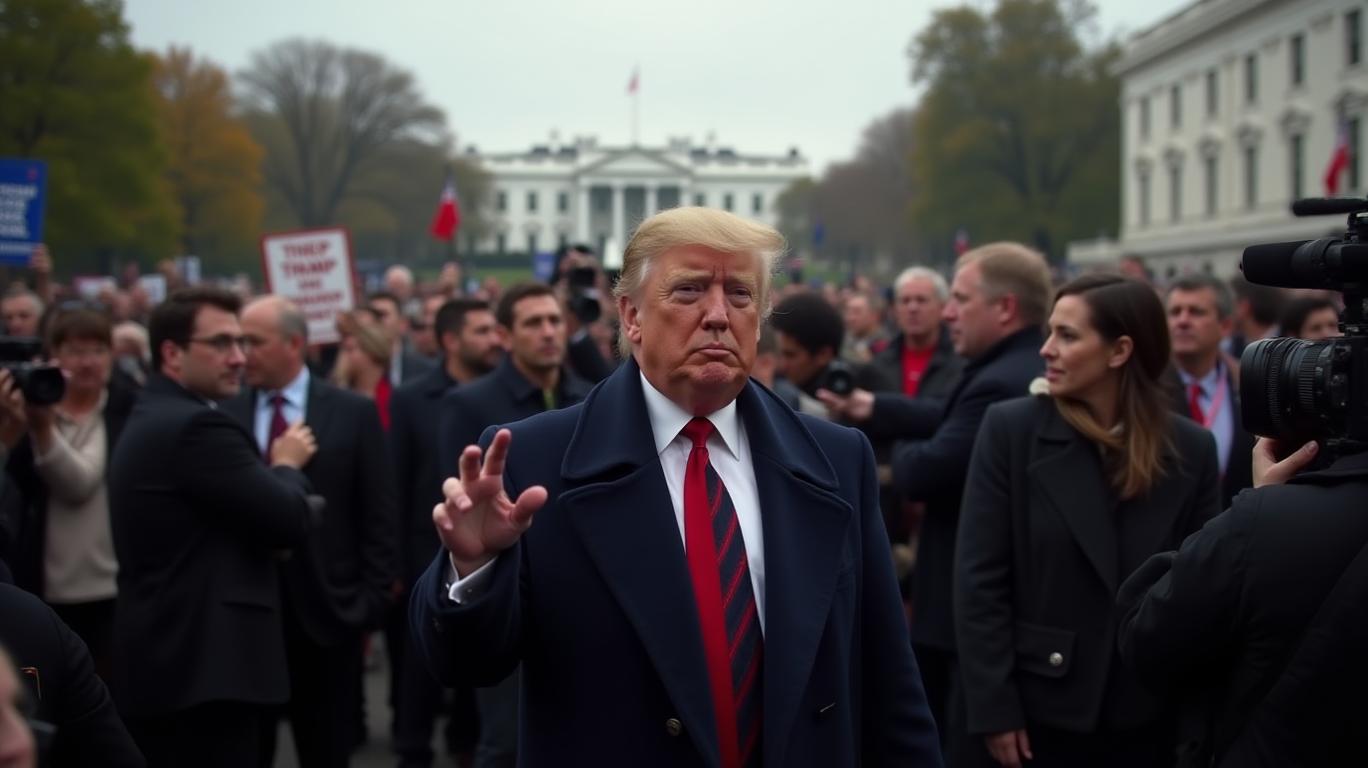
Trump's proposed tariffs on imports from Canada, China, and Mexico would increase the cost of goods for American businesses and consumers. This would likely lead to higher prices, contributing to inflationary pressures. Additionally, Trump's proposed tax cuts, such as reducing the corporate tax rate and potentially eliminating taxes on Social Security and overtime pay, could act as a fiscal stimulus. This could accelerate economic growth and put upward pressure on prices, further fueling inflation.
Trump's focus on deporting immigrants could also make the labor market tighter, as companies compete for a shrinking pool of workers. This could put pressure on wages, which would also contribute to higher inflation rates in the long term. For instance, a study by the National Foundation for American Policy found that the Trump administration's immigration policies have led to a significant reduction in the number of H-1B visa holders, which could contribute to labor shortages and higher wages in certain sectors.
Trump's actions, particularly his public criticism of the Federal Reserve and its chair Jerome Powell, could potentially undermine the Fed's independence and the market's confidence in its ability to manage inflation. Trump's repeated attacks on the Fed raise concerns about potential political interference in the Fed's policymaking. If Trump were to pressure the Fed to lower interest rates more than it deems appropriate, it could lead to higher inflation. This would be detrimental to the economy and the Fed's credibility.
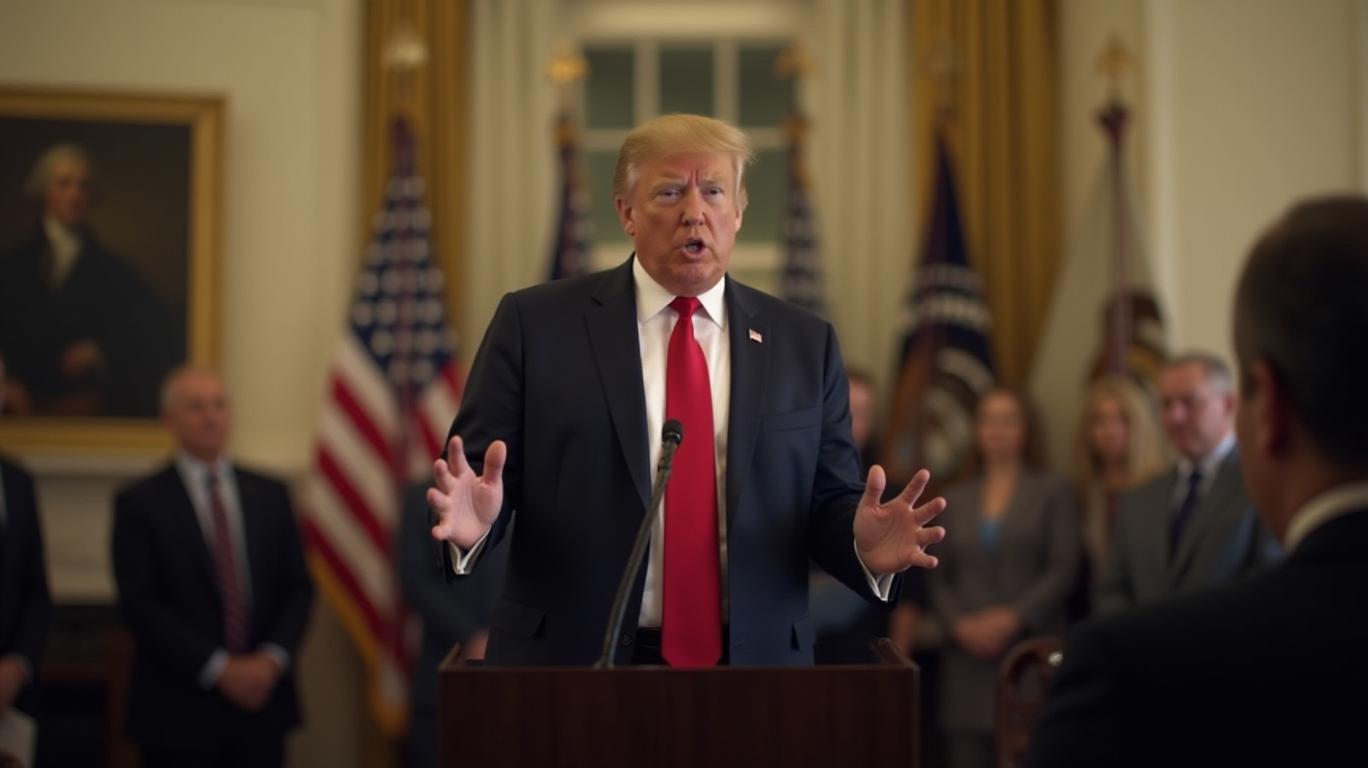
The Fed's ability to lower interest rates in 2025 may be constrained by Trump's policies. If inflation picks up due to these policies, the Fed would need to keep interest rates higher for longer to combat it. This could limit the extent to which the Fed can deliver additional rate cuts. Moreover, the Fed's independence and the market's confidence in its ability to manage inflation could be further eroded if Trump continues to publicly criticize the Fed and its policies.
In conclusion, Trump's proposed policies, including tariffs and tax cuts, could exacerbate inflationary pressures, making it more difficult for the Fed to maintain its independence and control inflation effectively. Trump's public criticism of the Fed and its chair Jerome Powell could further undermine the Fed's independence and the market's confidence in its ability to manage inflation. The Fed must navigate these challenges while maintaining its independence and focusing on its mandate to promote maximum employment and stable prices.
The Federal Reserve's battle against inflation has become more challenging with the election of Donald Trump as President. Trump's proposed policies, including tariffs and tax cuts, could exacerbate inflationary pressures, making it difficult for the Fed to maintain its independence and control inflation effectively.
Trump's proposed tariffs on imports from Canada, China, and Mexico would increase the cost of goods for American businesses and consumers. This would likely lead to higher prices, contributing to inflationary pressures. Additionally, Trump's proposed tax cuts, such as reducing the corporate tax rate and potentially eliminating taxes on Social Security and overtime pay, could act as a fiscal stimulus. This could accelerate economic growth and put upward pressure on prices, further fueling inflation.
Trump's focus on deporting immigrants could also make the labor market tighter, as companies compete for a shrinking pool of workers. This could put pressure on wages, which would also contribute to higher inflation rates in the long term. For instance, a study by the National Foundation for American Policy found that the Trump administration's immigration policies have led to a significant reduction in the number of H-1B visa holders, which could contribute to labor shortages and higher wages in certain sectors.
Trump's actions, particularly his public criticism of the Federal Reserve and its chair Jerome Powell, could potentially undermine the Fed's independence and the market's confidence in its ability to manage inflation. Trump's repeated attacks on the Fed raise concerns about potential political interference in the Fed's policymaking. If Trump were to pressure the Fed to lower interest rates more than it deems appropriate, it could lead to higher inflation. This would be detrimental to the economy and the Fed's credibility.
The Fed's ability to lower interest rates in 2025 may be constrained by Trump's policies. If inflation picks up due to these policies, the Fed would need to keep interest rates higher for longer to combat it. This could limit the extent to which the Fed can deliver additional rate cuts. Moreover, the Fed's independence and the market's confidence in its ability to manage inflation could be further eroded if Trump continues to publicly criticize the Fed and its policies.
In conclusion, Trump's proposed policies, including tariffs and tax cuts, could exacerbate inflationary pressures, making it more difficult for the Fed to maintain its independence and control inflation effectively. Trump's public criticism of the Fed and its chair Jerome Powell could further undermine the Fed's independence and the market's confidence in its ability to manage inflation. The Fed must navigate these challenges while maintaining its independence and focusing on its mandate to promote maximum employment and stable prices.

Divulgación editorial y transparencia de la IA: Ainvest News utiliza tecnología avanzada de Modelos de Lenguaje Largo (LLM) para sintetizar y analizar datos de mercado en tiempo real. Para garantizar los más altos estándares de integridad, cada artículo se somete a un riguroso proceso de verificación con participación humana.
Mientras la IA asiste en el procesamiento de datos y la redacción inicial, un miembro editorial profesional de Ainvest revisa, verifica y aprueba de forma independiente todo el contenido para garantizar su precisión y cumplimiento con los estándares editoriales de Ainvest Fintech Inc. Esta supervisión humana está diseñada para mitigar las alucinaciones de la IA y garantizar el contexto financiero.
Advertencia sobre inversiones: Este contenido se proporciona únicamente con fines informativos y no constituye asesoramiento profesional de inversión, legal o financiero. Los mercados conllevan riesgos inherentes. Se recomienda a los usuarios que realicen una investigación independiente o consulten a un asesor financiero certificado antes de tomar cualquier decisión. Ainvest Fintech Inc. se exime de toda responsabilidad por las acciones tomadas con base en esta información. ¿Encontró un error? Reportar un problema


SOBRE NOSOTROS
Nuestra historiaAutores de noticiasBase de conocimientosPolítica de privacidadTérmino de usoDescargo de responsabilidad de corretaje de tercerosTérminos de uso de AIMEDivulgaciones de riesgos de AInvest AICarrerasCONTÁCTENOS
Email: support@ainvest.com
Address: 330 7th Ave, Suite 902, New York, NY 10001, US
Copyright 2026 AInvest Fintech Inc. All rights reserved.


Comentarios
Aún no hay comentarios