
Trump Leaves Stock Markets Guessing: Tariff Uncertainty Sets Tone for a Volatile Presidency
Generado por agente de IATheodore Quinn
miércoles, 22 de enero de 2025, 3:34 pm ET1 min de lectura
UVV--
As Donald Trump begins his second term, investors are bracing for a rollercoaster ride, with tariff uncertainty setting the tone for a potentially volatile presidency. The markets have already seen significant swings this week, with currencies, commodities, and corporate shares all feeling the impact of Trump's policies. Here are five things to know today about the implications of Trump's second term for investors.
1. Tax Cuts, Tariffs, and Deregulation: Trump's re-election may lead to an extension of his Tax Cuts and Jobs Act, which could increase federal deficits while supporting corporate valuation multiples. Proposed tariffs on Chinese goods could raise inflation and weigh on U.S. economic growth. Deregulation in Trump's second term could benefit sectors such as Energy, Financial Services, Pharmaceuticals, and Cryptocurrency, while creating policy risks for clean energy and electric vehicles.
2. Market Volatility: Investors should expect increased market volatility as Trump's policies unfold. His unpredictable nature and penchant for making sudden announcements could lead to dramatic swings in both equities and currencies. To navigate this uncertainty, investors may want to consider defensive sectors and stocks, such as Consumer Staples, Health Care, Utilities, and select retailers with less exposure to offshore production.
3. Trade and Tariffs: Trump's trade and tariff policies can have significant impacts on the economy and markets. His proposed tariffs on Chinese goods and potential universal 10% tariff on imports from other countries could negatively impact economic growth and put upward pressure on inflation. Investors should monitor these developments closely and consider defensive investments to hedge against potential market downturns.
4. Deregulation: Deregulation could be a major theme of Trump's second term, with potential benefits for certain sectors. However, investors should also be aware of the policy risks associated with reduced regulations, particularly in industries like clean energy and electric vehicles. As Trump's policies unfold, investors should stay informed about the potential impacts on their portfolios and adjust their strategies accordingly.
5. Long-term Investment Strategies: Despite the potential for market volatility, investors should maintain a long-term perspective and focus on their financial goals. While Trump's policies may create uncertainty and challenges, they also present opportunities for those who can navigate the changing landscape. By staying informed, diversifying their portfolios, and remaining adaptable, investors can position themselves to capitalize on the opportunities that arise during Trump's second term.
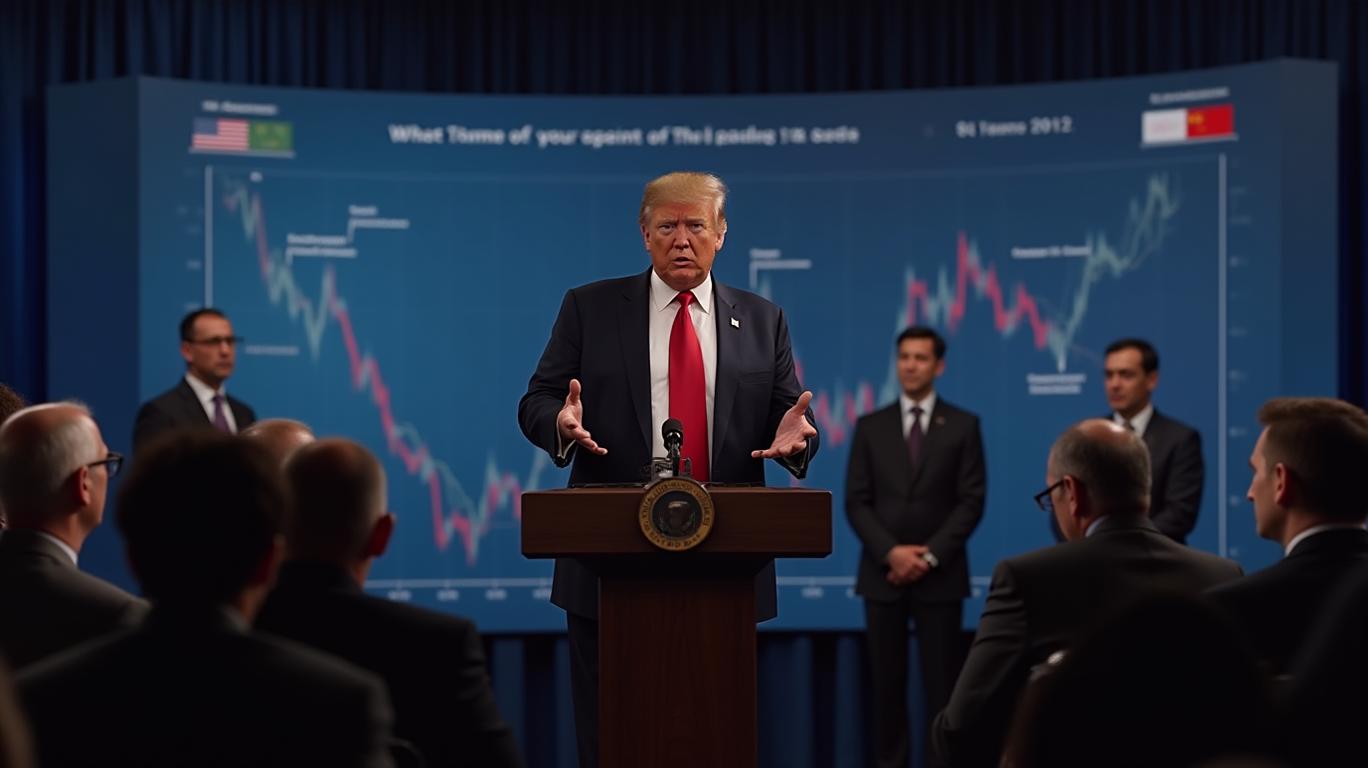
In conclusion, Trump's second term is likely to be marked by volatility and uncertainty, with significant implications for investors. By staying informed, diversifying their portfolios, and remaining adaptable, investors can navigate the challenges and opportunities that arise during this period. As the markets continue to evolve, investors should maintain a long-term perspective and focus on their financial goals, while also being prepared to adjust their strategies as needed.
As Donald Trump begins his second term, investors are bracing for a rollercoaster ride, with tariff uncertainty setting the tone for a potentially volatile presidency. The markets have already seen significant swings this week, with currencies, commodities, and corporate shares all feeling the impact of Trump's policies. Here are five things to know today about the implications of Trump's second term for investors.
1. Tax Cuts, Tariffs, and Deregulation: Trump's re-election may lead to an extension of his Tax Cuts and Jobs Act, which could increase federal deficits while supporting corporate valuation multiples. Proposed tariffs on Chinese goods could raise inflation and weigh on U.S. economic growth. Deregulation in Trump's second term could benefit sectors such as Energy, Financial Services, Pharmaceuticals, and Cryptocurrency, while creating policy risks for clean energy and electric vehicles.
2. Market Volatility: Investors should expect increased market volatility as Trump's policies unfold. His unpredictable nature and penchant for making sudden announcements could lead to dramatic swings in both equities and currencies. To navigate this uncertainty, investors may want to consider defensive sectors and stocks, such as Consumer Staples, Health Care, Utilities, and select retailers with less exposure to offshore production.
3. Trade and Tariffs: Trump's trade and tariff policies can have significant impacts on the economy and markets. His proposed tariffs on Chinese goods and potential universal 10% tariff on imports from other countries could negatively impact economic growth and put upward pressure on inflation. Investors should monitor these developments closely and consider defensive investments to hedge against potential market downturns.
4. Deregulation: Deregulation could be a major theme of Trump's second term, with potential benefits for certain sectors. However, investors should also be aware of the policy risks associated with reduced regulations, particularly in industries like clean energy and electric vehicles. As Trump's policies unfold, investors should stay informed about the potential impacts on their portfolios and adjust their strategies accordingly.
5. Long-term Investment Strategies: Despite the potential for market volatility, investors should maintain a long-term perspective and focus on their financial goals. While Trump's policies may create uncertainty and challenges, they also present opportunities for those who can navigate the changing landscape. By staying informed, diversifying their portfolios, and remaining adaptable, investors can position themselves to capitalize on the opportunities that arise during Trump's second term.
In conclusion, Trump's second term is likely to be marked by volatility and uncertainty, with significant implications for investors. By staying informed, diversifying their portfolios, and remaining adaptable, investors can navigate the challenges and opportunities that arise during this period. As the markets continue to evolve, investors should maintain a long-term perspective and focus on their financial goals, while also being prepared to adjust their strategies as needed.

Divulgación editorial y transparencia de la IA: Ainvest News utiliza tecnología avanzada de Modelos de Lenguaje Largo (LLM) para sintetizar y analizar datos de mercado en tiempo real. Para garantizar los más altos estándares de integridad, cada artículo se somete a un riguroso proceso de verificación con participación humana.
Mientras la IA asiste en el procesamiento de datos y la redacción inicial, un miembro editorial profesional de Ainvest revisa, verifica y aprueba de forma independiente todo el contenido para garantizar su precisión y cumplimiento con los estándares editoriales de Ainvest Fintech Inc. Esta supervisión humana está diseñada para mitigar las alucinaciones de la IA y garantizar el contexto financiero.
Advertencia sobre inversiones: Este contenido se proporciona únicamente con fines informativos y no constituye asesoramiento profesional de inversión, legal o financiero. Los mercados conllevan riesgos inherentes. Se recomienda a los usuarios que realicen una investigación independiente o consulten a un asesor financiero certificado antes de tomar cualquier decisión. Ainvest Fintech Inc. se exime de toda responsabilidad por las acciones tomadas con base en esta información. ¿Encontró un error? Reportar un problema


SOBRE NOSOTROS
Nuestra historiaAutores de noticiasBase de conocimientosPolítica de privacidadTérmino de usoDescargo de responsabilidad de corretaje de tercerosTérminos de uso de AIMEDivulgaciones de riesgos de AInvest AICarrerasCONTÁCTENOS
Email: support@ainvest.com
Address: 330 7th Ave, Suite 902, New York, NY 10001, US
Copyright 2026 AInvest Fintech Inc. All rights reserved.


Comentarios
Aún no hay comentarios