
Trump's Greenland Promise: A Path to Prosperity or Pipe Dream?
Generado por agente de IAEdwin Foster
miércoles, 5 de marzo de 2025, 12:39 am ET2 min de lectura
GTEC--
In a surprising turn of events, U.S. President Donald Trump has expressed his desire to acquire GreenlandGTEC-- from Denmark, claiming that it would be beneficial for both parties. Trump's proposal has sparked a heated debate, with some Greenlanders and Danes welcoming the idea, while others remain skeptical. This article explores the potential economic implications of Trump's proposal and whether it could indeed make Greenlanders rich.

Greenland's strategic location in the Arctic has drawn the attention of global powers, including the U.S. As climate change opens up new maritime routes, Greenland's importance as a gateway for international trade and military access grows. This strategic location could potentially bring significant economic benefits to Greenland, such as increased investment, infrastructure development, and access to new markets.
Greenland is rich in critical raw materials, such as rare earth elements, uranium, gold, oil, and natural gas. These resources are vital for the green energy transition and other technological advancements. If Greenland were to become part of the U.S., it could potentially secure a fair share of the profits from the extraction of these resources, as well as investment in local infrastructure, education, and environmental protection.
However, the exploitation of Greenland's natural resources could also pose environmental and social concerns, such as uranium mining, which has faced local opposition. Increased economic activity and investment could also lead to gentrification, displacement, and cultural erosion among Greenland's indigenous population.
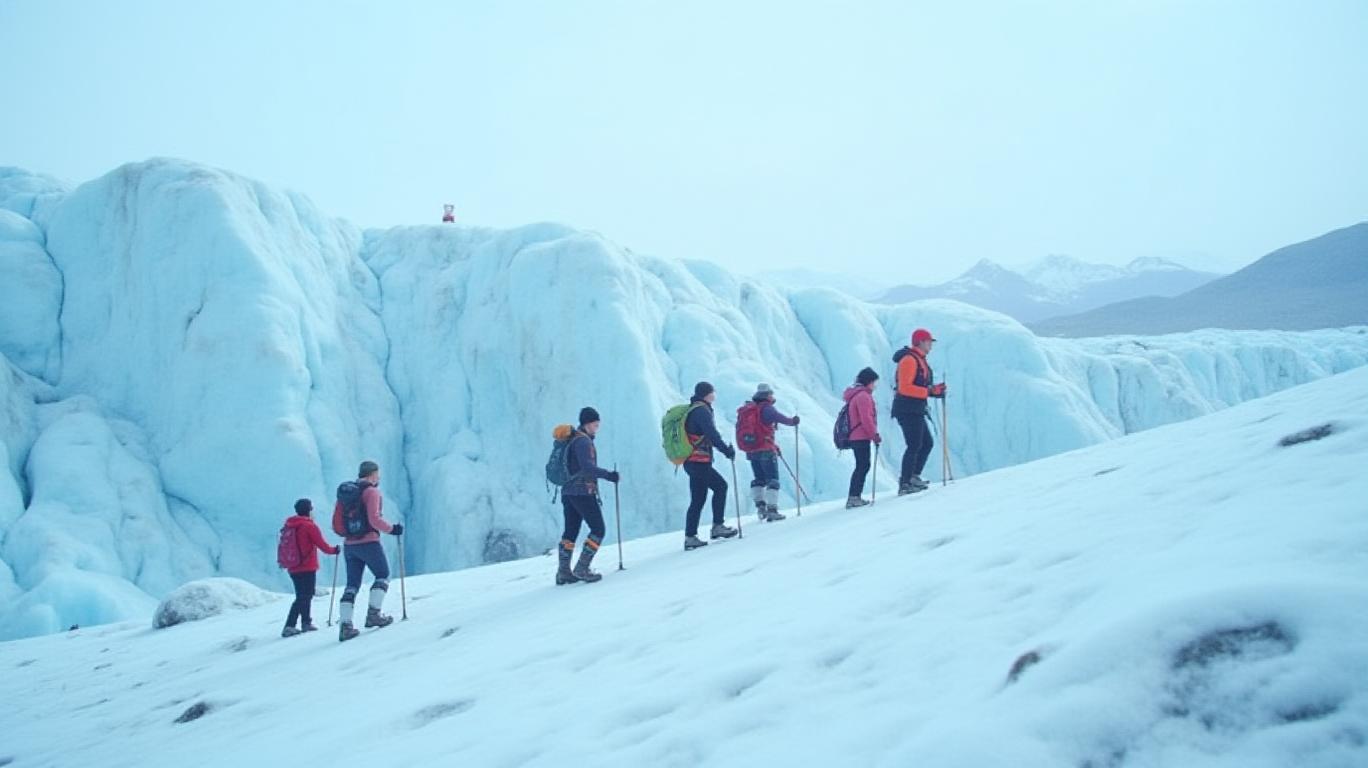
Greenland's unique Arctic landscape and experiences make it an attractive tourist destination. If Greenland were to become part of the U.S., it could potentially secure investment in tourism infrastructure, marketing support, and visa facilitation to boost its tourism industry. In exchange, Greenland could offer unique Arctic experiences and cultural exchange opportunities.
Despite the potential benefits, there are also significant drawbacks to consider. If Greenland were to become part of the U.S., it could potentially lose access to Danish subsidies, which currently cover over half of its public budget. This could lead to significant economic challenges for Greenland, as it would need to find alternative sources of funding to maintain public services and infrastructure.
Moreover, becoming part of the U.S. could create a new form of dependence for Greenland, replacing its current reliance on Denmark. This could limit Greenland's autonomy and decision-making power in economic and political matters.
In conclusion, Trump's proposal to acquire Greenland could potentially bring significant economic benefits to Greenlanders, such as increased investment, access to new markets, and a fair share of the profits from the extraction of its natural resources. However, it could also pose environmental and social concerns, as well as create a new form of dependence on the U.S. It is essential for Greenlanders to carefully consider these factors and engage in open dialogue with the U.S. and Denmark to ensure their interests are protected and that any potential acquisition or partnership aligns with their long-term goals and aspirations.
In a surprising turn of events, U.S. President Donald Trump has expressed his desire to acquire GreenlandGTEC-- from Denmark, claiming that it would be beneficial for both parties. Trump's proposal has sparked a heated debate, with some Greenlanders and Danes welcoming the idea, while others remain skeptical. This article explores the potential economic implications of Trump's proposal and whether it could indeed make Greenlanders rich.
Greenland's strategic location in the Arctic has drawn the attention of global powers, including the U.S. As climate change opens up new maritime routes, Greenland's importance as a gateway for international trade and military access grows. This strategic location could potentially bring significant economic benefits to Greenland, such as increased investment, infrastructure development, and access to new markets.
Greenland is rich in critical raw materials, such as rare earth elements, uranium, gold, oil, and natural gas. These resources are vital for the green energy transition and other technological advancements. If Greenland were to become part of the U.S., it could potentially secure a fair share of the profits from the extraction of these resources, as well as investment in local infrastructure, education, and environmental protection.
However, the exploitation of Greenland's natural resources could also pose environmental and social concerns, such as uranium mining, which has faced local opposition. Increased economic activity and investment could also lead to gentrification, displacement, and cultural erosion among Greenland's indigenous population.
Greenland's unique Arctic landscape and experiences make it an attractive tourist destination. If Greenland were to become part of the U.S., it could potentially secure investment in tourism infrastructure, marketing support, and visa facilitation to boost its tourism industry. In exchange, Greenland could offer unique Arctic experiences and cultural exchange opportunities.
Despite the potential benefits, there are also significant drawbacks to consider. If Greenland were to become part of the U.S., it could potentially lose access to Danish subsidies, which currently cover over half of its public budget. This could lead to significant economic challenges for Greenland, as it would need to find alternative sources of funding to maintain public services and infrastructure.
Moreover, becoming part of the U.S. could create a new form of dependence for Greenland, replacing its current reliance on Denmark. This could limit Greenland's autonomy and decision-making power in economic and political matters.
In conclusion, Trump's proposal to acquire Greenland could potentially bring significant economic benefits to Greenlanders, such as increased investment, access to new markets, and a fair share of the profits from the extraction of its natural resources. However, it could also pose environmental and social concerns, as well as create a new form of dependence on the U.S. It is essential for Greenlanders to carefully consider these factors and engage in open dialogue with the U.S. and Denmark to ensure their interests are protected and that any potential acquisition or partnership aligns with their long-term goals and aspirations.

Divulgación editorial y transparencia de la IA: Ainvest News utiliza tecnología avanzada de Modelos de Lenguaje Largo (LLM) para sintetizar y analizar datos de mercado en tiempo real. Para garantizar los más altos estándares de integridad, cada artículo se somete a un riguroso proceso de verificación con participación humana.
Mientras la IA asiste en el procesamiento de datos y la redacción inicial, un miembro editorial profesional de Ainvest revisa, verifica y aprueba de forma independiente todo el contenido para garantizar su precisión y cumplimiento con los estándares editoriales de Ainvest Fintech Inc. Esta supervisión humana está diseñada para mitigar las alucinaciones de la IA y garantizar el contexto financiero.
Advertencia sobre inversiones: Este contenido se proporciona únicamente con fines informativos y no constituye asesoramiento profesional de inversión, legal o financiero. Los mercados conllevan riesgos inherentes. Se recomienda a los usuarios que realicen una investigación independiente o consulten a un asesor financiero certificado antes de tomar cualquier decisión. Ainvest Fintech Inc. se exime de toda responsabilidad por las acciones tomadas con base en esta información. ¿Encontró un error? Reportar un problema


SOBRE NOSOTROS
Nuestra historiaAutores de noticiasBase de conocimientosPolítica de privacidadTérmino de usoDescargo de responsabilidad de corretaje de tercerosTérminos de uso de AIMEDivulgaciones de riesgos de AInvest AICarrerasCONTÁCTENOS
Email: support@ainvest.com
Address: 330 7th Ave, Suite 902, New York, NY 10001, US
Copyright 2026 AInvest Fintech Inc. All rights reserved.


Comentarios
Aún no hay comentarios