
Trump’s Deportations Upend a Town at Epicenter of Brazilian Migration
The town of Governador Valadares, nestled in Brazil’s mineral-rich state of Minas Gerais, has long been a microcosm of Brazil’s shifting relationship with global migration. For decades, its economy has thrived on the transnational dreams of its citizens, who emigrated en masse to the United States, sending remittances home that fueled local businesses and construction booms. But in 2025, President Donald Trump’s aggressive deportation policies have turned this dream into a crisis.
The Economic Lifeline Under Siege
Remittances from Brazil’s estimated 60,000 residents in the U.S.—a figure far exceeding official census data—were once the bedrock of Governador Valadares’ economy. Local officials claimed these transfers reached $2 million daily, though independent researchers argue the true figure is lower. Regardless of the exact sum, the flow of dollars supported construction, retail, and real estate. Now, Trump’s crackdowns have created uncertainty.
Deportations since 2024 have disrupted this cycle. Over 60,000 Brazilians have been sent back since Trump’s return to office, with Governador Valadares absorbing a disproportionate share. The town’s mayor, Sandro Fonseca, has launched reintegration programs, including job placement and psychological support. Yet the chilling effect is clear: coyote networks, once booming, now face declining demand as families fear detention.
The Human Cost of Geopolitical Shifts
The social toll is stark. Deportees like Gilmar Mesquita, returned after a failed sea voyage, describe a climate of fear: “Everything is stopped, no one wants to try.” Meanwhile, the stigma of failure haunts returnees, even as local leaders try to reframe their arrival as an opportunity.
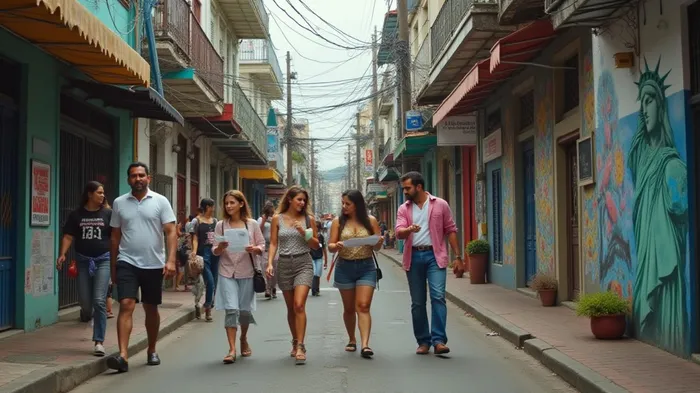
The town’s cultural identity—marked by American flags, Statue of Liberty-inspired mall decorations, and a generation of transnational families—now clashes with the reality of broken dreams. Younger residents, such as Ryan Alves, 19, voice disillusionment: “The new politics are too scary. Paying a coyote now feels like a gamble.”
Investment Implications: Risks and Opportunities
For investors, Governador Valadares exemplifies both vulnerability and resilience. Key considerations include:
- Remittance Dependency: A decline in remittances could strain local businesses. Retail and construction sectors, already slowing due to reduced consumer spending, may see further contraction.
- Policy Uncertainty: Brazil’s federal government, under President Lula, has criticized U.S. deportation practices but lacks leverage to halt them. Investors should monitor bilateral agreements and diplomatic tensions.
- Diversification Potential: The Nova Indústria Brazil policy (2024) aims to shift Brazil’s economy toward tech and sustainable industries. Governador Valadares’ mineral resources—particularly iron ore and gold—could position it as a supplier to emerging green tech supply chains.
Conclusion: A Crossroads for Migration-Driven Economies
Governador Valadares stands at a crossroads. Its reliance on U.S. migration has fueled growth but left it exposed to geopolitical whims. While deportation-related disruptions threaten short-term stability, the town’s mineral wealth and proximity to innovation hubs in Belo Horizonte offer long-term opportunities.
Investors should weigh the risks: a continued drop in remittances could weaken local consumer markets, while geopolitical friction with the U.S. may deter capital inflows. However, the push toward a sustainable economy under Nova Indústria Brazil opens avenues for investments in mining modernization, renewable energy, and tech infrastructure.
Crucially, the town’s fate hinges on whether Brazil can transform its migration-driven economy into one less reliant on transnational ties and more anchored in domestic innovation. For now, the answer lies in the balance between global headwinds and local resolve—a precarious equation with high stakes for this epicenter of migration.







Comentarios
Aún no hay comentarios