
Trump Again Calls for EU to Buy More US Energy to Avoid Tariffs
Generado por agente de IACyrus Cole
lunes, 20 de enero de 2025, 10:01 pm ET2 min de lectura
FOSL--
President-elect Donald Trump has once again called on the European Union (EU) to increase its purchases of American oil and gas, warning that failure to do so could result in the imposition of tariffs. In a post on Truth Social, Trump stated, "I told the European Union that they must make up their tremendous deficit with the United States by the large scale purchase of our oil and gas. Otherwise, it is TARIFFS all the way!!!" This latest threat comes as the EU continues to diversify its energy supplies in response to Russia's invasion of Ukraine and the weaponisation of energy.
The EU has been actively reducing its dependence on Russian fossil fuels, with imports of pipeline gas from Russia dropping from over 40% in 2021 to about 8% in 2023. The United States has emerged as a major supplier of crude oil to the EU, accounting for 18% of the bloc's crude imports in December 2023, according to Eurostat. However, Trump's tariff threats could disrupt this process and hinder the EU's efforts to secure alternative energy sources.
Trump's proposed tariffs, framed as measures to correct trade imbalances and protect US industries, have the potential to significantly reshape international trade relations and supply chains. The proposed 100% tariff on imported vehicles, for example, could significantly impact the affordability of electric vehicles (EVs) in the US market, potentially slowing adoption rates and hampering efforts to reduce transport emissions. This could lead to higher prices for consumers, contributing to inflation.
The proposed 10% universal tariff proposal would be the most damaging for European economies, even for countries less affected overall by the full set of proposals. Certain European sectors, particularly Germany’s automobile exports, would be disproportionately affected and may require targeted protective measures. Retaliatory measures by China or the EU would likely worsen economic outcomes for all parties involved, potentially sparking a damaging trade war.
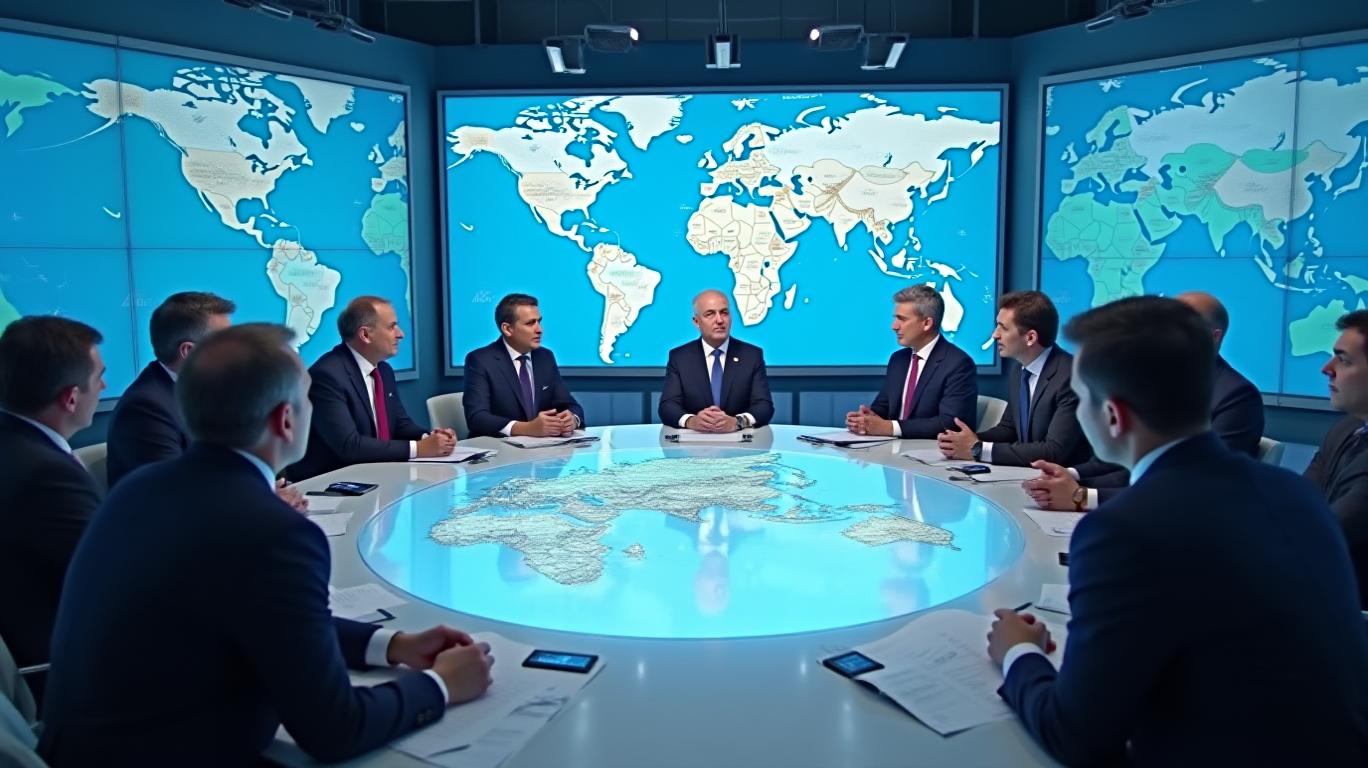
The EU's energy diversification efforts, particularly the increase in LNG imports from the US, will have significant long-term impacts on global energy market dynamics. The shift in global LNG trade flows, increased competition among LNG exporters, expansion of LNG import and regasification capacity, potential impacts on global gas prices, and strengthening of US-EU energy cooperation will all contribute to a more diversified and resilient global energy market.
However, Trump's tariff threats could have significant geopolitical implications, potentially reshaping energy policies and international trade dynamics. The disruption of energy security and diversification efforts, impacts on US energy exports, global energy market disruptions, the potential for a trade war, and impacts on US inflation are all potential consequences of Trump's tariff threats.
In conclusion, Trump's call for the EU to buy more US energy to avoid tariffs highlights the complex interplay between energy trade, tariff policies, and geopolitical dynamics. The EU's energy diversification efforts, while beneficial for global energy market dynamics, could be disrupted by Trump's tariff threats. To mitigate these risks, it is essential for the EU and the US to engage in constructive dialogue and work towards a mutually beneficial resolution.
UVV--
President-elect Donald Trump has once again called on the European Union (EU) to increase its purchases of American oil and gas, warning that failure to do so could result in the imposition of tariffs. In a post on Truth Social, Trump stated, "I told the European Union that they must make up their tremendous deficit with the United States by the large scale purchase of our oil and gas. Otherwise, it is TARIFFS all the way!!!" This latest threat comes as the EU continues to diversify its energy supplies in response to Russia's invasion of Ukraine and the weaponisation of energy.
The EU has been actively reducing its dependence on Russian fossil fuels, with imports of pipeline gas from Russia dropping from over 40% in 2021 to about 8% in 2023. The United States has emerged as a major supplier of crude oil to the EU, accounting for 18% of the bloc's crude imports in December 2023, according to Eurostat. However, Trump's tariff threats could disrupt this process and hinder the EU's efforts to secure alternative energy sources.
Trump's proposed tariffs, framed as measures to correct trade imbalances and protect US industries, have the potential to significantly reshape international trade relations and supply chains. The proposed 100% tariff on imported vehicles, for example, could significantly impact the affordability of electric vehicles (EVs) in the US market, potentially slowing adoption rates and hampering efforts to reduce transport emissions. This could lead to higher prices for consumers, contributing to inflation.
The proposed 10% universal tariff proposal would be the most damaging for European economies, even for countries less affected overall by the full set of proposals. Certain European sectors, particularly Germany’s automobile exports, would be disproportionately affected and may require targeted protective measures. Retaliatory measures by China or the EU would likely worsen economic outcomes for all parties involved, potentially sparking a damaging trade war.
The EU's energy diversification efforts, particularly the increase in LNG imports from the US, will have significant long-term impacts on global energy market dynamics. The shift in global LNG trade flows, increased competition among LNG exporters, expansion of LNG import and regasification capacity, potential impacts on global gas prices, and strengthening of US-EU energy cooperation will all contribute to a more diversified and resilient global energy market.
However, Trump's tariff threats could have significant geopolitical implications, potentially reshaping energy policies and international trade dynamics. The disruption of energy security and diversification efforts, impacts on US energy exports, global energy market disruptions, the potential for a trade war, and impacts on US inflation are all potential consequences of Trump's tariff threats.
In conclusion, Trump's call for the EU to buy more US energy to avoid tariffs highlights the complex interplay between energy trade, tariff policies, and geopolitical dynamics. The EU's energy diversification efforts, while beneficial for global energy market dynamics, could be disrupted by Trump's tariff threats. To mitigate these risks, it is essential for the EU and the US to engage in constructive dialogue and work towards a mutually beneficial resolution.

Divulgación editorial y transparencia de la IA: Ainvest News utiliza tecnología avanzada de Modelos de Lenguaje Largo (LLM) para sintetizar y analizar datos de mercado en tiempo real. Para garantizar los más altos estándares de integridad, cada artículo se somete a un riguroso proceso de verificación con participación humana.
Mientras la IA asiste en el procesamiento de datos y la redacción inicial, un miembro editorial profesional de Ainvest revisa, verifica y aprueba de forma independiente todo el contenido para garantizar su precisión y cumplimiento con los estándares editoriales de Ainvest Fintech Inc. Esta supervisión humana está diseñada para mitigar las alucinaciones de la IA y garantizar el contexto financiero.
Advertencia sobre inversiones: Este contenido se proporciona únicamente con fines informativos y no constituye asesoramiento profesional de inversión, legal o financiero. Los mercados conllevan riesgos inherentes. Se recomienda a los usuarios que realicen una investigación independiente o consulten a un asesor financiero certificado antes de tomar cualquier decisión. Ainvest Fintech Inc. se exime de toda responsabilidad por las acciones tomadas con base en esta información. ¿Encontró un error? Reportar un problema




Comentarios
Aún no hay comentarios