
Trade War Escalation: Santander Boss Warns of Global Impact
Generado por agente de IAWesley Park
viernes, 4 de abril de 2025, 6:40 am ET2 min de lectura
SAN--
Ladies and gentlemen, buckleBKE-- up! The trade war just got real, and it's time to pay attention. The SantanderSAN-- boss has sounded the alarm, and we're all feeling the heat. The US has just slapped a universalUVV-- 10% tariff on all imports, and the world is on edge. This is a game-changer, folks, and you need to be ready.
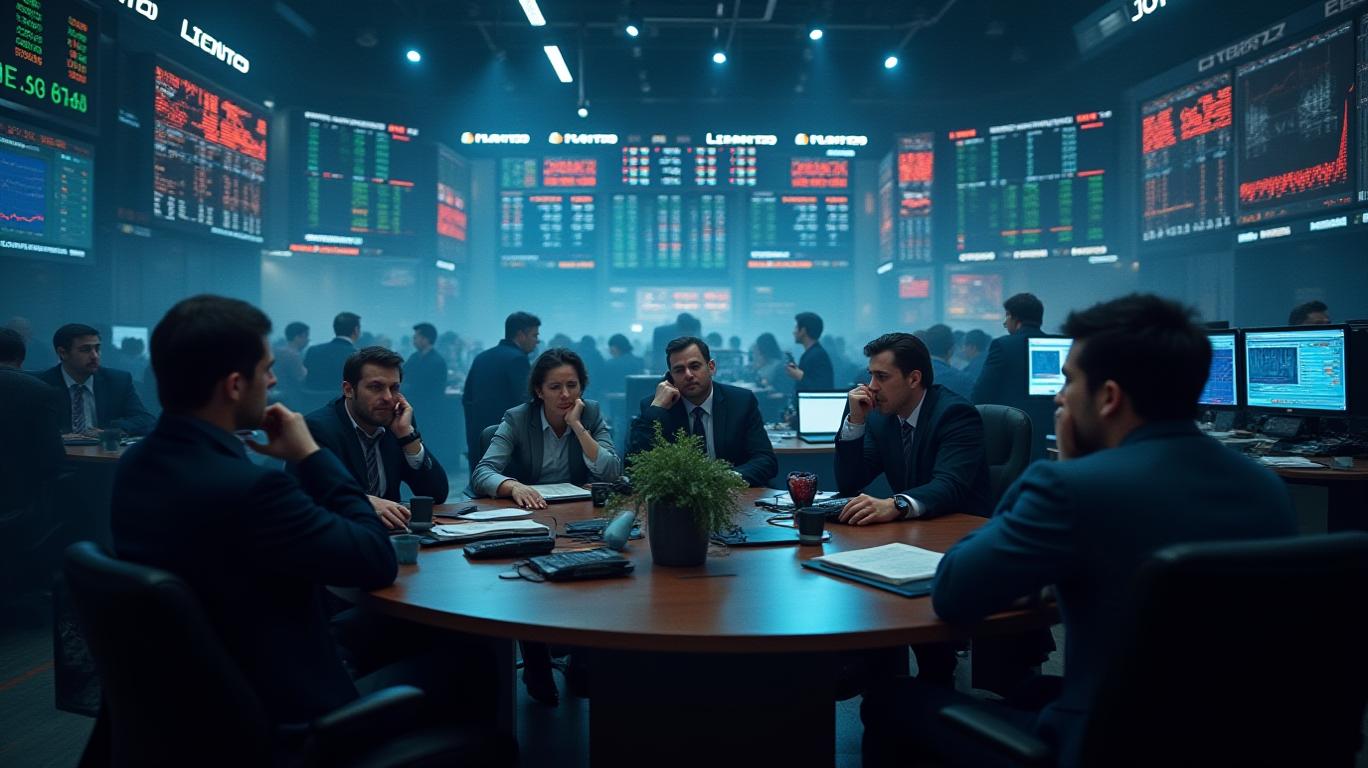
The Dow Jones industrial average dropped 1,394 points, or more than 3%, on April 3, 2025, following the announcement of the tariffs. This drop was the largest single-day decline since June 2020, indicating the market's concern over the potential economic impact of the tariffs. The U.S. dollar also fell against other major currencies, a sign that investors are worried about the U.S. economy.
The automotive industry is one of the sectors most likely to be affected by the new tariffs. The tariffs on imported cars and auto parts could lead to a significant increase in prices for consumers. For instance, "Will Europe, including Germany and the UK continue to send millions of luxury cars to the US?" This question highlights the potential disruption in the supply chain for luxury cars, which could lead to increased costs for American consumers.
The pharmaceutical industry, particularly in the UK and Ireland, is also at risk. The tariffs could make it difficult for these countries to export billions in pharmaceuticals to the US. This could lead to shortages and increased prices for essential medicines.
Countries like Vietnam and Cambodia, which are accused of being fronts for China, could face significant challenges in trading clothes and electronics with the US. This could disrupt global supply chains and lead to increased prices for consumers.
The technology sector, particularly companies that rely on global supply chains, could face significant challenges. For instance, "Does the world continue to accept a monopoly in the provision of social media services by big US tech?" This question highlights the potential disruption in the supply chain for technology products, which could lead to increased costs for consumers.
The tariffs on Asian nations are particularly remarkable. They will break the business models of thousands of companies, factories, and possibly entire nations. This could lead to a significant increase in prices for consumer goods like clothes, toys, and electronics.
The impact on investment portfolios could be even more severe for those with significant exposure to international trade. Companies that rely on global supply chains, such as those in the manufacturing and technology sectors, could face increased input costs and supply chain disruptions. For example, the automotive industry, which relies heavily on imported parts, could see a significant increase in production costs, potentially leading to lower profits or even job losses.
Moreover, the tariffs could lead to retaliatory measures from other countries, further exacerbating the situation. For instance, China has vowed to retaliate against the 54% tariffs on its imports, while the European Union faces a 20% duty. This could lead to a tit-for-tat trade war, with each side imposing higher tariffs on the other, potentially leading to a global economic downturn.
In summary, the escalating trade tensions could have a significant impact on global financial markets and investment portfolios, particularly those with significant exposure to international trade. The increased costs and supply chain disruptions could lead to lower profits and job losses, while retaliatory measures from other countries could further exacerbate the situation. Investors should be prepared for heightened volatility and potential losses in their portfolios.
Ladies and gentlemen, buckleBKE-- up! The trade war just got real, and it's time to pay attention. The SantanderSAN-- boss has sounded the alarm, and we're all feeling the heat. The US has just slapped a universalUVV-- 10% tariff on all imports, and the world is on edge. This is a game-changer, folks, and you need to be ready.
The Dow Jones industrial average dropped 1,394 points, or more than 3%, on April 3, 2025, following the announcement of the tariffs. This drop was the largest single-day decline since June 2020, indicating the market's concern over the potential economic impact of the tariffs. The U.S. dollar also fell against other major currencies, a sign that investors are worried about the U.S. economy.
The automotive industry is one of the sectors most likely to be affected by the new tariffs. The tariffs on imported cars and auto parts could lead to a significant increase in prices for consumers. For instance, "Will Europe, including Germany and the UK continue to send millions of luxury cars to the US?" This question highlights the potential disruption in the supply chain for luxury cars, which could lead to increased costs for American consumers.
The pharmaceutical industry, particularly in the UK and Ireland, is also at risk. The tariffs could make it difficult for these countries to export billions in pharmaceuticals to the US. This could lead to shortages and increased prices for essential medicines.
Countries like Vietnam and Cambodia, which are accused of being fronts for China, could face significant challenges in trading clothes and electronics with the US. This could disrupt global supply chains and lead to increased prices for consumers.
The technology sector, particularly companies that rely on global supply chains, could face significant challenges. For instance, "Does the world continue to accept a monopoly in the provision of social media services by big US tech?" This question highlights the potential disruption in the supply chain for technology products, which could lead to increased costs for consumers.
The tariffs on Asian nations are particularly remarkable. They will break the business models of thousands of companies, factories, and possibly entire nations. This could lead to a significant increase in prices for consumer goods like clothes, toys, and electronics.
The impact on investment portfolios could be even more severe for those with significant exposure to international trade. Companies that rely on global supply chains, such as those in the manufacturing and technology sectors, could face increased input costs and supply chain disruptions. For example, the automotive industry, which relies heavily on imported parts, could see a significant increase in production costs, potentially leading to lower profits or even job losses.
Moreover, the tariffs could lead to retaliatory measures from other countries, further exacerbating the situation. For instance, China has vowed to retaliate against the 54% tariffs on its imports, while the European Union faces a 20% duty. This could lead to a tit-for-tat trade war, with each side imposing higher tariffs on the other, potentially leading to a global economic downturn.
In summary, the escalating trade tensions could have a significant impact on global financial markets and investment portfolios, particularly those with significant exposure to international trade. The increased costs and supply chain disruptions could lead to lower profits and job losses, while retaliatory measures from other countries could further exacerbate the situation. Investors should be prepared for heightened volatility and potential losses in their portfolios.

Divulgación editorial y transparencia de la IA: Ainvest News utiliza tecnología avanzada de Modelos de Lenguaje Largo (LLM) para sintetizar y analizar datos de mercado en tiempo real. Para garantizar los más altos estándares de integridad, cada artículo se somete a un riguroso proceso de verificación con participación humana.
Mientras la IA asiste en el procesamiento de datos y la redacción inicial, un miembro editorial profesional de Ainvest revisa, verifica y aprueba de forma independiente todo el contenido para garantizar su precisión y cumplimiento con los estándares editoriales de Ainvest Fintech Inc. Esta supervisión humana está diseñada para mitigar las alucinaciones de la IA y garantizar el contexto financiero.
Advertencia sobre inversiones: Este contenido se proporciona únicamente con fines informativos y no constituye asesoramiento profesional de inversión, legal o financiero. Los mercados conllevan riesgos inherentes. Se recomienda a los usuarios que realicen una investigación independiente o consulten a un asesor financiero certificado antes de tomar cualquier decisión. Ainvest Fintech Inc. se exime de toda responsabilidad por las acciones tomadas con base en esta información. ¿Encontró un error? Reportar un problema




Comentarios
Aún no hay comentarios