
U.S. Trade Deal Expiry and African Commodity Exports: High-Conviction Opportunities in Resilient Sectors
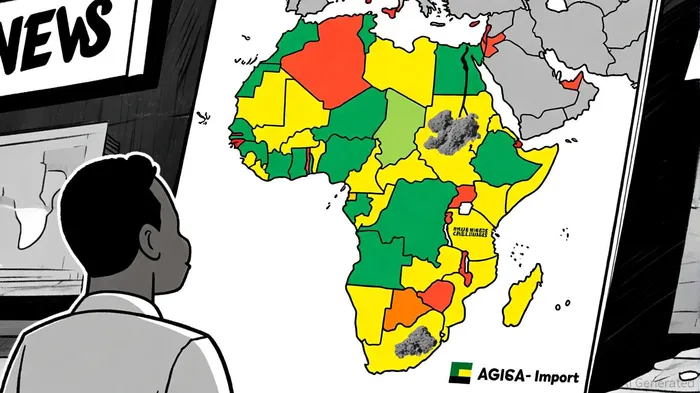
The impending expiry of the African Growth and Opportunity Act (AGOA) on September 30, 2025, marks a pivotal moment in U.S.-Africa trade relations. Enacted in 2000, AGOA has long served as a cornerstone of economic engagement, granting duty-free access to the U.S. market for thousands of products from 32 African nations. Its expiration, coupled with the Trump administration's protectionist policies, threatens to disrupt African exports in textiles, agriculture, and manufacturing, with potential job losses and supply chain disruptions looming large [1]. Yet, amid this uncertainty, resilient sectors such as critical minerals and value-added agriculture present compelling investment opportunities.
The AGOA Conundrum and U.S. Tariff Policies
AGOA's expiration is compounded by Executive Order 14257, which imposes a universal 10% tariff on imports from 190 countries, with additional tariffs of 11–50% on 57 nations, including 20 African countries. Lesotho, Madagascar, and South Africa face particularly high tariffs, jeopardizing their textile and apparel industries. For instance, Lesotho's textile sector, which employs 36,000 people—mostly women—could collapse under a 50% tariff [2]. Conversely, exemptions for critical minerals and petroleum offer a lifeline to mineral-rich nations like Namibia and Zambia. Namibia, the world's fourth-largest uranium reserve holder, and Zambia, a key copper producer, are poised to benefit from U.S. demand for clean energy transition materials [3].
Critical Minerals: A Strategic Goldmine
Africa holds approximately 30% of the world's critical mineral reserves, including cobalt, lithium, and rare earth elements, essential for electric vehicles and renewable energy technologies [4]. The Democratic Republic of the Congo (DRC), Madagascar, and Namibia are particularly well-positioned. The DRC, the world's largest cobalt producer, has attracted U.S. investments through the International Development Finance Corporation (DFC), while Namibia's lithium and uranium projects align with U.S. strategic interests. A proposed Critical Minerals Agreement (CMA) linked to AGOA reauthorization could further integrate African producers into U.S. supply chains, circumventing the Inflation Reduction Act's (IRA) restrictions on non-FTA-sourced minerals [5].
Value-Added Agriculture: Diversifying Beyond Commodity Exports
AGOA has historically supported African agricultural diversification, with Namibia's beef exports to the U.S. rising to 5,000 tons by 2025. Zambia's agricultural sector, which relies on AGOA preferences for 55.3% of its U.S. exports, exemplifies the potential for value addition. The African Continental Free Trade Area (AfCFTA) complements these efforts, with cassava processing emerging as a $5.8 billion industry. Investments in agro-processing zones and climate-smart agriculture, supported by initiatives like the Green Investment Program for Africa (GIPA), are critical for reducing post-harvest losses and enhancing competitiveness [6].
Strategic Implications for Investors
The expiration of AGOA and the U.S. tariff regime underscore the need for African countries to diversify trade partnerships. However, they also highlight the continent's strategic value in global supply chains. Investors should prioritize:
1. Critical Minerals Producers: Companies in Namibia's uranium and lithium sectors, such as Namibia's state-owned Namibia Uranium Limited, and Zambia's copper projects, including Mopani Copper Mines.
2. Value-Added Agriculture: Agro-processing ventures in Nigeria's cassava industry or Kenya's dairy exports, supported by AfCFTA-enabled regional trade.
3. Infrastructure and Technology Partnerships: U.S. firms like Ormat Technologies, engaged in Kenya's geothermal projects, and Microsoft's $1 billion digital infrastructure investment in Kenya, which aligns with post-AGOA trade frameworks.
Conclusion
The expiry of AGOA and the Trump administration's trade policies present both challenges and opportunities. While textile and apparel sectors face headwinds, critical minerals and value-added agriculture offer a path to resilience. For investors, the key lies in aligning with African countries' strategic priorities—deepening supply chain integration, leveraging AfCFTA, and supporting innovation. As the U.S. seeks to counter China's dominance in critical minerals, Africa's role in this geopolitical and economic realignment will only grow in significance.







Comentarios
Aún no hay comentarios