
TMICC's Post-Demerger Growth Potential: Strategic Positioning in a Resilient Global Ice Cream Market
The demerger of The Magnum Ice Cream Company (TMICC) from UnileverUL-- marks a pivotal moment in the global frozen desserts industry. As the newly independent entity prepares for its public listing on December 8, 2025, investors are keenly assessing its potential to capitalize on a market poised for sustained growth. With a projected global ice cream market size of USD 92 billion in 2025 and a compound annual growth rate (CAGR) of 5.7% through 2030, TMICC's strategic positioning as the world's largest standalone ice cream manufacturer-boasting a 21% global market share-positions it to benefit from both macroeconomic tailwinds and evolving consumer preferences.
A Market Driven by Premiumization and Innovation
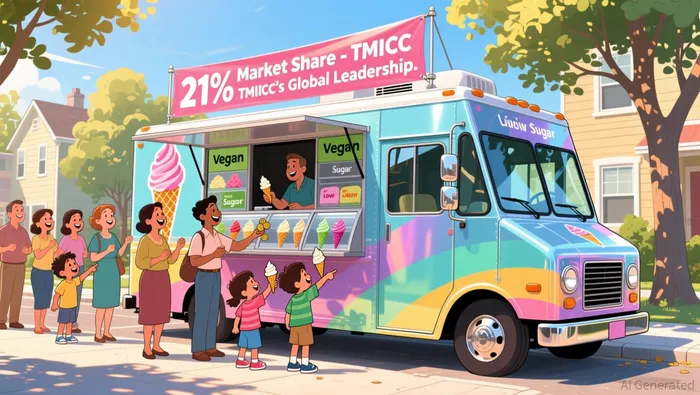
The global ice cream market is undergoing a transformation driven by three key trends: premiumization, health-conscious consumption, and sustainability. According to a report by Grand View Research, the market is expanding as consumers increasingly seek indulgent, high-quality products. This aligns with TMICC's portfolio of premium brands, including Magnum and Ben & Jerry's, which cater to demand for rich textures and unique flavors. Simultaneously, the rise of plant-based and low-sugar alternatives-highlighted by Intel Market Research as a critical growth driver-has been met by TMICC's product innovations, such as its Hydro:ICE line with functional ingredients and protein-enriched offerings under the Yasso brand.
Sustainability is another cornerstone of TMICC's strategy. As stated by Unilever in its demerger FAQ, the ice cream business operates under a distinct model requiring cold chain logistics and seasonal demand management. TMICC has responded by prioritizing eco-friendly packaging and ethical sourcing, a move that resonates with consumers increasingly prioritizing environmental impact. These initiatives not only align with market trends but also differentiate TMICC from competitors like Froneri, which holds 11% of the global market.
Strategic Expansion and Operational Efficiency
TMICC's growth strategy hinges on geographic expansion, product innovation, and cost optimization. The company aims to leverage its Wall's refreshments portfolio-brands like Solero and Twister-which have driven double-digit sales growth in Europe. In emerging markets, TMICC faces competition from local manufacturers in India and China, but its focus on premiumization and brand equity provides a buffer.
Financially, TMICC is well-positioned to fund its ambitions. A €3 billion bond sale in November 2025 and a €500 million productivity program through 2028 underscore its commitment to operational efficiency. These measures, combined with a target of 5–10% medium-term growth, suggest a disciplined approach to scaling while maintaining profitability. Unilever's 10% projected decline in net income post-demerger may also incentivize TMICC to prioritize margin expansion through volume growth and cost reductions.
Challenges and Competitive Dynamics
Despite its strengths, TMICC faces headwinds. Elevated cocoa prices and competition from emerging brands like Nuii, which targets the premium segment, could pressure profit margins. Additionally, the company's reliance on seasonal demand and cold chain logistics-unique to the ice cream industry-introduces operational risks. However, TMICC's robust brand portfolio and agility in responding to trends, such as its recent collaborations with Haribo and Minecraft, demonstrate its ability to adapt and innovate.
Conclusion: A Resilient Player in a Growing Market
TMICC's demerger represents more than a structural change; it is a strategic repositioning to capitalize on a resilient and expanding market. With a clear focus on premiumization, sustainability, and operational efficiency, the company is well-equipped to navigate challenges while leveraging growth drivers such as urbanization and rising disposable incomes in the Asia-Pacific region. As the global ice cream market is projected to reach USD 147.74 billion by 2030, TMICC's 21% market share and targeted investments position it as a compelling long-term investment.







Comentarios
Aún no hay comentarios