
Thai Industrial Sentiment Stumbles Amid Trade and Geopolitical Crosscurrents
The Thai industrial sentiment index fell in March 2025 for the first time in three months, reversing a streak that had reached a 20-month high in February. This decline, driven by a mix of U.S. trade policy uncertainties, intensifying global competitor dynamics, and geopolitical instability, underscores the fragility of Thailand’s export-dependent economy.
Trade Policy Risks Dominate the Outlook
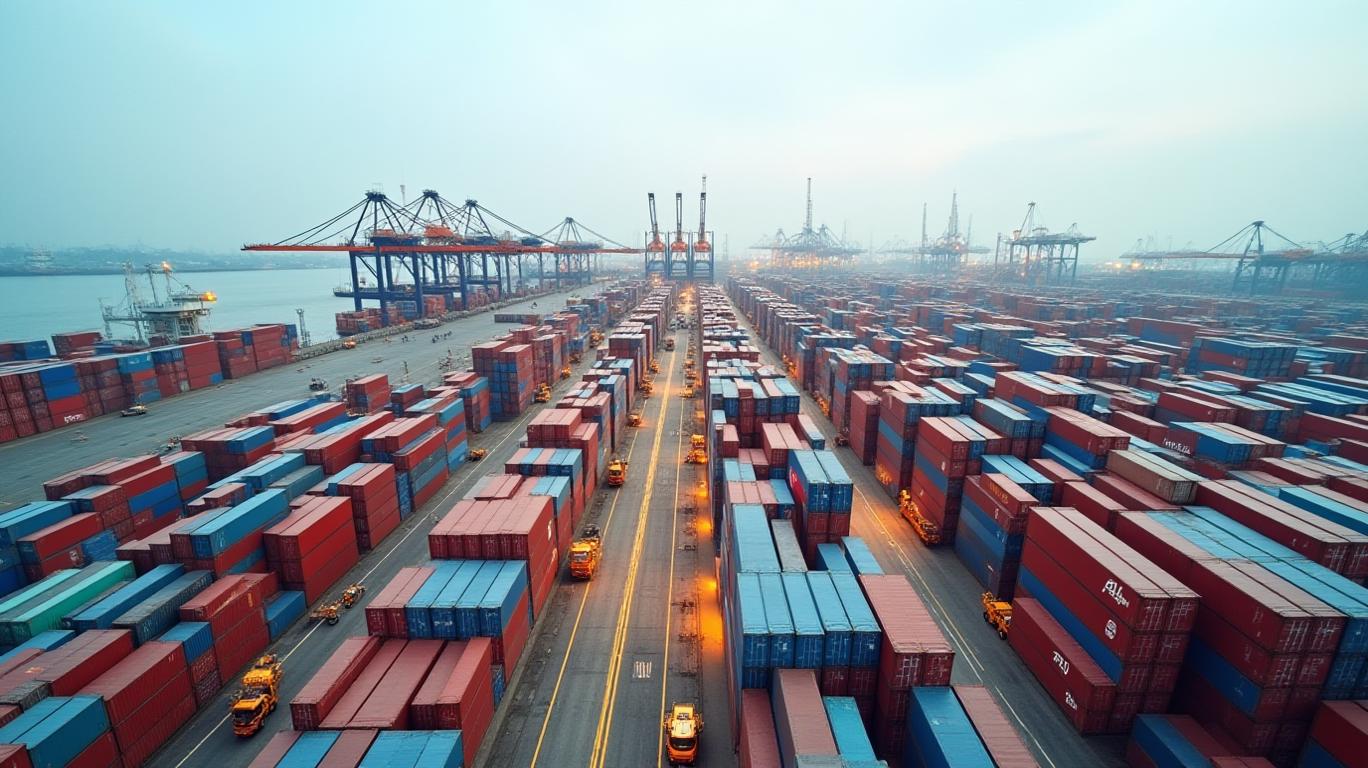
The U.S., Thailand’s largest export market (accounting for 18.3% of total exports in 2024), has become a critical uncertainty. A $35.4 billion bilateral trade surplus in 2024—ranked 11th globally by the U.S.—has placed Thailand under scrutiny. Postponed trade talks between Thai Prime Minister Paetongtarn Shinawatra and U.S. officials, coupled with lingering U.S. protectionist rhetoric, have fueled fears of retaliatory tariffs. A would reveal how this imbalance has grown, heightening risks for Thai exporters in automotive, electronics, and agricultural sectors.
Competitor Pressures Erode Export Competitiveness
Global markets are tightening for key Thai industries:
- Sugar: India’s pivot to ethanol production has diverted domestic sugar from global markets, reducing competition and limiting Thailand’s ability to capitalize on rising global demand. Meanwhile, Thailand’s own sugarcane production faces labor shortages and rising costs.
- Chicken: Post-bird flu recoveries in Brazil and the EU are reviving export capacity, while cheaper pork and beef—due to ASF recovery and trade deals—undermine demand for Thai chicken.
- Palm Oil: StemSTEM-- rot disease and government export restrictions are squeezing yields, while Indonesia’s CPO export duties further strain global supply chains.
Geopolitical and Geographical Risks
Thailand’s tourism sector, vital for its economy, faces its own challenges. Foreign arrivals in Q1 2025 grew by just 1.91% year-on-year, far below expectations. A highlights the paradox of declining visitor numbers (notably a 24% drop in Chinese arrivals) but rising revenue (+10.47%) due to higher spending from non-Chinese tourists. However, the Myanmar earthquake and border incidents have fueled safety concerns, deterring Chinese tourists—a critical market.
Domestic Policy and Structural Shifts
Thailand’s sugar tax and ethanol subsidy cuts further complicate matters. The E85 ethanol blend’s price hikes have reduced demand for gasohol, indirectly harming sugarcane and cassava industries. Meanwhile, overcapacity in palm oil processing and beverage sectors has intensified price wars, thinning margins.
Looking Ahead: Navigating Uncertainty
The outlook hinges on three key factors:
1. U.S. Trade Policy: If U.S.-Thailand trade talks resume, tariff risks could ease. A would show how policy changes could impact Thailand’s currency and exports.
2. Global Supply Chains: OPEC+ production decisions will influence oil prices, critical for Thailand’s refining and transport sectors.
3. Tourism Recovery: The Thai Tourism Authority’s target of 39-40 million arrivals annually remains ambitious without sustained Chinese tourist flows.
Conclusion: A Fragile Equilibrium
Thailand’s industrial sector faces a precarious balance between domestic resilience and external headwinds. While sectors like automotive and beverages still benefit from government stimulus (e.g., pickup truck credit guarantees), the broader decline in sentiment reflects systemic risks. The March data—a drop from a 20-month high—signals that without swift resolution to U.S. trade tensions, competitor recovery, and tourism stability, Thailand’s growth could stagnate. Investors should prioritize sectors with domestic demand resilience (e.g., healthcare, infrastructure) and remain cautious on export-heavy industries until global trade uncertainties subside.
The path forward demands agile policymaking and diversification. As Thailand’s 2024 trade surplus with the U.S. stands at a record high, the stakes for diplomatic and economic agility have never been higher.







Comentarios
Aún no hay comentarios