
US Tariffs: A Global Economic Time Bomb
Generado por agente de IAEdwin Foster
viernes, 4 de abril de 2025, 2:58 am ET4 min de lectura
The world economy stands on the precipice of a monumental shift, as the United States has announced a sweeping tariff policy that threatens to reshape global trade dynamics. The new tariffs, set to take effect on April 5, 2025, include a 10% baseline tariff on all imports and higher reciprocal tariffs on specific countries, with some reaching as high as 50%. This policy, championed by President Donald Trump, aims to address what he perceives as unfair trade practices and large trade deficits. However, the economic consequences of these tariffs could be catastrophic, potentially slowing global growth significantly and plunging the world into a trade war.
The impact of these tariffs on the world economy will be huge. They can be measured by the lines on a chart of US tariff revenue jumping to levels not seen in a century - beyond those seen during the high protectionism of the 1930s.Or in the coming stock market bloodbath, especially in Asia.But the true measure of these changes will be significant changes to long-standing global avenues of trade.Will Europe, including Germany and the UK continue to send millions of luxury cars to the US?Will Britain and Ireland be able to export billions in pharmaceuticals with these levels of tariffs?Will Vietnam and Cambodia be able to trade clothes and electronics with the US, after being accused of essentially being a front for China?At its heart this is a universal tariff of 10% on all imports into the US for everyone, coming in on Friday night. On top of that dozens of "worst offenders" will be charged reciprocally for having trade surpluses.The tariffs on Asian nations are truly remarkable. They will break the business models of thousands of companies, factories, and possibly entire nations.Some of the supply chains created by the world's biggest companies will be broken instantly. The inevitable impact will surely be to push them towards China.
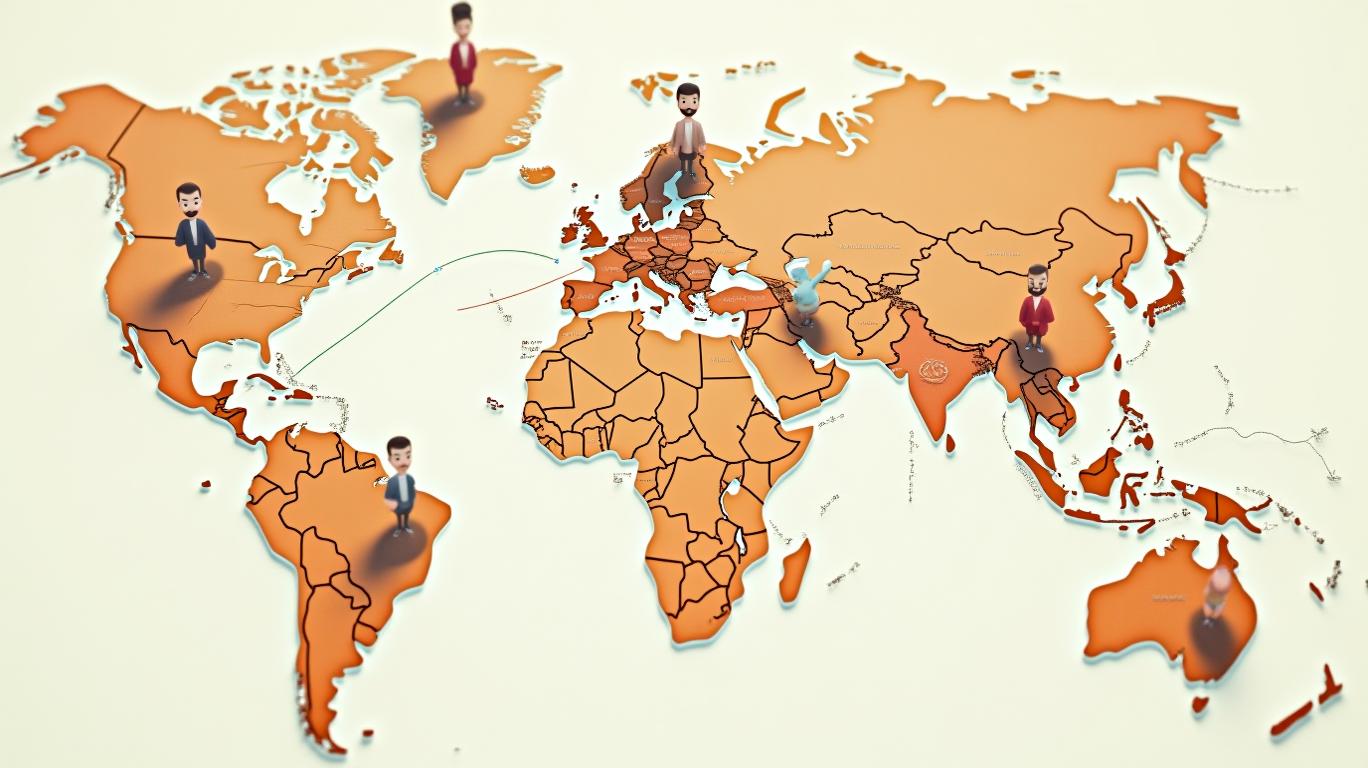
The new tariffs are likely to disrupt global supply chains, as businesses will need to navigate increased costs and potential delays. Companies that rely heavily on imports from affected countries may face significant operational challenges. For instance, the automotive sector, which is already grappling with a 25% automobile tariff taking effect April 3, may see further disruptions. The increased costs of imported components and finished vehicles could lead to higher prices for consumers and reduced demand. Companies in this sector may need to reassess their supply chains and consider sourcing components from countries with lower tariffs or even relocating production facilities to the US to avoid the tariffs.
Similarly, the electronics sector, which relies heavily on imports from countries like China, Vietnam, and Cambodia, will face significant challenges. The tariffs on Asian nations are particularly high, with some reaching 30% or 40%, which will break the business models of thousands of companies and factories. Companies in this sector may need to explore alternative sourcing options, such as shifting production to countries with lower tariffs or investing in domestic manufacturing capabilities.
The potential economic consequences for countries like Vietnam and Cambodia, which have been accused of being fronts for Chinese trade, are significant. The new tariffs imposed by the U.S. could disrupt their supply chains and increase the cost of doing business, particularly in sectors like clothing and electronics. For instance, the tariffs on Asian nations are described as "truly remarkable" and are expected to "break the business models of thousands of companies, factories, and possibly entire nations" (Information). This disruption could force these countries to reassess their trade policies and potentially seek new markets or diversify their export destinations.
One adaptation strategy for Vietnam and Cambodia could be to focus on regional integration and open trade within Asia. The information highlights that "the recent shift observed in foreign direct investment (FDI) in strategic sectors away from the PRC and toward other Asian economies, especially in Southeast Asia, is likely to be reinforced" (Information). This suggests that these countries could attract more FDI by positioning themselves as alternative manufacturing hubs, thereby mitigating the impact of U.S. tariffs.
Additionally, Vietnam and Cambodia could explore trade agreements with other countries to gain exemptions from U.S. tariffs. The information notes that "economies with trade agreements with the US will benefit if they are exempt from US tariff increases while tariffs are imposed on their competitors without such trade agreements" (Information). By negotiating trade agreements, these countries could potentially avoid the higher tariffs and maintain their export competitiveness.
Furthermore, these countries could invest in developing their domestic industries to reduce reliance on imports and exports. This could involve promoting local manufacturing, improving infrastructure, and enhancing workforce skills. By doing so, Vietnam and Cambodia could build more resilient economies that are less vulnerable to external trade shocks.
The economic impact of these tariffs will not be limited to the countries directly affected. The global economy is deeply interconnected, and disruptions in one region can have ripple effects worldwide. For example, the increased costs of imported goods could lead to higher prices for consumers in the US, potentially reducing consumer spending and slowing economic growth. Additionally, the tariffs could lead to retaliatory measures from other countries, creating a cycle of protectionism that could further destabilize global trade.
The potential for a global trade war is real, and the consequences could be dire. The last time the world saw such high levels of protectionism was during the Great Depression, when the Smoot-Hawley Tariff Act of 1930 led to a collapse in global trade and a deepening of the economic crisis. The current tariffs, if implemented, could have a similar effect, leading to a slowdown in global growth and potentially plunging the world into a recession.
The world must choose: cooperation or collapse. The current tariff policy is a declaration of economic independence, but it is also a declaration of economic war. The US administration justifies these tariffs as a response to duties and other non-tariff barriers placed on US goods by other countries. The goal is to level the playing field in trade and bring strategically vital manufacturing capabilities back to the United States. However, many economists and business leaders warn of negative consequences, including higher prices for consumers, reduced competitiveness for US businesses, and a slowdown in global trade.
The world economy is at a crossroads, and the choices made today will shape its future. The US tariffs risk slowing global growth significantly, and the potential for a trade war is real. The world must come together to find a solution that promotes free and fair trade, rather than protectionism and isolationism. The future of the global economy depends on it.



Divulgación editorial y transparencia de la IA: Ainvest News utiliza tecnología avanzada de Modelos de Lenguaje Largo (LLM) para sintetizar y analizar datos de mercado en tiempo real. Para garantizar los más altos estándares de integridad, cada artículo se somete a un riguroso proceso de verificación con participación humana.
Mientras la IA asiste en el procesamiento de datos y la redacción inicial, un miembro editorial profesional de Ainvest revisa, verifica y aprueba de forma independiente todo el contenido para garantizar su precisión y cumplimiento con los estándares editoriales de Ainvest Fintech Inc. Esta supervisión humana está diseñada para mitigar las alucinaciones de la IA y garantizar el contexto financiero.
Advertencia sobre inversiones: Este contenido se proporciona únicamente con fines informativos y no constituye asesoramiento profesional de inversión, legal o financiero. Los mercados conllevan riesgos inherentes. Se recomienda a los usuarios que realicen una investigación independiente o consulten a un asesor financiero certificado antes de tomar cualquier decisión. Ainvest Fintech Inc. se exime de toda responsabilidad por las acciones tomadas con base en esta información. ¿Encontró un error? Reportar un problema




Comentarios
Aún no hay comentarios