
Surge Energy's Decade-Long Growth and Sustainability Strategy as a Catalyst for Future Silver-Linked Energy Opportunities
Surge Energy's Sustainability Strategy: A Foundation for Long-Term Growth
Surge Energy's 2025 Corporate Sustainability Report underscores its progress in reducing environmental impact while advancing energy transition goals. The company achieved zero employee recordable injuries for four consecutive years and recycled 95% of water used in operations, conserving over 7 billion gallons since 2017. Additionally, it eliminated 408,000 metric tons of CO2e through emissions-reducing infrastructure and decommissioned 56 wells in 2024. These efforts reflect a disciplined approach to operational efficiency and environmental stewardship, which are critical for long-term resilience in a carbon-constrained world.
Surge Energy's commitment to sustainability is further reinforced by tying 45% of variable employee compensation to sustainability performance. Such alignment of incentives ensures that environmental goals remain central to the company's strategic priorities. By integrating ESG metrics into its corporate governance, Surge Energy not only mitigates regulatory and reputational risks but also positions itself to attract capital from impact-focused investors.
The Role of Silver in the Energy Transition: A Structural Bottleneck
While Surge Energy does not directly use silver in its operations, the broader energy transition it supports is inextricably linked to the metal. Silver is a critical input for solar photovoltaic (PV) panels, electric vehicles (EVs), and advanced battery storage systems. 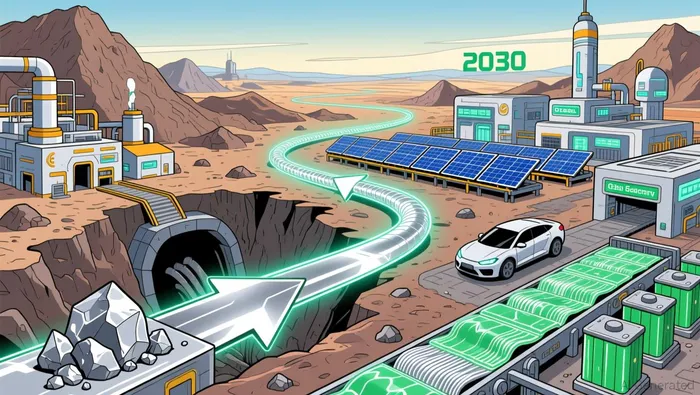 In 2024 alone, solar panel production consumed 232 million ounces of silver, with each megawatt of installed solar capacity requiring 2,000–3,000 ounces. Similarly, EVs require approximately one troy ounce of silver per unit, double the amount used in conventional vehicles.
The surge in demand has outpaced supply, creating a structural deficit. By 2025, the silver market is projected to face a 206 million-ounce shortfall, driven by inelastic production (70% of silver is a byproduct of base metal mining) and rising industrial demand. This imbalance has pushed silver prices above $44 per ounce in late 2025, prompting solar manufacturers to innovate with thinner silver lines and hybrid metal formulations to reduce costs. Despite these efforts, the long-term demand outlook for silver remains robust, particularly as governments and corporations scale renewable energy infrastructure.
Surge Energy's Indirect Exposure to Silver-Linked Technologies
Surge Energy's involvement in energy transition projects, such as its partnership with HyperStrong and LEAG Clean Power to develop a 1.6 GWh battery storage system in Germany, illustrates its contribution to the infrastructure that relies on silver. The GigaBattery Boxberg 400 project, part of LEAG's GigawattFactory concept, integrates photovoltaic and wind generation with flexible storage and hydrogen-ready power plants. While the project itself does not specify silver usage, the broader battery storage and renewable energy sectors are heavily dependent on the metal for conductive materials and high-efficiency components.
Moreover, Surge Energy's focus on reducing diesel use in frac fleets (60% compressed natural gas consumption) aligns with the global shift toward cleaner energy systems. This transition indirectly supports the demand for silver in technologies such as hydrogen production and grid-scale storage, where the metal's unique conductive properties are indispensable.
Strategic Partnerships and the Future of Energy Innovation
Surge Energy's collaborations with companies like HyperStrong highlight the importance of global partnerships in advancing energy transition goals. Such alliances are critical for scaling technologies that require resource-intensive inputs like silver. While Surge Energy has not directly partnered with silver-linked manufacturers, its role in expanding renewable energy capacity and storage infrastructure ensures that it remains a beneficiary of the structural demand for silver.
Investors should also consider the geopolitical and macroeconomic factors shaping the silver market. As inflation uncertainty persists and institutional investment in silver ETPs surges, the metal's dual role as an industrial and monetary asset enhances its appeal. Surge Energy's strategic focus on sustainable operations and energy transition aligns with the broader trend of capital flows toward real assets and resource-linked opportunities.
Conclusion: A Convergence of Sustainability and Commodity Dynamics
Surge Energy's decade-long growth and sustainability strategy position it as a key player in the energy transition. While the company does not directly utilize silver, its investments in renewable energy and battery storage projects are inextricably tied to the metal's structural demand. As the global economy pivots toward decarbonization, the interplay between energy innovation and resource-linked commodities like silver will become increasingly significant. For investors, Surge Energy represents a compelling case study of how sustainability-driven strategies can create indirect exposure to critical resources, offering long-term value in a rapidly evolving market.







Comentarios
Aún no hay comentarios