
Stabilizing Geopolitics in Iraq: A Catalyst for Energy Sector Opportunities
The geopolitical landscape of Iraq has long been a flashpoint for regional tensions, with its oil reserves at the heart of global energy markets. Recent signals of U.S. military and diplomatic posturing—including partial embassy evacuations—have raised concerns about destabilization. Yet beneath the surface, a confluence of strategic adjustments and geopolitical recalibration suggests a path toward stability. For investors, this presents a critical inflection point: reduced geopolitical risk in Iraq could unlock significant value in energy assets, from oil production to refining and infrastructure plays.
Geopolitical Dynamics: A Fragile Equilibrium
The U.S. decision to evacuate non-essential personnel from its Baghdad embassy, alongside warnings from Iran of potential strikes on American bases, underscores the volatile interplay between Tehran and Washington. However, the Iraqi government's push to balance U.S. military presence with domestic security needs reveals a nuanced strategy to avoid being drawn into a broader conflict. Key to this is the U.S. plan to maintain approximately 2,500 troops in Iraq through 2026, with a focus on countering both ISIS and Iran-backed militias.
The Security Council's scrutiny of Iraq's transition—marked by the phased closure of the UNAMI mission—adds another layer of oversight. While Iran-aligned groups like Kataib Hezbollah continue to pose localized threats, Baghdad's insistence on extending U.S. military support and its negotiations to disarm militias signal a desire to stabilize the country. This balancing act, though fraught, reduces the likelihood of a full-scale collapse in security, a critical precondition for sustained oil production growth.
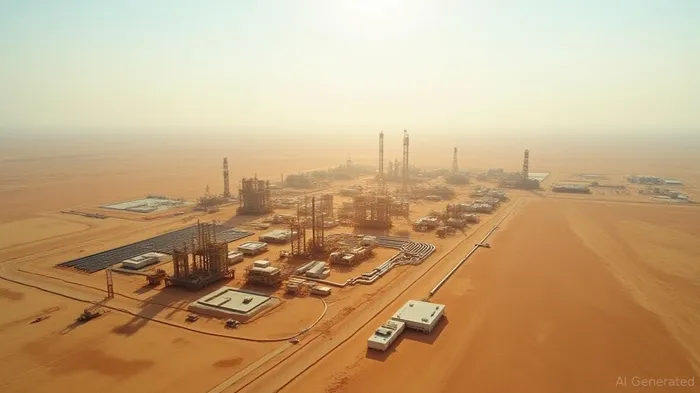
Impact on Oil Markets: The Swing Producer's Resurgence
Iraq's status as OPEC's second-largest producer—boasting 145 billion barrels of proven reserves—makes its stability a linchpin for global oil supply. Current production hovers around 4.5 million barrels per day (bpd), but the National Oil Company (INOC) has long-term targets to reach 10 million bpd by 2030. A stable security environment would unlock projects like the Halfaya and West Qurna fields, which remain underdeveloped due to past unrest.
The implications for oil markets are twofold:
1. Supply Growth: A stable Iraq could add 1–2 million bpd to global supply over the next five years, easing reliance on Russia and the U.S. shale sector. This could weigh on oil prices, potentially pushing Brent crude toward $70–$80 per barrel by late 2026, down from recent $85 levels.
2. Geopolitical Premium Reduction: Persistent U.S.-Iran tensions have historically inflated oil prices by $5–$10 per barrel due to fears of supply disruptions. A de-escalation would erode this premium, benefiting consumers but pressuring energy equities.
For investors, the near-term opportunity lies in refining and infrastructure plays, which could benefit from higher throughput and lower crude costs.
Investment Opportunities: Timing the Energy Cycle
1. Oil Majors with Iraqi Exposure: Companies like ExxonMobil (XOM) and Chevron (CVX), which hold production-sharing agreements in Iraq's southern fields, stand to gain from increased output. Their shares have underperformed broader markets in 2025 due to inflation and demand uncertainty, but a stabilization could catalyze rebounds.
- Refining Sector: Lower oil prices and higher Iraqi crude exports (which are typically sour, requiring complex refining) could boost margins for refiners like Valero (VLO) and Phillips 66 (PSX). Their ability to process heavier crudes at scale positions them to capitalize on supply diversification.
Energy Infrastructure: Firms involved in pipeline construction, port upgrades, or LNG terminals—such as Kinder Morgan (KMI) or companies with stakes in the Basra oil terminal—could benefit from Iraq's infrastructure modernization plans.
ETF Plays: The Energy Select Sector SPDR Fund (XLE), which holds a basket of energy equities, offers broad exposure to the sector's recovery.
Risks and Considerations
While the trajectory toward stability is encouraging, risks persist:
- Political Volatility: Iraq's fractured political system and Kurdish-Baghdad tensions could delay agreements on resource sharing.
- Iran's Calculus: A failed nuclear deal could reignite hostilities, though recent U.S. overtures suggest a preference for diplomacy.
- Global Demand: A recession in China or Europe could dampen oil demand, offsetting supply gains.
Conclusion: Positioning for a Post-Tension Era
The absence of full-scale evacuation orders and the U.S. military's phased drawdown suggest a managed approach to Iraq's security, not an abandonment. For investors, this is a “buy the dip” moment: energy assets have been pressured by macroeconomic fears, but a stabilization in Iraq's geopolitical landscape could unlock significant upside. Focus on refining and infrastructure plays now, while maintaining a watchlist on oil majors and ETFs for entry points as crude prices settle lower. The path to energy sector recovery in 2026 hinges on Iraq's ability to keep the pumps—and the peace—flowing.







Comentarios
Aún no hay comentarios