
Special Economic Zone: A Beacon of Job Creation and Economic Growth
Generado por agente de IAEdwin Foster
martes, 7 de enero de 2025, 8:33 pm ET1 min de lectura
GAP--
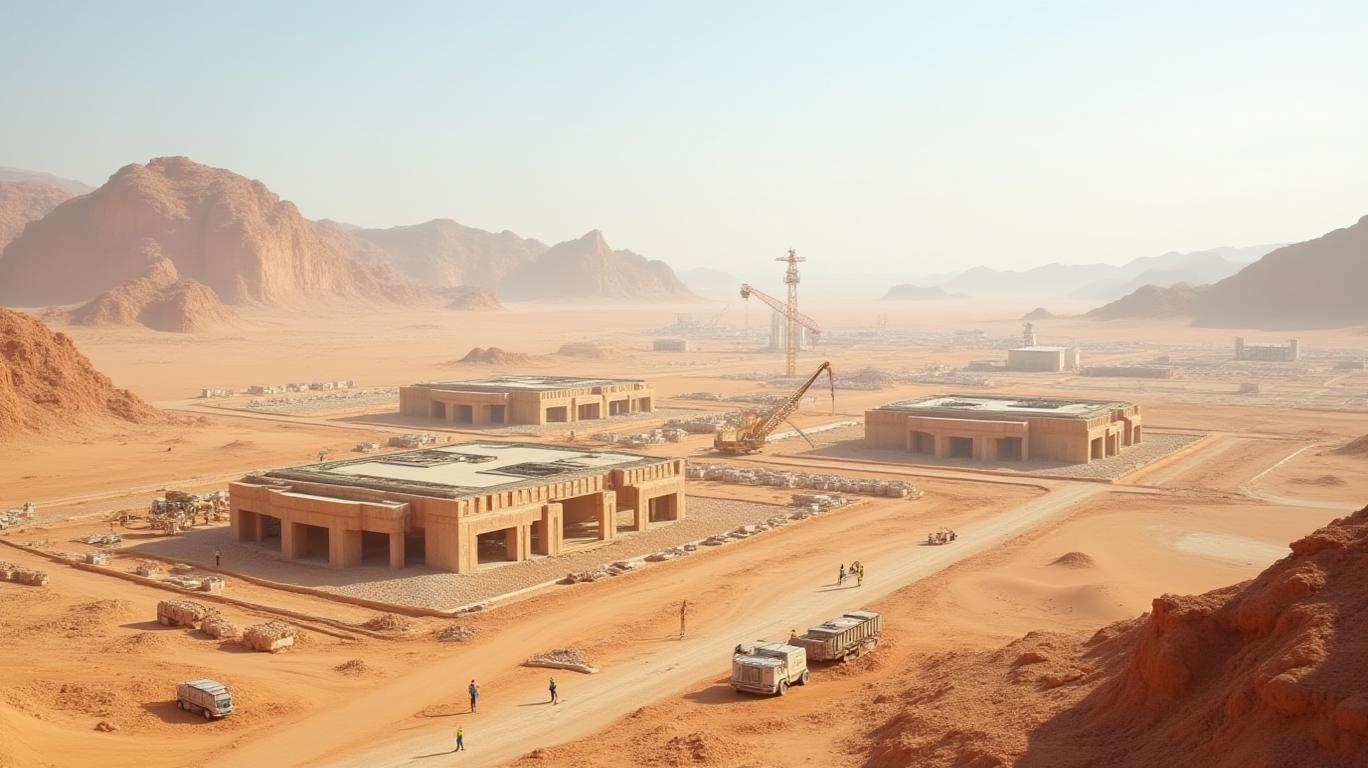
In a significant development, a Special Economic Zone (SEZ) is set to create 20,000 jobs in its first five years of operation. This ambitious project, aimed at fostering economic growth and development, is expected to transform the region's landscape and contribute to the country's overall prosperity.
The SEZ, a designated area with more liberal laws and economic policies, is designed to attract both domestic and foreign investments, promote industrialization, and boost exports. By offering favorable business policies, streamlined regulations, and infrastructure development, the SEZ aims to create a conducive environment for businesses to thrive and generate employment opportunities.
The SEZ's job creation strategy addresses the skills gap and workforce development through various initiatives. Vocational training institutes, technical schools, and research centers within the SEZs encourage skill development and human capital formation. These institutions provide training in specialized skills required by the industries operating in the SEZs, enabling the local workforce to meet the demands of these sectors. Additionally, the presence of SEZs attracts talent from other regions or countries, creating a pool of skilled professionals and fostering knowledge transfer.
To ensure that the local population can benefit from the new employment opportunities, the SEZ implements initiatives such as targeted recruitment, affordable housing, and education and training programs. These initiatives help to mitigate regional disparities and reduce the urban-rural divide, ensuring that the local population can benefit from the new employment opportunities created by the SEZs.
The SEZ's job creation potential is significant compared to other economic development initiatives in the region. For instance, the Shenzhen SEZ in China transformed a small fishing village into a global manufacturing hub, employing millions of people. This success can be attributed to the unique advantages SEZs offer, such as favorable business policies, streamlined regulations, and infrastructure development. These advantages attract both domestic and foreign investments, leading to increased production, exports, and job creation.
Infrastructure development and investment play a pivotal role in facilitating job creation within SEZs. Adequate infrastructure, such as roads, ports, and utilities, enables the smooth operation of industries and attracts investments, leading to increased employment opportunities. To address potential infrastructure bottlenecks, governments can allocate resources and provide incentives for infrastructure development within SEZs, collaborate with private sector partners to co-finance and co-develop infrastructure projects, and adopt innovative financing mechanisms such as green bonds.
In conclusion, the Special Economic Zone set to create 20,000 jobs in its first five years is a testament to the power of SEZs in driving economic growth and job creation. By addressing the skills gap, fostering workforce development, and implementing initiatives to ensure the local population benefits from new employment opportunities, the SEZ is poised to become a beacon of prosperity and progress in the region.
In a significant development, a Special Economic Zone (SEZ) is set to create 20,000 jobs in its first five years of operation. This ambitious project, aimed at fostering economic growth and development, is expected to transform the region's landscape and contribute to the country's overall prosperity.
The SEZ, a designated area with more liberal laws and economic policies, is designed to attract both domestic and foreign investments, promote industrialization, and boost exports. By offering favorable business policies, streamlined regulations, and infrastructure development, the SEZ aims to create a conducive environment for businesses to thrive and generate employment opportunities.
The SEZ's job creation strategy addresses the skills gap and workforce development through various initiatives. Vocational training institutes, technical schools, and research centers within the SEZs encourage skill development and human capital formation. These institutions provide training in specialized skills required by the industries operating in the SEZs, enabling the local workforce to meet the demands of these sectors. Additionally, the presence of SEZs attracts talent from other regions or countries, creating a pool of skilled professionals and fostering knowledge transfer.
To ensure that the local population can benefit from the new employment opportunities, the SEZ implements initiatives such as targeted recruitment, affordable housing, and education and training programs. These initiatives help to mitigate regional disparities and reduce the urban-rural divide, ensuring that the local population can benefit from the new employment opportunities created by the SEZs.
The SEZ's job creation potential is significant compared to other economic development initiatives in the region. For instance, the Shenzhen SEZ in China transformed a small fishing village into a global manufacturing hub, employing millions of people. This success can be attributed to the unique advantages SEZs offer, such as favorable business policies, streamlined regulations, and infrastructure development. These advantages attract both domestic and foreign investments, leading to increased production, exports, and job creation.
Infrastructure development and investment play a pivotal role in facilitating job creation within SEZs. Adequate infrastructure, such as roads, ports, and utilities, enables the smooth operation of industries and attracts investments, leading to increased employment opportunities. To address potential infrastructure bottlenecks, governments can allocate resources and provide incentives for infrastructure development within SEZs, collaborate with private sector partners to co-finance and co-develop infrastructure projects, and adopt innovative financing mechanisms such as green bonds.
In conclusion, the Special Economic Zone set to create 20,000 jobs in its first five years is a testament to the power of SEZs in driving economic growth and job creation. By addressing the skills gap, fostering workforce development, and implementing initiatives to ensure the local population benefits from new employment opportunities, the SEZ is poised to become a beacon of prosperity and progress in the region.

Divulgación editorial y transparencia de la IA: Ainvest News utiliza tecnología avanzada de Modelos de Lenguaje Largo (LLM) para sintetizar y analizar datos de mercado en tiempo real. Para garantizar los más altos estándares de integridad, cada artículo se somete a un riguroso proceso de verificación con participación humana.
Mientras la IA asiste en el procesamiento de datos y la redacción inicial, un miembro editorial profesional de Ainvest revisa, verifica y aprueba de forma independiente todo el contenido para garantizar su precisión y cumplimiento con los estándares editoriales de Ainvest Fintech Inc. Esta supervisión humana está diseñada para mitigar las alucinaciones de la IA y garantizar el contexto financiero.
Advertencia sobre inversiones: Este contenido se proporciona únicamente con fines informativos y no constituye asesoramiento profesional de inversión, legal o financiero. Los mercados conllevan riesgos inherentes. Se recomienda a los usuarios que realicen una investigación independiente o consulten a un asesor financiero certificado antes de tomar cualquier decisión. Ainvest Fintech Inc. se exime de toda responsabilidad por las acciones tomadas con base en esta información. ¿Encontró un error? Reportar un problema


SOBRE NOSOTROS
Nuestra historiaAutores de noticiasBase de conocimientosPolítica de privacidadTérmino de usoDescargo de responsabilidad de corretaje de tercerosTérminos de uso de AIMEDivulgaciones de riesgos de AInvest AICarrerasCONTÁCTENOS
Email: support@ainvest.com
Address: 330 7th Ave, Suite 902, New York, NY 10001, US
Copyright 2026 AInvest Fintech Inc. All rights reserved.


Comentarios
Aún no hay comentarios