
SpaceX's Coastal Struggles: Regulatory Hurdles and Investment Risks
The rapid expansion of SpaceX’s Starbase facility in South Texas has become a microcosm of the broader tensions between technological ambition and environmental stewardship. While the company’s recent legal victory in securing a Texas Commission on Environmental Quality (TCEQ) permit to dismiss an environmental lawsuit appears to ease immediate regulatory pressure, the battle over beach access and operational autonomy remains far from settled. This article examines how ongoing legal and regulatory challenges could impact SpaceX’s ability to scale its operations—and what this means for investors.
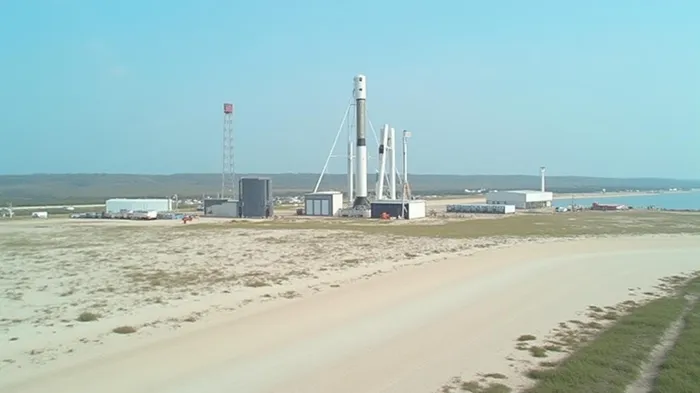
The Legal Landscape: A Temporary Truce, Not a Victory
On April 24, 2025, the environmental group Save RGV voluntarily dismissed its lawsuit alleging that SpaceX’s activities at Starbase violated the Clean Water Act. The dismissal hinged on the TCEQ’s issuance of a permit addressing the group’s concerns—a decision Save RGV’s board member Jim Chapman called “a strategic pause, not a surrender.” While this ruling temporarily alleviates SpaceX’s legal exposure, the group retains the right to refile claims, and separate lawsuits over wastewater discharge permits (seeking to block 200,000 gallons of treated water daily into the bay) and TCEQ’s regulatory decisions remain active.
The broader legal environment is equally fraught. In April 2025, the FAA proposed a $633,000 fine against SpaceX for violating launch licenses during two Falcon 9 missions, adding to a $175,000 penalty in 2023. Meanwhile, the National Labor Relations Board (NLRB) and SpaceX are locked in a constitutional battle over the agency’s structure, with potential implications for regulatory oversight nationwide.
Operational Risks: Delays, Costs, and Public Perception
SpaceX’s Starbase ambitions—projected to host up to 25 launches annually—rely on seamless access to Boca Chica Beach and minimal regulatory interference. However, the TCEQ permit victory comes amid legislative and local governance disputes. A proposed Texas Senate bill (SB 1839) would grant SpaceX’s proposed city of Starbase authority over weekday beach closures, a move opposed by Cameron County officials who argue it cedes public control to a corporate entity.
The stakes are high. Delays in resolving beach access disputes could hinder SpaceX’s ability to conduct routine tests and launches, while ongoing environmental lawsuits risk operational interruptions. For example, the FAA’s environmental review delays for Starship test flights have already caused months-long holdups, with one mission awaiting clearance into late 2024.
Investment Implications: Balancing Innovation and Risk
SpaceX’s valuation—estimated at $137 billion as of 2023—rests on its capacity to scale Starship launches and secure government contracts (e.g., NASA’s Artemis program). However, the regulatory and legal hurdles outlined above introduce material risks:
- Cost Overruns: Penalties and litigation expenses could eat into margins. The $5.5 million EPA fine in 2023 for wastewater violations alone represents a significant financial burden for a company already facing multibillion-dollar development costs.
- Operational Delays: FAA licensing bottlenecks and environmental reviews threaten to prolong launch delays, potentially undermining SpaceX’s ability to meet its 25-launch-per-year goal.
- Reputational Damage: Public opposition to Starbase’s encroachment on coastal ecosystems, amplified by lawsuits, could deter partnerships with environmentally conscious investors or governments.
Conclusion: A High-Reward, High-Risk Proposition
SpaceX’s potential remains undeniable, with its Starship system poised to revolutionize space exploration and satellite deployment. However, the company’s Texas operations are increasingly entangled in a web of regulatory and legal battles that could delay growth, inflate costs, and strain public trust.
Investors must weigh SpaceX’s technological prowess against these mounting risks. The cumulative fines since 2020—now exceeding $6.3 million—highlight the financial toll of regulatory pushback. Meanwhile, the unresolved wastewater permit dispute and legislative showdowns over beach access underscore the fragility of SpaceX’s operational blueprint.
For now, the Starbase saga exemplifies the broader challenge of balancing innovation with environmental and community accountability. While SpaceX’s long-term vision may still triumph, the path ahead is littered with obstacles that could deter all but the most risk-tolerant investors.
In conclusion, SpaceX’s investment appeal hinges on its ability to navigate these regulatory minefields without sacrificing its ambitious timelines. Until then, the company’s coastal struggles serve as a cautionary tale for investors seeking exposure to high-flying ventures grounded in Earthly complexities.







Comentarios
Aún no hay comentarios