
Samsung's AI Apology: A Wake-Up Call or Too Little, Too Late?
Generado por agente de IAHarrison Brooks
martes, 18 de marzo de 2025, 11:15 pm ET2 min de lectura
TSM--
In the high-stakes world of semiconductor technology, Samsung Electronics Co. has found itself in the hot seat once again. The South Korean tech giant, once a titan in the AI chip market, has been forced to issue a public apology for its underwhelming performance in the rapidly evolving AI semiconductor landscape. This isn't the first time Samsung has had to eat humble pie; it's the second public apology in just five months. The question on everyone's mind is: will this wake-up call be enough to steer Samsung back on track, or is it too little, too late?
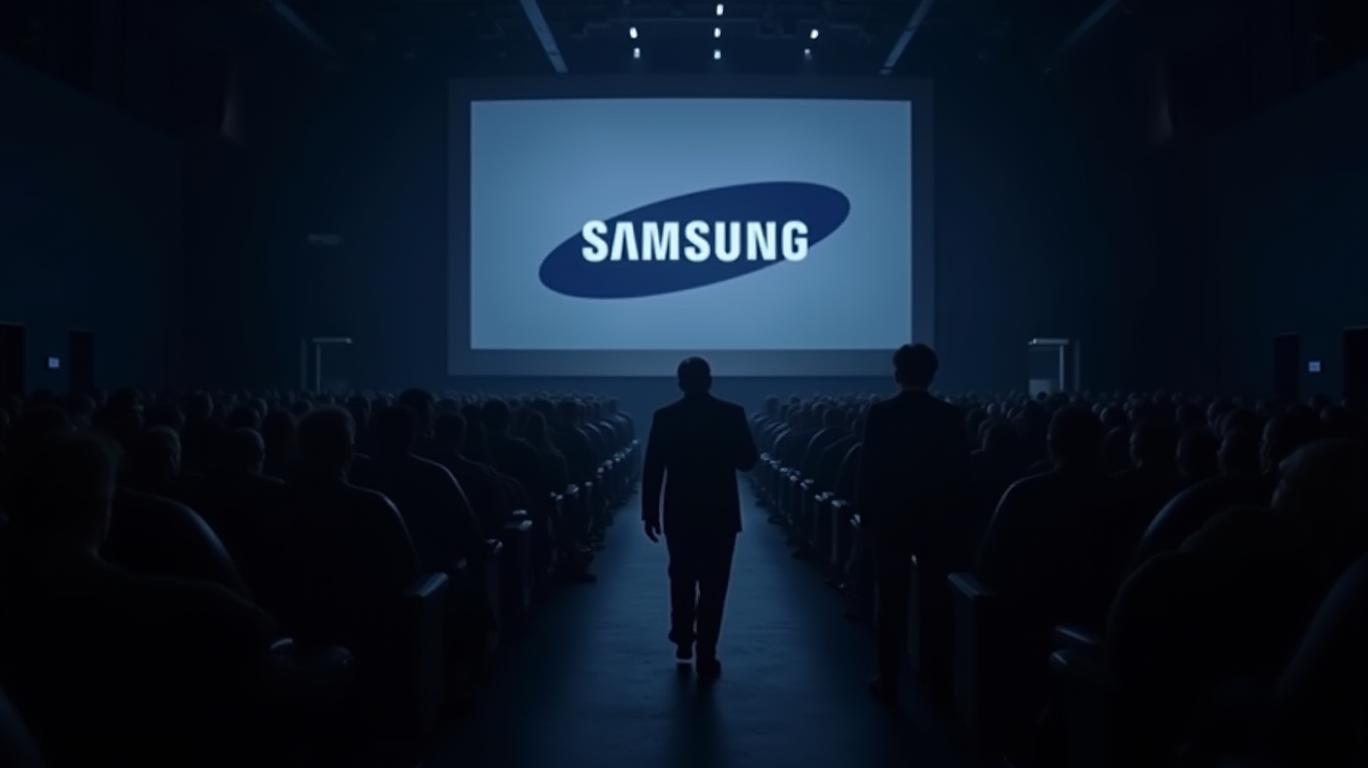
The company's co-CEO, Han Jong-hee, took the stage at Samsung's annual shareholder meeting in Suwon, South Korea, and delivered a stark message: "First and foremost, I sincerely apologize for the recent stock performance not meeting your expectations. Over the past year, our company failed to adequately respond to the rapidly evolving AI semiconductor market." This admission of failure is a rare occurrence for a company that has long been synonymous with innovation and technological prowess.
But the apology is just the beginning. Samsung has pledged bold moves to recover lost ground in AI and chip dominance. The company plans to adjust its supply chain strategy in response to global trade dynamics, including U.S. tariffs, and pursue "meaningful" mergers and acquisitions to spark growth. These initiatives are a clear indication that Samsung is aware of the challenges it faces and is willing to take drastic measures to address them.
However, the road to redemption won't be easy. Samsung has lost ground to rivals like SK Hynix and Taiwan Semiconductor Mfg. Co. Ltd. (TSMC) in key semiconductor segments, especially high-bandwidth memory (HBM) chips used by Nvidia CorporationNVDA-- for AI applications. The company's stock has tumbled by nearly a third last year, while SK Hynix's shares climbed 26%. This stark contrast highlights the magnitude of the challenge Samsung faces.
The company's struggles are not just a result of market dynamics but also a reflection of its own internal challenges. Samsung has acknowledged that it has lost its technological edge, particularly in HBMHBM-- chips. The company is now focusing on driving big innovation and tackling new challenges to regain its technological leadership. But the question remains: can Samsung pull off this turnaround, or will it continue to lag behind its competitors?
The proposed mergers and acquisitions (M&A) strategy comes with its own set of risks and challenges. Integrating new technologies and cultures from acquired companies can be complex and time-consuming. Samsung's past efforts to close the gapGAP-- with TSMCTSM-- in foundry business have been costly and yearslong, indicating the challenges of integrating new technologies. Additionally, there is a risk of overpaying for acquisitions, which could strain Samsung's financial resources and impact its profitability.
Moreover, the success of M&A depends on the strategic fit and synergy between the acquiring and acquired companies. Samsung's recent struggles in the AI semiconductor market and its lag in high-bandwidth memory (HBM) chips used by Nvidia for AI applications indicate that it may face challenges in finding the right acquisitions to drive growth. The competitive landscape could make it difficult for Samsung to find acquisitions that will provide the desired growth and profitability.
In conclusion, Samsung's apology and proposed initiatives are a clear indication that the company is aware of the challenges it faces and is willing to take drastic measures to address them. However, the road to redemption won't be easy, and the success of these initiatives is not guaranteed. Samsung will need to navigate these challenges carefully to achieve its goals and regain its competitive edge in the AI semiconductor market. The world is watching, and the stakes have never been higher.
In the high-stakes world of semiconductor technology, Samsung Electronics Co. has found itself in the hot seat once again. The South Korean tech giant, once a titan in the AI chip market, has been forced to issue a public apology for its underwhelming performance in the rapidly evolving AI semiconductor landscape. This isn't the first time Samsung has had to eat humble pie; it's the second public apology in just five months. The question on everyone's mind is: will this wake-up call be enough to steer Samsung back on track, or is it too little, too late?
The company's co-CEO, Han Jong-hee, took the stage at Samsung's annual shareholder meeting in Suwon, South Korea, and delivered a stark message: "First and foremost, I sincerely apologize for the recent stock performance not meeting your expectations. Over the past year, our company failed to adequately respond to the rapidly evolving AI semiconductor market." This admission of failure is a rare occurrence for a company that has long been synonymous with innovation and technological prowess.
But the apology is just the beginning. Samsung has pledged bold moves to recover lost ground in AI and chip dominance. The company plans to adjust its supply chain strategy in response to global trade dynamics, including U.S. tariffs, and pursue "meaningful" mergers and acquisitions to spark growth. These initiatives are a clear indication that Samsung is aware of the challenges it faces and is willing to take drastic measures to address them.
However, the road to redemption won't be easy. Samsung has lost ground to rivals like SK Hynix and Taiwan Semiconductor Mfg. Co. Ltd. (TSMC) in key semiconductor segments, especially high-bandwidth memory (HBM) chips used by Nvidia CorporationNVDA-- for AI applications. The company's stock has tumbled by nearly a third last year, while SK Hynix's shares climbed 26%. This stark contrast highlights the magnitude of the challenge Samsung faces.
The company's struggles are not just a result of market dynamics but also a reflection of its own internal challenges. Samsung has acknowledged that it has lost its technological edge, particularly in HBMHBM-- chips. The company is now focusing on driving big innovation and tackling new challenges to regain its technological leadership. But the question remains: can Samsung pull off this turnaround, or will it continue to lag behind its competitors?
The proposed mergers and acquisitions (M&A) strategy comes with its own set of risks and challenges. Integrating new technologies and cultures from acquired companies can be complex and time-consuming. Samsung's past efforts to close the gapGAP-- with TSMCTSM-- in foundry business have been costly and yearslong, indicating the challenges of integrating new technologies. Additionally, there is a risk of overpaying for acquisitions, which could strain Samsung's financial resources and impact its profitability.
Moreover, the success of M&A depends on the strategic fit and synergy between the acquiring and acquired companies. Samsung's recent struggles in the AI semiconductor market and its lag in high-bandwidth memory (HBM) chips used by Nvidia for AI applications indicate that it may face challenges in finding the right acquisitions to drive growth. The competitive landscape could make it difficult for Samsung to find acquisitions that will provide the desired growth and profitability.
In conclusion, Samsung's apology and proposed initiatives are a clear indication that the company is aware of the challenges it faces and is willing to take drastic measures to address them. However, the road to redemption won't be easy, and the success of these initiatives is not guaranteed. Samsung will need to navigate these challenges carefully to achieve its goals and regain its competitive edge in the AI semiconductor market. The world is watching, and the stakes have never been higher.

Divulgación editorial y transparencia de la IA: Ainvest News utiliza tecnología avanzada de Modelos de Lenguaje Largo (LLM) para sintetizar y analizar datos de mercado en tiempo real. Para garantizar los más altos estándares de integridad, cada artículo se somete a un riguroso proceso de verificación con participación humana.
Mientras la IA asiste en el procesamiento de datos y la redacción inicial, un miembro editorial profesional de Ainvest revisa, verifica y aprueba de forma independiente todo el contenido para garantizar su precisión y cumplimiento con los estándares editoriales de Ainvest Fintech Inc. Esta supervisión humana está diseñada para mitigar las alucinaciones de la IA y garantizar el contexto financiero.
Advertencia sobre inversiones: Este contenido se proporciona únicamente con fines informativos y no constituye asesoramiento profesional de inversión, legal o financiero. Los mercados conllevan riesgos inherentes. Se recomienda a los usuarios que realicen una investigación independiente o consulten a un asesor financiero certificado antes de tomar cualquier decisión. Ainvest Fintech Inc. se exime de toda responsabilidad por las acciones tomadas con base en esta información. ¿Encontró un error? Reportar un problema


SOBRE NOSOTROS
Nuestra historiaAutores de noticiasBase de conocimientosPolítica de privacidadTérmino de usoDescargo de responsabilidad de corretaje de tercerosTérminos de uso de AIMEDivulgaciones de riesgos de AInvest AICarrerasCONTÁCTENOS
Email: support@ainvest.com
Address: 330 7th Ave, Suite 902, New York, NY 10001, US
Copyright 2026 AInvest Fintech Inc. All rights reserved.


Comentarios
Aún no hay comentarios