
Royal Caribbean's New Legend of the Seas and the Future of Family-Focused Cruise Travel
A New Benchmark for Family-Centric Innovation
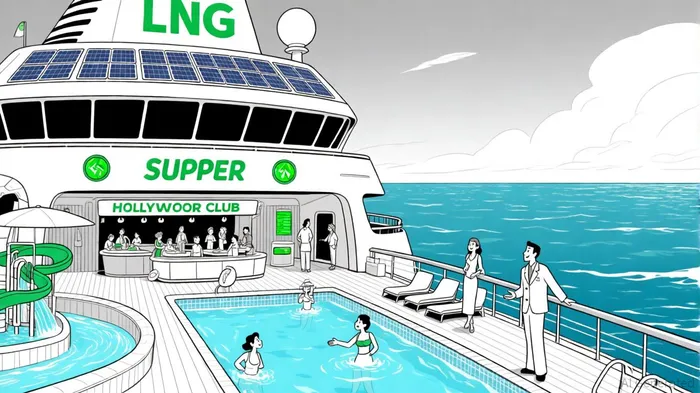
The Legend of the Seas, the third vessel in Royal Caribbean's Icon Class, represents a quantum leap in cruise ship design. With a gross tonnage of 250,800 GT and capacity for up to 7,600 passengers, it is engineered to cater to the diverse needs of modern families. Its standout features include the Hollywoodland Supper Club, a multi-course dining experience evoking the golden age of Hollywood, and Royal Railway – Legend Station, a five-course culinary journey inspired by the Silk Routes, according to a Royal Caribbean press release. These innovations are not mere novelties; they are calculated responses to a demographic shift in cruise passengers, with Millennials and Gen Z now accounting for nearly half of Royal Caribbean's guests, according to a Royal Caribbean Blog post.
The ship's focus on adventure and relaxation further underscores its appeal. Crown's Edge, a high-adrenaline waterpark, and the Hideaway infinity pool cater to thrill-seekers and those seeking tranquility, while Broadway-style performances like Charlie and the Chocolate Factory ensure intergenerational engagement, as noted in the press release. Such offerings align with a broader consumer trend: discretionary income is increasingly allocated to travel experiences rather than material goods, a point the Royal Caribbean Blog post also highlights. Royal Caribbean's ability to monetize these preferences-through premium pricing for unique experiences and higher onboard spending-translates directly into revenue growth.
Strategic Alignment with Sector Recovery and Consumer Behavior
The leisure travel sector's recovery in 2025 has been fueled by strong consumer sentiment, high wages, and surplus savings, all of which have bolstered demand for premium travel experiences, as observed in the Royal Caribbean Blog post. Royal Caribbean has capitalized on this by leveraging digital innovation. Its AI-driven yield management systems optimize pricing, while a unified loyalty ecosystem-where 40% of bookings originate-encourages repeat travel and deeper customer engagement, according to another Royal Caribbean blog post. App bookings, for instance, have doubled in 2025, reflecting the company's success in digitizing the customer journey, the blog reported.
The Legend of the Seas is a natural extension of this strategy. Early booking data for its inaugural Mediterranean season, which begins in July 2026, reveals robust demand: guests originally booked on the August 2 sailing were offered the option to transfer to earlier July departures, with suite guests receiving price protection, according to a Royal Caribbean Blog report. Such flexibility, combined with the ship's early delivery-accelerated due to faster-than-expected construction-demonstrates Royal Caribbean's agility in meeting peak summer demand. The ship's projected contribution to revenue is further amplified by its role in expanding the company's high-yield inventory, including private destinations and new itineraries, as the press release outlines.
Sustainability as a Competitive Edge
Royal Caribbean's commitment to sustainability is not merely a public relations exercise but a strategic differentiator. The Legend of the Seas is powered by liquefied natural gas (LNG), reducing emissions by up to 20% compared to traditional fuels. It also incorporates waste heat recovery systems and shore power connections, aligning with the growing demand for eco-conscious travel, details the press release. These innovations resonate with a younger demographic that prioritizes environmental responsibility, ensuring the company's relevance in an increasingly regulated and values-driven market.
Financially, sustainability initiatives have proven to be a boon. The company's LNG-powered fleet has attracted premium pricing, while its $1 billion share repurchase program and 36% dividend increase in 2025 underscore confidence in its long-term cash flow generation, according to the Royal Caribbean blog post. Royal Caribbean's 2024 revenue of $16.48 billion-a 18.56% increase from 2023-attests to the effectiveness of this dual strategy: combining environmental stewardship with profitability, as stated in the press release.
Long-Term Value Creation and Market Positioning
The Legend of the Seas is part of a broader fleet expansion plan that includes nine new ships over the next three years. This pipeline, coupled with investments in private destinations like CocoCay in the Bahamas, ensures a steady stream of revenue growth. The company's CEO, Jason Liberty, has emphasized the importance of AI and digital innovation in creating personalized, seamless experiences-factors that will drive customer loyalty and pricing power in the coming years, as covered in a Skift profile.
Moreover, Royal Caribbean's loyalty program, which accounts for 40% of bookings, is a critical driver of long-term value. Loyal customers spend 25% more per trip than non-members, and cross-brand bookings have surged following the introduction of status matching across the company's brands, the Royal Caribbean blog post notes. This "commercial flywheel" effect-where each cruise deepens customer investment in the Royal Caribbean ecosystem-ensures sustained revenue streams even as macroeconomic uncertainties persist.
Conclusion
Royal Caribbean's Legend of the Seas is more than a vessel; it is a testament to the company's ability to anticipate and shape the future of family-focused travel. By harmonizing innovation, sustainability, and digital engagement, Royal Caribbean is not only capturing the current wave of sector recovery but also building a resilient foundation for long-term value creation. As the leisure travel sector continues to evolve, the company's strategic investments-both in ships and in customer relationships-position it as a formidable leader in an industry where the seas of opportunity are as vast as the oceans they traverse.







Comentarios
Aún no hay comentarios