
Rising Memory Costs and Their Ripple Effect on Tech Manufacturing and Consumer Electronics
The global semiconductor industry is undergoing a seismic shift, driven by the explosive demand for artificial intelligence (AI) infrastructure and the resulting strain on memory supply chains. As DRAM and NAND prices surge, the implications for tech manufacturing and consumer electronics are profound, reshaping cost structures, pricing strategies, and investment dynamics. This analysis examines the interplay between supply chain inflation and the semiconductor-dependent sectors, offering insights into the challenges and opportunities ahead.
The Drivers of Memory Price Volatility
The surge in DRAM and NAND prices is rooted in a confluence of factors. First, the AI revolution has created an insatiable appetite for high-bandwidth memory (HBM) and high-density NAND storage. According to TrendForce, AI servers now consume over 40% of high-end DRAM and 30% of enterprise SSDs, driving manufacturers to reallocate production capacity toward these high-margin products. Samsung, for instance, raised DRAM prices by 30% and NAND prices by 10% in Q4 2025, reflecting tighter supply conditions and a strategic pivot to restore profitability.
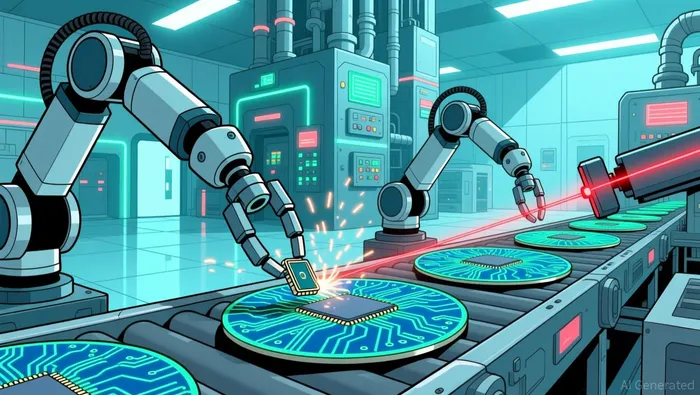 Second, supply-side constraints have exacerbated the imbalance. Labor shortages in critical manufacturing hubs like Taiwan-where an aging workforce threatens to create a shortfall of over 6.67 million workers-have disrupted production timelines. Meanwhile, advancements in 3D NAND stacking (now exceeding 176 layers) have increased technical complexity, further straining yields. These factors have extended lead times and limited output for conventional memory modules, pushing prices higher.
Ripple Effects on Tech Manufacturing and Consumer Electronics
The cost pressures from rising memory prices are cascading through downstream industries. For smartphones and PCs, memory constitutes a significant portion of the bill of materials (BOM). In mid-range smartphones, memory accounts for 15–20% of costs, while high-end devices face 10–15% exposure. As a result, manufacturers are forced to either raise prices, reduce specifications, or accept margin compression. Low-end vendors, operating on thin margins, are particularly vulnerable and likely to pass cost increases to consumers.
The PC market faces a dual challenge: rising memory costs coincide with the Windows 10 end-of-life refresh cycle and the AI PC marketing push. Vendors have signaled broad price hikes in H2 2026, with white-box and lower-tier manufacturers bearing the brunt of the shortage. The AI PC segment, which relies on higher RAM configurations, risks becoming unaffordable for mainstream consumers, potentially stifling adoption unless manufacturers downsize specifications.
Investment Implications and Strategic Considerations
For investors, the memory sector has emerged as a high-conviction opportunity. Shares of leading producers like Samsung, SK Hynix, and MicronMU-- have surged in 2025, with analysts revising earnings forecasts upward in response to the AI infrastructure boom. However, the sustainability of these gains hinges on whether supply constraints persist beyond 2026. TrendForce projects that prices will remain elevated through H1 2025, with stabilization expected as new production lines in China and the U.S. ramp up output.
A diversified approach is critical. While memory producers benefit from pricing power, investors should also consider exposure to complementary technologies, such as AI accelerators and quantum computing, which are reshaping demand dynamics. Strategic partnerships and R&D collaborations will be key to mitigating risks and capturing growth in specialized niches. For instance, companies like NVIDIANVDA-- and TSMCTSM--, pivotal to AI infrastructure, are likely to outperform as demand for high-bandwidth memory intensifies.
Conclusion
The current memory price surge underscores the fragility of global supply chains in the face of technological disruption. While AI-driven demand offers lucrative opportunities for semiconductor producers, it also amplifies vulnerabilities in labor and manufacturing. For downstream industries, the path forward requires innovation in cost management and supply chain resilience. Investors, meanwhile, must balance short-term gains with long-term risks, prioritizing diversification and strategic alignment with high-growth sectors. As the industry navigates this inflection point, the interplay between supply chain inflation and technological progress will remain a defining theme for years to come.





Comentarios
Aún no hay comentarios