
Is the Retail Sector Still a Buy in 2026?
The Federal Reserve's December 2025 rate cut, reducing the federal funds rate to a target range of 3.5–3.75%, marks a pivotal shift in monetary policy. This decision, driven by slowing job gains, elevated unemployment, and persistent inflation above 2%, reflects a delicate balancing act between supporting growth and curbing price pressures. For the retail sector, the implications are profound. Lower borrowing costs and a potential boost to consumer spending could reignite demand, particularly for discount retailers. Yet, the Fed's cautious stance-projecting only one rate cut in 2026 and another in 2027-suggests a measured approach, leaving investors to weigh opportunities against lingering macroeconomic uncertainties.
The Resilience of Discount Retailers
Discount retailers such as Ross StoresROST-- (ROST) and Dollar GeneralDG-- (DG) have emerged as standout performers in 2026, driven by strategic operational efficiencies and shifting consumer behavior. Dollar General's "Back to Basics" initiative, for instance, has delivered a 61-basis-point gross margin expansion and a 7% increase in comparable store sales for Ross Stores in Q3 2025. These gains stem from disciplined inventory management, optimized store layouts, and AI-driven analytics, which have reduced costs and enhanced customer experiences. Similarly, Dollar General's aggressive expansion-planning 450 new stores and 4,250 remodels-positions it to capitalize on underserved rural markets, where 80% of its locations operate.
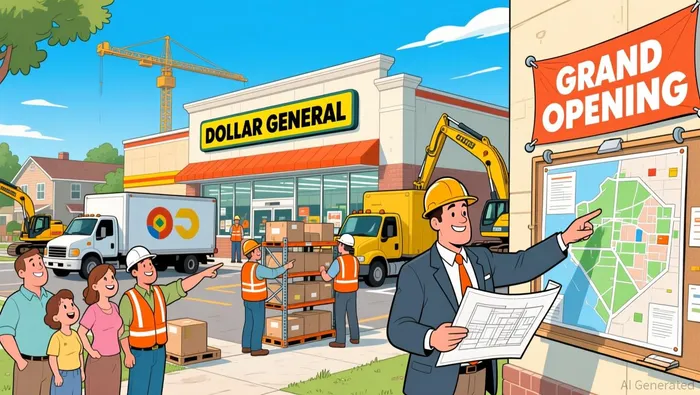 Such resilience is not accidental. Both retailers have prioritized cost control and supply chain optimization, enabling them to thrive amid inflationary pressures. Ross Stores, for example, achieved an 11.6% operating margin in 2025 through strict expense management, while Dollar General's inventory shrink reduction underscores its operational rigor. These metrics suggest that discount retailers are well-equipped to navigate a post-rate-cut environment, where consumers remain budget-conscious and trade-down to value-driven options.
Consumer Behavior and Borrowing Costs
The Fed's rate cuts are expected to lower borrowing costs in 2026, potentially boosting consumer purchasing power for large-ticket items such as homes and cars. This could indirectly benefit retailers, particularly those catering to middle- and lower-income households. However, the labor market's fragility-evidenced by rising unemployment and corporate job cuts at firms like Target and Amazon-introduces a critical caveat. Slower wage growth and employment instability may dampen spending, especially among vulnerable demographics.
Retail investors must also consider the interplay between rate cuts and consumer confidence. While lower rates may encourage borrowing, the Fed's cautious approach-projecting a gradual reduction to 3% by 2027-limits the immediate impact. Additionally, political pressures, such as President Trump's advocacy for further cuts, add uncertainty to the policy trajectory. This volatility could affect consumer behavior, as households and businesses adjust to shifting expectations.
Risks and Opportunities
The retail sector's growth potential in 2026 hinges on its ability to adapt to these dynamics. Discount retailers, with their focus on affordability and operational efficiency, appear best positioned to capitalize on trade-down trends. However, broader risks persist. Persistent inflation, even at reduced levels, could erode profit margins, while a potential jobless expansion-warned by Fed Chair Jerome Powell-might constrain demand.
For investors, the key lies in diversification. While discount stocks like Dollar General and Ross Stores offer resilience, thematic investments in AI-driven retailers (e.g., Palantir Technologies) and dividend-paying quality stocks (e.g., AbbVie) provide complementary opportunities. The challenge is balancing exposure to growth-oriented plays with defensive positions that mitigate macroeconomic shocks.
Conclusion
The retail sector remains a compelling but nuanced investment in 2026. The Fed's rate cuts, while modest, create a tailwind for consumer spending and borrowing, particularly for value-focused retailers. Yet, the path forward is not without risks. Investors must navigate a landscape shaped by labor market fragility, inflationary tailwinds, and policy uncertainties. For those willing to prioritize operational resilience and strategic diversification, the sector offers a mix of defensive strength and growth potential. As always, vigilance and adaptability will be paramount in this evolving environment.







Comentarios
Aún no hay comentarios