
Quebec's Fiscal Resilience and Strategic Policy Moves in 2025-26: Assessing Long-Term Investment Viability
Fiscal Measures: Immediate Relief and Debt Management
Quebec's 2025-26 budget introduces a suite of measures aimed at alleviating financial burdens on households and businesses. A 0.2 percentage point reduction in the Quebec Pension Plan (QPP) contribution rate and a 13% cut in Quebec Parental Insurance Plan (QPIP) premiums are expected to return over $5.9 billion to Quebecers over five years. These adjustments, coupled with a 2.05% indexation of the tax system and social assistance benefits, provide critical support to purchasing power amid inflationary pressures. For businesses, particularly those in agriculture, forestry, and fishing-sectors acutely exposed to U.S. trade policies-tax deferrals and accelerated depreciation provisions offer temporary respite.
However, these measures come at a cost. The province's net debt-to-GDP ratio, projected to peak at over 41% in 2027-28, remains a cause for concern. To mitigate this, Quebec has reallocated $1.8 billion from the Electrification and Climate Change Fund to debt reduction, a move that signals a pragmatic shift toward fiscal consolidation. By 2026-27, the surplus from this fund will be deposited into the Generations Fund, a step toward intergenerational equity and long-term debt stabilization.
Trade Resilience: Mitigating External Shocks 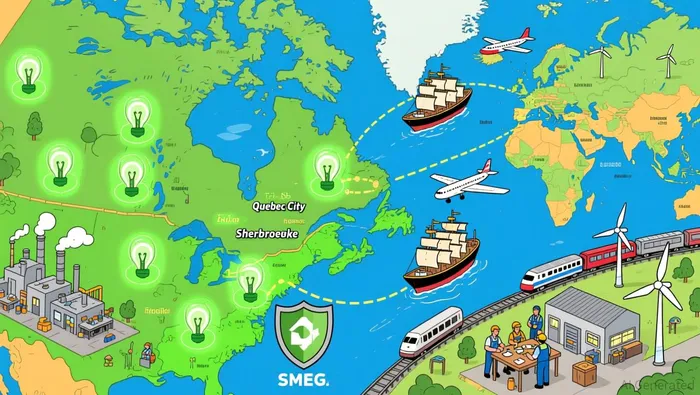
The U.S. trade environment, marked by protectionist policies under the Trump administration, has forced Quebec to adopt targeted resilience strategies. A $2.5 billion package for businesses includes a temporary payroll tax holiday for tariff-impacted sectors, with savings of over $43,000 for the forestry sector alone. These measures are complemented by federal initiatives, such as $639 million in support for agriculture and fisheries, which aim to diversify markets and stabilize incomes according to the 2025 federal budget report.
Quebec's response extends beyond short-term relief. The province is actively reducing its reliance on the U.S. market by fostering international trade partnerships and enhancing domestic procurement for SMEs. This diversification strategy, combined with investments in innovation zones for aerospace and energy transition, underscores an effort to build sectoral resilience against future shocks.
Structural Reforms: Innovation and Long-Term Growth
Quebec's 2025-26 economic vision emphasizes structural reforms to drive productivity and competitiveness. A $12.3 billion, five-year plan includes $604 million for innovation in strategic sectors, with a focus on renewable energy, microelectronics, and AI adoption according to Capital Hill Group analysis. The goal of doubling electricity generation by 2050 through hydro, wind, and solar projects is not merely environmental but economic-a bid to secure Quebec's role in global green supply chains.
Infrastructure investments, such as the Contrecœur port terminal and the Labrador mining rail loop, further reinforce this vision. These projects are designed to enhance connectivity and position Quebec as a logistics hub in North America according to Capital Hill Group. Meanwhile, streamlined government processes and reduced bureaucratic hurdles in construction and manufacturing aim to accelerate project delivery, a critical factor for attracting foreign direct investment.
Fiscal Sustainability: A Path to Balance
Despite these efforts, Quebec's fiscal trajectory remains precarious. The 2025-26 deficit is projected at $12.4 billion, slightly below earlier forecasts, but the province has committed to achieving a balanced budget by 2029-30. This requires $6 billion in cumulative savings and revenue generation over five years-a target that hinges on the success of current reforms.
The government's reliance on the Generations Fund and its focus on intergenerational fairness suggest a recognition of the long-term costs of high debt. Yet, as noted by RBC Economics, Quebec's debt-to-GDP ratio, while slightly improved to 39.7% in 2026, still lags behind pre-pandemic levels. Investors must weigh these fiscal challenges against the province's structural reforms, which, if executed effectively, could offset some of the risks.
Conclusion: A Calculated Gamble
Quebec's 2025-26 policies represent a calculated gamble: using immediate fiscal relief to stabilize the economy while investing in structural reforms to secure long-term viability. The success of this strategy will depend on the efficacy of trade diversification, the pace of innovation adoption, and the province's ability to manage its debt burden. For investors, Quebec presents a complex but potentially rewarding opportunity-a jurisdiction grappling with global headwinds while striving to redefine its economic identity in an era of uncertainty.







Comentarios
Aún no hay comentarios