
From NYC to Baku to Davos: Climate Conversations That Matter
Generado por agente de IAEdwin Foster
viernes, 17 de enero de 2025, 9:47 am ET1 min de lectura
NYC--
As the global climate landscape evolves, so do the priorities and challenges discussed at major international events. From Climate Week NYC to the Baku Initiative for Climate Finance, Investment and Trade (BICFIT) and the World Economic Forum's Annual Meeting in Davos, these gatherings bring together influential leaders to address pressing climate issues. Let's explore the key takeaways from each event and how they complement or differ in their focus and outcomes.
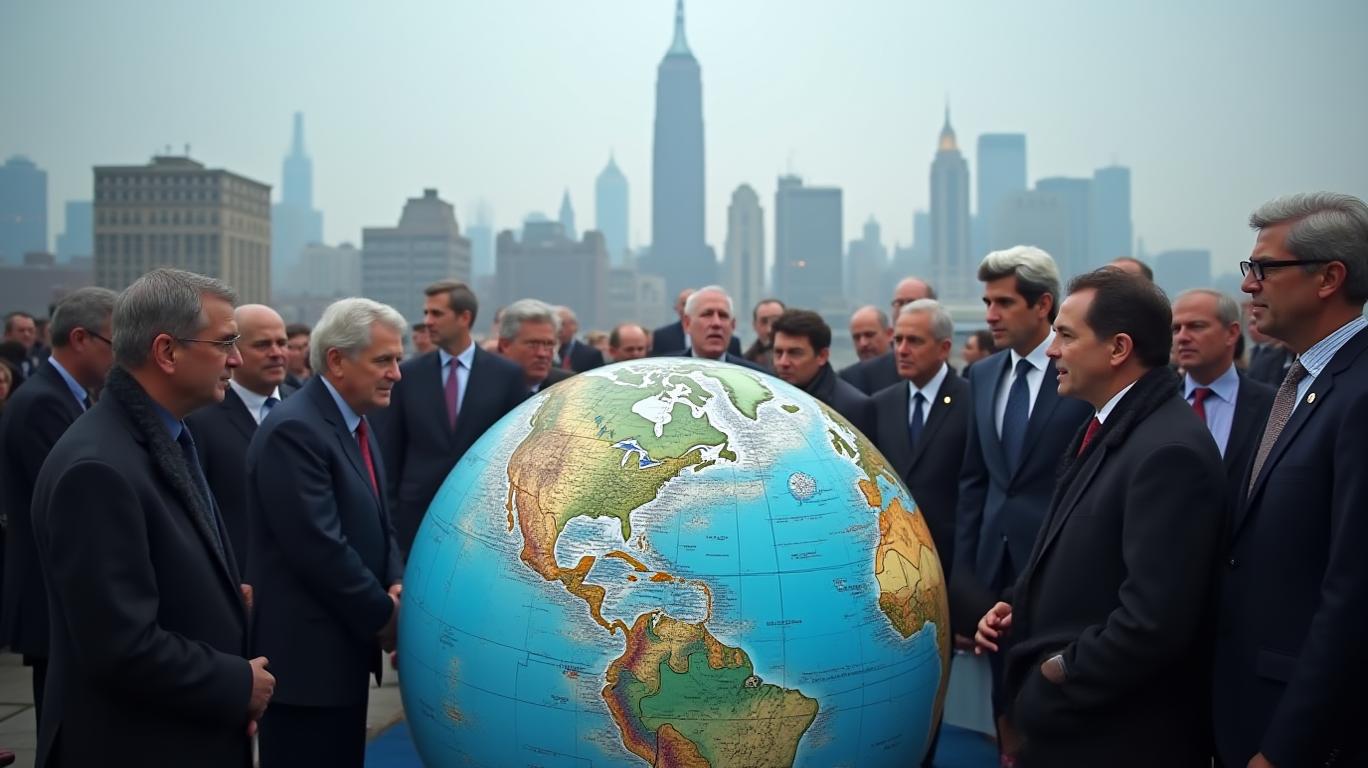
Climate Week NYC, held annually in September, serves as a rallying cry for climate action. With a theme of "It’s Time" in 2024, the event emphasizes the urgent need for progress and brings together heads of state, CEOs, climate activists, and scientists to drive change. Key focus areas include tripling renewable capacity, accelerating innovation, and pushing the transition into the mainstream of business and government. The outcomes of Climate Week NYC often include new partnerships, policy changes, and inspiring action.
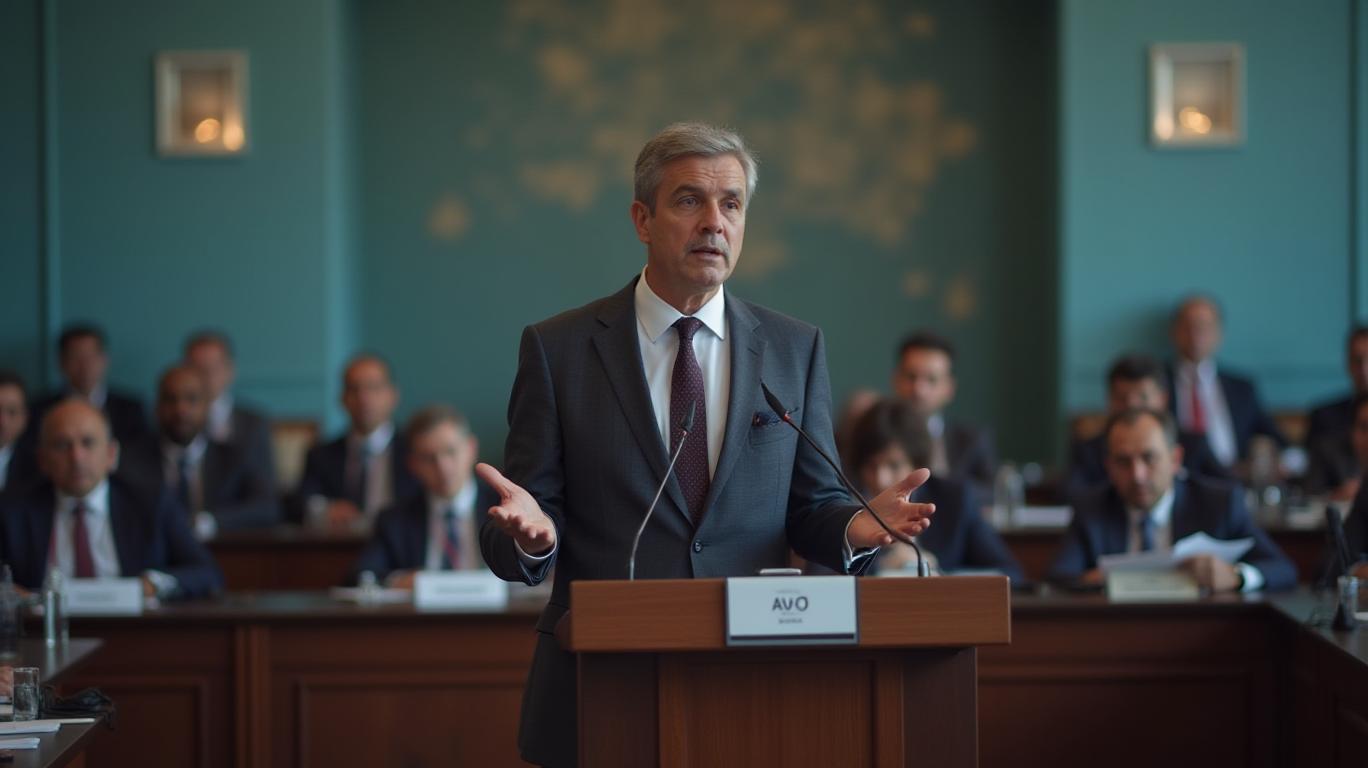
BICFIT, held during Climate Week NYC, focuses on climate finance, investment, and trade. This high-level dialogue event aims to mobilize private sector investment for climate action and facilitate international cooperation. Discussions center around the role of the private sector in BICFIT and the need for enhanced, investable, and implementable Nationally Determined Contributions (NDCs). Outcomes include commitments from the private sector and governments to increase climate finance and investment.
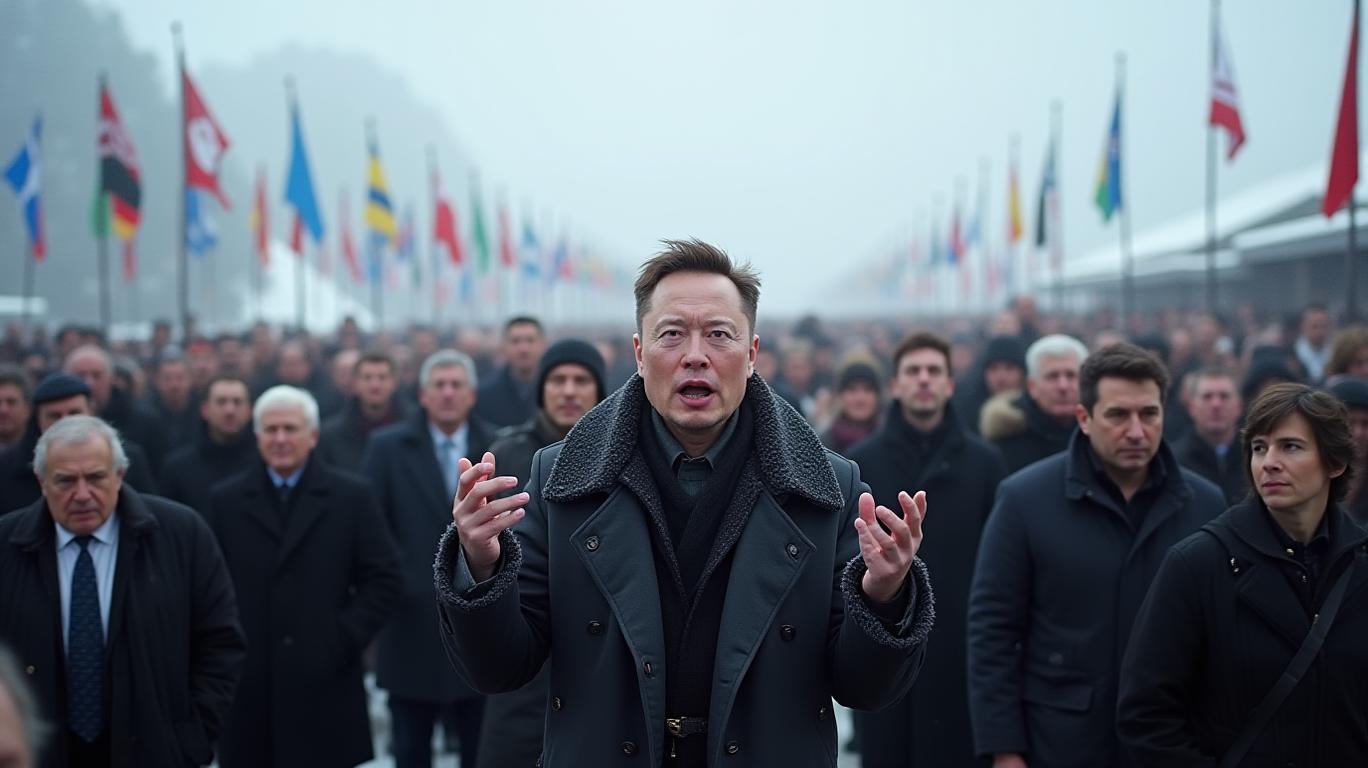
The World Economic Forum's Annual Meeting in Davos, held in January, focuses on global cooperation and collaboration in the Intelligent Age. With a theme of "Collaboration for the Intelligent Age" in 2025, the event brings together world leaders, business tycoons, academics, activists, and media to discuss and shape future international policies, with a strong emphasis on sustainability. Key themes include reimagining growth, industries in the Intelligent Age, investing in people, safeguarding the planet, and rebuilding trust. Outcomes include commitments, initiatives, and collaborations between governments, businesses, and civil society organizations.
In conclusion, the climate conversations at NYC, Baku, and Davos complement each other in their focus on global climate action, but they differ in their specific themes, participants, and outcomes. Climate Week NYC emphasizes urgent action and progress, BICFIT centers on climate finance and investment, and Davos concentrates on global cooperation and collaboration in the Intelligent Age. These events, along with their respective outcomes, play a crucial role in driving global climate policy and action by encouraging collaboration, innovation, and commitment from businesses, governments, and civil society.
As the global climate landscape evolves, so do the priorities and challenges discussed at major international events. From Climate Week NYC to the Baku Initiative for Climate Finance, Investment and Trade (BICFIT) and the World Economic Forum's Annual Meeting in Davos, these gatherings bring together influential leaders to address pressing climate issues. Let's explore the key takeaways from each event and how they complement or differ in their focus and outcomes.
Climate Week NYC, held annually in September, serves as a rallying cry for climate action. With a theme of "It’s Time" in 2024, the event emphasizes the urgent need for progress and brings together heads of state, CEOs, climate activists, and scientists to drive change. Key focus areas include tripling renewable capacity, accelerating innovation, and pushing the transition into the mainstream of business and government. The outcomes of Climate Week NYC often include new partnerships, policy changes, and inspiring action.
BICFIT, held during Climate Week NYC, focuses on climate finance, investment, and trade. This high-level dialogue event aims to mobilize private sector investment for climate action and facilitate international cooperation. Discussions center around the role of the private sector in BICFIT and the need for enhanced, investable, and implementable Nationally Determined Contributions (NDCs). Outcomes include commitments from the private sector and governments to increase climate finance and investment.
The World Economic Forum's Annual Meeting in Davos, held in January, focuses on global cooperation and collaboration in the Intelligent Age. With a theme of "Collaboration for the Intelligent Age" in 2025, the event brings together world leaders, business tycoons, academics, activists, and media to discuss and shape future international policies, with a strong emphasis on sustainability. Key themes include reimagining growth, industries in the Intelligent Age, investing in people, safeguarding the planet, and rebuilding trust. Outcomes include commitments, initiatives, and collaborations between governments, businesses, and civil society organizations.
In conclusion, the climate conversations at NYC, Baku, and Davos complement each other in their focus on global climate action, but they differ in their specific themes, participants, and outcomes. Climate Week NYC emphasizes urgent action and progress, BICFIT centers on climate finance and investment, and Davos concentrates on global cooperation and collaboration in the Intelligent Age. These events, along with their respective outcomes, play a crucial role in driving global climate policy and action by encouraging collaboration, innovation, and commitment from businesses, governments, and civil society.

Divulgación editorial y transparencia de la IA: Ainvest News utiliza tecnología avanzada de Modelos de Lenguaje Largo (LLM) para sintetizar y analizar datos de mercado en tiempo real. Para garantizar los más altos estándares de integridad, cada artículo se somete a un riguroso proceso de verificación con participación humana.
Mientras la IA asiste en el procesamiento de datos y la redacción inicial, un miembro editorial profesional de Ainvest revisa, verifica y aprueba de forma independiente todo el contenido para garantizar su precisión y cumplimiento con los estándares editoriales de Ainvest Fintech Inc. Esta supervisión humana está diseñada para mitigar las alucinaciones de la IA y garantizar el contexto financiero.
Advertencia sobre inversiones: Este contenido se proporciona únicamente con fines informativos y no constituye asesoramiento profesional de inversión, legal o financiero. Los mercados conllevan riesgos inherentes. Se recomienda a los usuarios que realicen una investigación independiente o consulten a un asesor financiero certificado antes de tomar cualquier decisión. Ainvest Fintech Inc. se exime de toda responsabilidad por las acciones tomadas con base en esta información. ¿Encontró un error? Reportar un problema


SOBRE NOSOTROS
Nuestra historiaAutores de noticiasBase de conocimientosPolítica de privacidadTérmino de usoDescargo de responsabilidad de corretaje de tercerosTérminos de uso de AIMEDivulgaciones de riesgos de AInvest AICarrerasCONTÁCTENOS
Email: support@ainvest.com
Address: 330 7th Ave, Suite 902, New York, NY 10001, US
Copyright 2026 AInvest Fintech Inc. All rights reserved.


Comentarios
Aún no hay comentarios