
Navigating Tariff Turbulence: Sector Vulnerabilities and Strategic Plays in a Protectionist World
The U.S. tariff regime, now a labyrinth of exemptions, quotas, and retaliatory measures, has become a defining force in global markets. With automotive tariffs set to escalate in August and semiconductor investigations looming, investors must dissect sector-specific exposures while seeking asymmetric opportunities. Here's how to position portfolios for this new era of trade friction.
Automotive Sector: A Geopolitical Chessboard
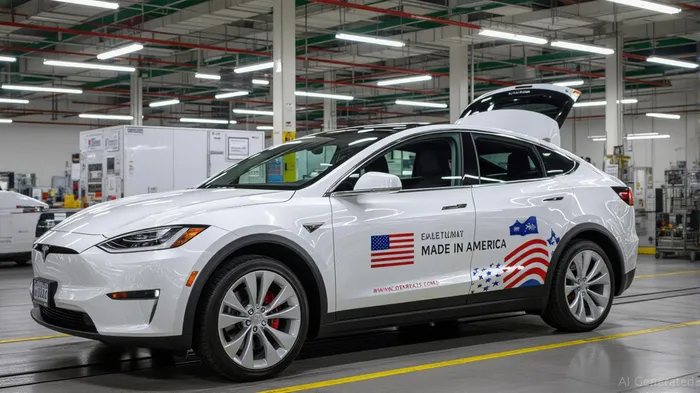
The automotive industry faces a stark divide between U.S.-compliant firms and those reliant on foreign supply chains. Starting August 1, 25% tariffs will hit non-compliant vehicles, with compounding levies for Japanese and South Korean imports (e.g., ToyotaTM-- Camrys face up to 50%). The U.S.-Mexico-Canada Agreement (USMCA) provides a lifeline: automakers using 75% North American content avoid tariffs.
Winners:
- Ford (F) and General Motors (GM), which have retooled production to meet USMCA rules.
- Rolls-Royce Holdings (RR.L), benefiting from the U.S.-UK tariff-rate quota (7.5% duty).
Losers:
- Toyota (TM) and Honda (HMC), whose Asian supply chains remain vulnerable.
Semiconductors: A Race to Reshore
The threat of 25% Section 232 tariffs on semiconductors—pending a December 2025 Commerce Department ruling—has intensified the push for domestic production. The CHIPS Act ($52B in subsidies) is fueling U.S. facilities, but Asian manufacturers like TSMC (TSM) face cost pressures.
Play the reshoring theme:
- Intel (INTC): A 20% rally post-CHIPS Act, with $30B allocated to Ohio and New Mexico fabs.
- ioneer (IONR): Critical lithium supplier to domestic battery makers.
Consumer Goods: Inflation's Frontline
Tariffs on imports (e.g., 100% on EV batteries) risk fueling cost-push inflation, squeezing retailers. The U.S.-Vietnam trade deal (20% tariffs on non-compliant goods) adds to volatility.
Defensive picks:
- Walmart (WMT) and Costco (COST): Scale to source domestically or negotiate supplier terms.
- Whirlpool (WHR): Fully U.S.-sourced appliances.
The Fed's Dilemma: Rates vs. Inflation
The Federal Reserve faces a conundrum: tariff-driven inflation (e.g., auto prices up 8% year-on-year) limits its ability to cut rates. This policy inertia favors bond investors who can hedge duration risk.
Bond strategies:
1. TIPS (Treasury Inflation-Protected Securities): Hedge against rising prices.
2. Long-duration bonds (e.g., 30-year Treasuries): Benefit from flattening yield curves if the Fed holds rates steady.
Currency Plays: Short the Yen, Watch the Pound
- JPY/USD: Short the yen, as Japanese exporters (e.g., Toyota) face margin pressure.
- GBP/USD: Bullish if U.S.-UK trade deals expand beyond autos.
Final Call: Hedging and Hesitation
Investors must balance exposure to reshored winners (F, INTCINTC--, WMT) with hedges against retaliation and inflation. The August 1 tariff deadline is a critical inflection point—act now, or risk being checkmated by protectionist crosswinds.
In this game of tariff chess, the edge goes to those who control their supply chains—and their portfolios.
Disclosure: This analysis is for informational purposes only and should not be construed as personalized investment advice.





Comentarios
Aún no hay comentarios