
Navigating the Tariff Crossroads: Strategic Sector Allocations Amid U.S.-EU Trade Tensions
The escalating U.S.-EU tariff war, now entering a critical phase as deadlines loom, has created a volatile landscape for investors. With retaliatory measures threatening key sectors and the EUR/USD exchange rate swinging like a pendulum, strategic sector allocations have become imperative. This article dissects the risks and opportunities in tech, industrials, and pharmaceuticals, while advocating for currency hedging to capitalize on the volatility.
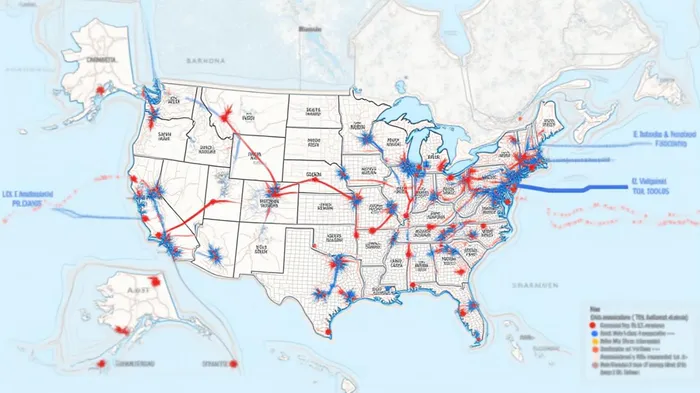
The Tariff Landscape: A Sector-Specific Analysis
Technology: A Relative Safe Haven
The tech sector appears largely insulated from direct tariff impacts, as the current U.S.-EU disputes focus on metals, chemicals, and agricultural goods. EU tech firms, particularly those in software and digital services, face minimal exposure to retaliatory measures. Meanwhile, U.S. tech giants, shielded by the sector’s non-tariff-sensitive nature, could benefit from a weaker USD (see below). However, indirect risks persist: supply chain disruptions in semiconductor manufacturingTSM--, reliant on chemical inputs like toluidines (targeted by EU countermeasures), could create bottlenecks.
Investors should overweight EU tech exporters, which benefit from a weaker EUR and global demand, while underweighting U.S. industrials exposed to EU tariffs.
Industrials: A Bipartisan Battlefield
The industrials sector is ground zero for tariff fallout. The U.S. has maintained Section 232 tariffs on EU steel and aluminum since 2018, while the EU’s proposed countermeasures target U.S. exports of ferrous waste, aluminum waste, and toluidines—key inputs for manufacturing. EU industrials face dual pressures: retaliatory tariffs from the U.S. (e.g., on motorcycles and machinery) and reduced competitiveness in U.S. markets due to higher input costs.
Conversely, U.S. industrials reliant on exporting waste metals or chemicals to the EU now face retaliatory tariffs, making them vulnerable. Investors should underweight U.S. industrials such as metals recyclers and chemical manufacturers (e.g., Nucor, Dow) while favoring EU industrials with diversified markets (e.g., Siemens, Thyssenkrupp).
Pharmaceuticals: A Sheltered Oasis
Pharmaceuticals emerge as a rare bright spot. Neither the U.S. nor the EU has targeted healthcare products in their tariff lists, preserving cross-border trade flows. EU pharmaceutical companies (e.g., Roche, Sanofi) benefit from strong demand and regulatory stability, while U.S. peers (e.g., Pfizer, Merck) face no retaliatory risks. However, the sector’s performance may hinge on broader macroeconomic factors: a weakening EUR could boost EU pharma exporters’ dollar-denominated revenues.
Currency Plays: The EUR/USD Hedge
The EUR/USD exchange rate offers a critical hedge against tariff volatility. The Tax Foundation’s estimate of a 0.2%–0.9% U.S. GDP contraction due to retaliation suggests the USD could weaken as trade deficits widen. Conversely, the EU’s delayed tariff implementation (suspended until July 14) may provide a window for EUR appreciation if the EU’s countermeasures deter further U.S. escalation.
Overweight EUR/USD long positions to capitalize on potential USD depreciation. Pair this with a short position in U.S. industrials to hedge against tariff-driven declines.
Strategic Recommendations
- Overweight EU Tech and Pharmaceuticals: Their tariff immunity and global demand resilience make them defensive plays.
- Underweight U.S. Industrials: Exposure to EU countermeasures on metals/chemicals and retaliatory tariffs on U.S. exports justifies caution.
- Hedge with EUR/USD: Long EUR/USD positions to benefit from USD weakness and EU policy tailwinds.
Conclusion
The U.S.-EU tariff war is a zero-sum game, but investors can navigate it by prioritizing sectors insulated from retaliation while leveraging currency dynamics. With the July 14 deadline fast approaching, swift action is critical. The path forward is clear: shift capital toward EU tech/pharma, away from vulnerable U.S. industrials, and deploy EUR/USD hedges to turn volatility into opportunity.
Disclaimer: Past performance does not guarantee future results. Investors should conduct their own due diligence.







Comentarios
Aún no hay comentarios