
Macron's Gaza Gambit: Geopolitical Stability, Energy Markets, and the Surge in European Defense Stocks
The geopolitical landscape of the Middle East has long been a fulcrum for global economic stability. In 2025, French President Emmanuel Macron's aggressive diplomatic push for a Gaza ceasefire has reignited debates about the interplay between conflict resolution, energy security, and defense sector dynamics. His recent recognition of a Palestinian state at the United Nations General Assembly-a move framed as a strategic step toward isolating Hamas and advancing a two-state solution-has drawn sharp criticism from Israel and the United States but has also catalyzed a broader reevaluation of European security priorities, according to an AP report. This article examines how Macron's efforts are reshaping global energy markets and fueling a surge in European defense stocks, while underscoring the complex trade-offs between short-term volatility and long-term stability.
Macron's Diplomatic Gambit and the Two-State Illusion
Macron's decision to recognize Palestine is not merely symbolic; it is a calculated attempt to reframe the narrative around the Gaza conflict. By aligning with the UK, Canada, and other nations in urging Israel to halt military operations and facilitate humanitarian aid, Macron has positioned France as a mediator in a crisis that risks spilling into broader regional war, as reported by Egypt Oil & Gas. However, this approach has been met with resistance. Israeli Prime Minister Benjamin Netanyahu has condemned the move as a "disgrace," arguing it emboldens militants and undermines Israel's security, according to US Funds. The U.S., meanwhile, has withdrawn from ceasefire talks, reflecting a broader divergence in transatlantic priorities.
Despite these tensions, Macron's strategy underscores a critical insight: the two-state solution remains the only viable path to lasting peace in the region, as reiterated by the UN Secretary-General and the General Assembly President, according to WealthDaily. Yet, the immediate consequences of his diplomacy are far from clear. While a successful ceasefire could reduce regional volatility, the current stalemate has already heightened geopolitical risk premiums in energy markets, as traders price in the potential for supply disruptions in the Eastern Mediterranean, as noted by Worldwide Recruitment.
Energy Markets: Volatility and the Shadow of the Middle East
The Gaza conflict has amplified existing vulnerabilities in global energy markets. The Middle East, a region responsible for nearly 30% of global oil production, remains a flashpoint for instability. According to a report by the International Energy Agency (IEA), even the absence of direct supply disruptions has led to heightened volatility in oil prices, as traders anticipate potential blockades of the Strait of Hormuz or strikes on critical infrastructure. The World Bank has warned that a large-scale disruption could push oil prices up by 56–75%, with cascading effects on inflation and economic growth, as explored by OilPrice.
Macron's ceasefire efforts, however, have introduced a degree of uncertainty. While a de-escalation could reduce risk premiums and stabilize prices, the current lack of progress has kept markets on edge. For instance, Brent crude prices fell by 4.76% in early 2025 following tentative ceasefire talks, only to rebound as optimism faded. This pattern highlights the sector's sensitivity to geopolitical developments, even in the absence of direct physical disruptions. Investors must now weigh the likelihood of a durable ceasefire against the persistent risks of regional escalation, particularly given Israel's threats to strike Iranian nuclear sites and Iran's potential retaliatory measures.
European Defense Stocks: A Parabolic Rally Amid Strategic Reorientation
While energy markets grapple with uncertainty, European defense stocks have experienced a parabolic surge, driven by a confluence of factors. Macron's advocacy for increased defense spending-coupled with Germany's constitutional reforms to allow higher military budgets and the EU's $840 billion readiness plan-has created a tailwind for the sector. Companies like Airbus, BAE Systems, and Rheinmetall have seen their shares nearly double in 2025, reflecting robust demand for military hardware and a shift toward European self-sufficiency, as noted by WealthDaily.
This rally is not merely cyclical but structural. Analysts from Morningstar and WealthDaily note that European defense budgets are projected to grow at an annual rate of 6.8% from 2024 to 2035, outpacing U.S., Russian, and Chinese spending trends. The sector's resilience is further bolstered by long-term contracts and a focus on modernization programs, such as the Eurofighter Typhoon and the AUKUS submarine deal. However, the recent pullback in defense stocks following ceasefire rumors-such as those involving U.S. President Donald Trump and Russian President Vladimir Putin-reveals the sector's vulnerability to short-term geopolitical optimism.
The Interconnected Risks and Opportunities
The interplay between Macron's diplomacy, energy markets, and defense stocks underscores a broader truth: geopolitical stability is a double-edged sword. A successful ceasefire could reduce energy volatility and lower defense spending pressures, but it might also erode the momentum behind European defense modernization. Conversely, prolonged conflict risks inflationary shocks and a fragmented transatlantic alliance, as seen in the U.S.'s withdrawal from talks and France's push for strategic independence.
For investors, the key lies in balancing these dynamics. Energy markets remain exposed to Middle East tensions, but the transition to renewables offers a hedge against volatility. Meanwhile, European defense stocks appear well-positioned for sustained growth, provided regional conflicts persist. As Macron's gambit unfolds, the challenge will be to navigate the fine line between peace and preparedness-a line that defines the very essence of geopolitical stability. 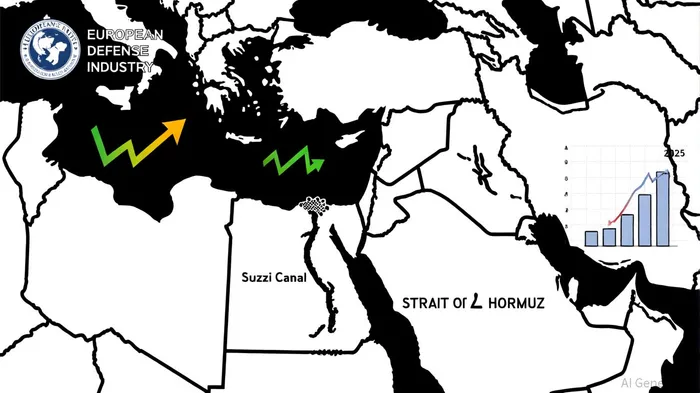







Comentarios
Aún no hay comentarios