
Lebua at State Tower: A Culinary and Luxury Beacon in Asia-Pacific's Expanding Hospitality Sector
In the ever-evolving landscape of luxury hospitality, few brands have achieved the precision of Lebua at State Tower—a Bangkok icon that has transformed itself from a celebrated hotel into a symbol of culinary and experiential excellence. Over the past three years, Lebua has cemented its global reputation through a relentless focus on innovation, award-winning gastronomy, and strategic expansion, positioning itself as a harbinger of sustainable growth in Asia-Pacific's luxury sector. This article explores how Lebua's brand equity is driving scalable revenue opportunities and why investors should take note of its trajectory.
Brand Equity Built on Culinary Mastery and Recognition
Lebua's rise begins with its restaurants, which have become magnets for gastronomic connoisseurs. Since 2023, its flagship restaurants—Mezzaluna and Chef's Table—have dominated the MICHELIN Guide Thailand, securing Two Stars for three consecutive years. These accolades are complemented by category-defining wins at the World Culinary Awards, such as World's Best Fine Dining Hotel Restaurant and Asia's Best Landmark Restaurant, which validate Lebua's role as a global culinary authority. Meanwhile, Sirocco, its rooftop venue, has been hailed as the World's Best Rooftop Restaurant, leveraging Bangkok's skyline to create an unparalleled ambiance.
This recognition is no accident. Lebua invests heavily in its culinary teams and partnerships, ensuring its offerings align with evolving tastes. The Sommelier Award and TOP25 Restaurants Bangkok Awards further underscore its ability to deliver holistic experiences—where food, service, and ambiance coalesce into a brand promise.
Strategic Expansion: Reinventing Luxury for Modern Audiences
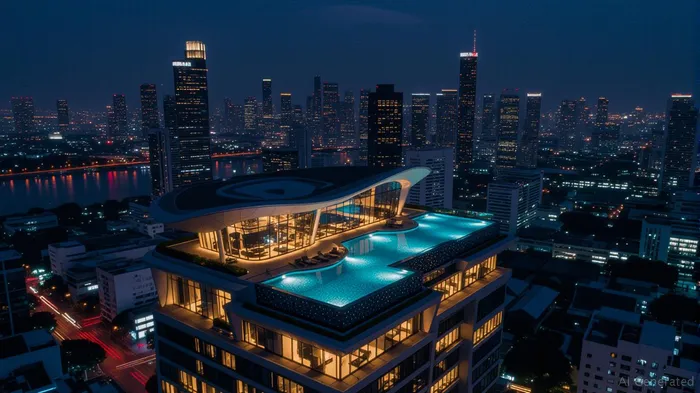
Beyond awards, Lebua's expansion strategy reveals a sharp understanding of market dynamics. In 2025, the hotel unveiled a redesign of 28 luxury suites, blending modern aesthetics with functional elegance. The Les Marchands dining concept—a fusion of Indian, Italian, and Thai cuisines—replaces Café Mozu, catering to a demographic seeking diverse, all-day dining options. Meanwhile, renovations to Sirocco (expanded seating, a new bar, and poolside cabanas) and the Tower Club's suite upgrades reflect a commitment to evolving guest expectations.
These moves are not merely cosmetic. By enhancing its offerings without compromising its luxury ethos, Lebua is broadening its appeal while maintaining exclusivity—a delicate balance critical for sustainable premium pricing. The Festive Season 2024–2025 events, including the highest laser mapping spectacle in Thailand, further amplified its brand visibility, drawing both tourists and high-spending locals.
Market Positioning and the Case for Investment
Lebua's achievements are not isolated. They mirror a broader trend: Asia-Pacific's luxury hospitality sector is poised for recovery and expansion, driven by rebounding tourism, rising disposable incomes, and a growing preference for curated, high-end experiences. The region's luxury travel market, projected to grow at a CAGR of 6.8% through 2030, offers fertile ground for brands like Lebua that blend heritage with innovation.
Investors should note two key advantages of Lebua's model:
1. Brand Equity as a Pricing Multiplier: Lebua's awards and reputation allow it to command premium rates, even in competitive markets. Its Suite Category upgrades (e.g., three-bedroom suites with expanded views) cater to ultra-high-net-worth travelers willing to pay a premium for exclusivity.
2. Scalability Through Franchising or Partnerships: While Lebua remains a standalone brand, its success could inspire franchising opportunities or strategic alliances with luxury conglomerates, unlocking new revenue streams without diluting its identity.
Risks and Considerations
Of course, risks persist. Over-reliance on Thailand's tourism sector—a key driver of Lebua's occupancy—could expose it to macroeconomic volatility. Additionally, the luxury market's saturation in mature markets like Japan and Singapore may require Lebua to innovate further in lesser-served regions such as Southeast Asia's emerging cities.
Conclusion: A Beacon of Sustainable Luxury
Lebua at State Tower is more than a hotel; it is a testament to the power of brand equity in the luxury sector. Its ability to consistently deliver world-class experiences, adapt to evolving preferences, and capitalize on regional growth makes it a compelling case study for investors seeking exposure to Asia-Pacific's premium hospitality boom.
For those unable to directly invest in Lebua—given its private status—proxies exist. Consider tracking the performance of luxury hotel REITs or regional travel stocks, such as Thai Airways (THAI) or Hong Kong's Mandarin Oriental (00134.HK), to gauge sector momentum. However, Lebua's trajectory suggests that brands prioritizing authenticity, innovation, and experiential value will dominate this space.
In a world where luxury is defined by more than just price tags, Lebua has mastered the art of turning recognition into revenue. Its story is not just about staying ahead—it's about setting new standards. For investors, this is a trend worth following closely.
Data Note: For real-time analysis of regional luxury hospitality trends, track indicators such as Bangkok hotel occupancy rates and Asia-Pacific luxury travel indices via platforms like STR Global or Euromonitor.







Comentarios
Aún no hay comentarios