
"US Interest Puts Greenland in Focus"
Generado por agente de IAEdwin Foster
martes, 11 de marzo de 2025, 4:34 am ET2 min de lectura
GTEC--
The Arctic is heating up, and not just because of climate change. GreenlandGTEC--, the world’s largest island, is once again making headlines as Prime Minister Múte Bourup Egede calls for independence from Denmark. The strategic interests of the U.S. in Greenland are becoming increasingly apparent, driven by the island’s vast natural resources and its pivotal geopolitical location. As the world watches, the U.S. is poised to play a significant role in Greenland’s future, with potential implications that extend far beyond the Arctic.
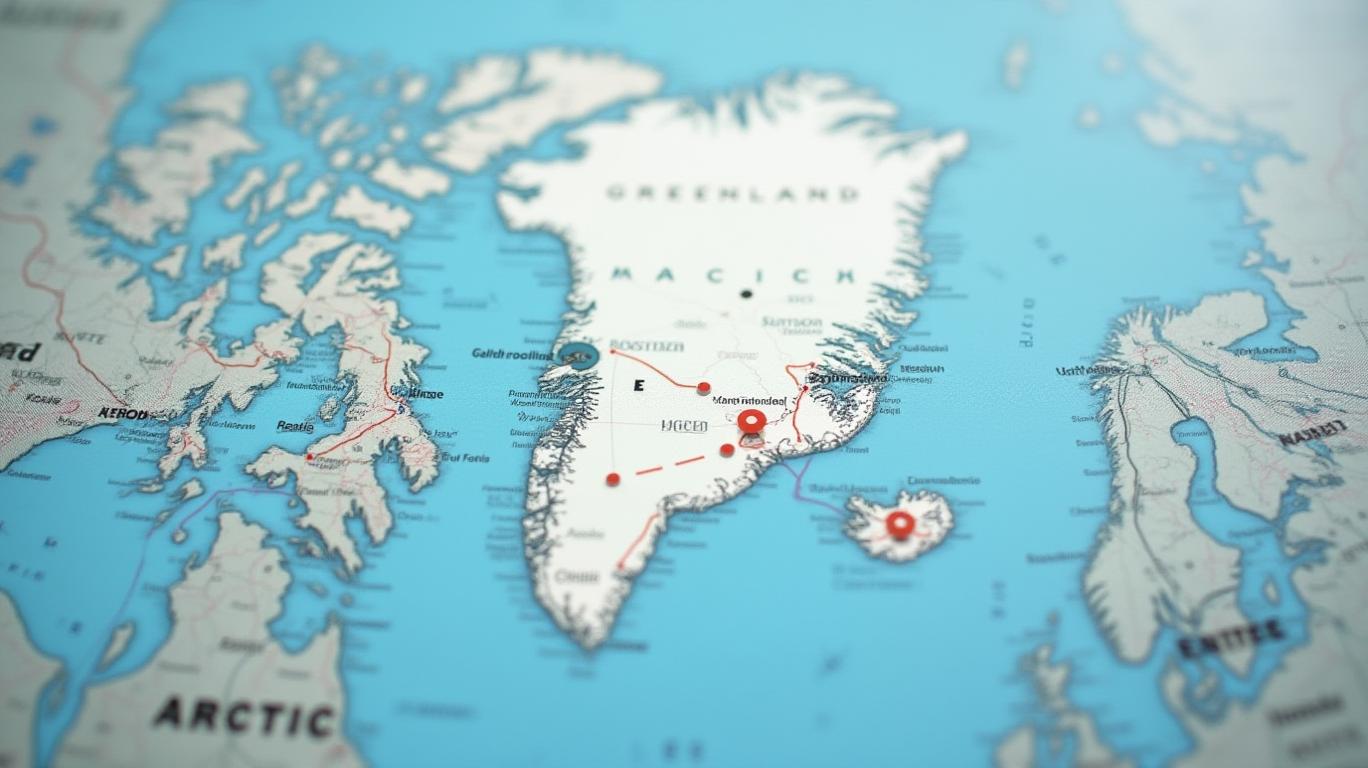
The U.S. has long recognized the strategic importance of Greenland. During World War II, the U.S. established a military presence on the island, and since then, it has maintained a keen interest in the region. The U.S. Air Force’s Thule Air Base, located in northwesternNWE-- Greenland, is a critical component of the North American Aerospace Defense Command (NORAD), providing early warning of potential missile attacks. As climate change opens new shipping lanes and resource extraction opportunities, the U.S. is increasingly focused on securing its interests in the Arctic.
Greenland’s strategic location makes it a geopolitical hotspot. The island’s vast natural resources, including rare earth minerals, oil, and gas deposits, position it as a potential economic powerhouse. The U.S. has shown interest in these resources, recognizing their importance for its technology and energy sectors. By investing in the extraction and processing of these resources, the U.S. could ensure a stable supply chain and reduce dependence on other global suppliers.
However, the U.S. is not the only global power with interests in Greenland. China has also shown increased interest in the Arctic, investing in infrastructure and resource development in the region. China’s interest in Greenland is driven by its desire to secure access to natural resources and to establish a presence in the Arctic as a key player in global geopolitics. This has led to a competitive dynamic between the U.S. and China, with both countries vying for influence in Greenland.
The U.S. and China’s interests in Greenland are not limited to natural resources. Both countries are also interested in the island’s strategic location, which makes it a key player in Arctic security. The U.S. has been involved in scientific research and development in the region, and has been a key ally of Denmark, which has controlled Greenland for centuries. China, on the other hand, has been increasingly active in the Arctic in recent years, investing in infrastructure and resource development in the region.
As Greenland charts its course toward independence, the U.S. and China’s interests in the island are likely to become even more pronounced. The U.S. could provide Greenland with the necessary support to achieve independence, including financial aid, military assistance, and diplomatic backing. This support could help Greenland achieve its economic goals while also ensuring that the U.S. maintains a strategic presence in the Arctic.
However, the U.S. involvement in Greenland could also have potential geopolitical implications. For instance, it could lead to increased tensions between the U.S. and Denmark, as Denmark may view the U.S. involvement as an infringement on its sovereignty over Greenland. Additionally, it could lead to increased tensions between the U.S. and China, as they may view the U.S. involvement as an attempt to assert its dominance in the Arctic region.
The U.S. and China’s interests in Greenland are likely to shape the island’s future in significant ways. As Greenland charts its course toward independence, it will need to navigate the complex geopolitical landscape of the Arctic, balancing the interests of global powers while also pursuing its own economic and political goals. The U.S. and China’s involvement in Greenland could provide the island with the necessary support to achieve independence, but it could also lead to increased tensions and competition in the region.
In conclusion, the U.S. interest in Greenland is driven by the island’s strategic location and vast natural resources. As Greenland charts its course toward independence, the U.S. is poised to play a significant role in the island’s future. However, the U.S. involvement in Greenland could also have potential geopolitical implications, as it could lead to increased tensions between the U.S. and other global powers. As Greenland navigates the complex geopolitical landscape of the Arctic, it will need to balance the interests of global powers while also pursuing its own economic and political goals. The world must choose: cooperation or collapse.
NWE--
The Arctic is heating up, and not just because of climate change. GreenlandGTEC--, the world’s largest island, is once again making headlines as Prime Minister Múte Bourup Egede calls for independence from Denmark. The strategic interests of the U.S. in Greenland are becoming increasingly apparent, driven by the island’s vast natural resources and its pivotal geopolitical location. As the world watches, the U.S. is poised to play a significant role in Greenland’s future, with potential implications that extend far beyond the Arctic.
The U.S. has long recognized the strategic importance of Greenland. During World War II, the U.S. established a military presence on the island, and since then, it has maintained a keen interest in the region. The U.S. Air Force’s Thule Air Base, located in northwesternNWE-- Greenland, is a critical component of the North American Aerospace Defense Command (NORAD), providing early warning of potential missile attacks. As climate change opens new shipping lanes and resource extraction opportunities, the U.S. is increasingly focused on securing its interests in the Arctic.
Greenland’s strategic location makes it a geopolitical hotspot. The island’s vast natural resources, including rare earth minerals, oil, and gas deposits, position it as a potential economic powerhouse. The U.S. has shown interest in these resources, recognizing their importance for its technology and energy sectors. By investing in the extraction and processing of these resources, the U.S. could ensure a stable supply chain and reduce dependence on other global suppliers.
However, the U.S. is not the only global power with interests in Greenland. China has also shown increased interest in the Arctic, investing in infrastructure and resource development in the region. China’s interest in Greenland is driven by its desire to secure access to natural resources and to establish a presence in the Arctic as a key player in global geopolitics. This has led to a competitive dynamic between the U.S. and China, with both countries vying for influence in Greenland.
The U.S. and China’s interests in Greenland are not limited to natural resources. Both countries are also interested in the island’s strategic location, which makes it a key player in Arctic security. The U.S. has been involved in scientific research and development in the region, and has been a key ally of Denmark, which has controlled Greenland for centuries. China, on the other hand, has been increasingly active in the Arctic in recent years, investing in infrastructure and resource development in the region.
As Greenland charts its course toward independence, the U.S. and China’s interests in the island are likely to become even more pronounced. The U.S. could provide Greenland with the necessary support to achieve independence, including financial aid, military assistance, and diplomatic backing. This support could help Greenland achieve its economic goals while also ensuring that the U.S. maintains a strategic presence in the Arctic.
However, the U.S. involvement in Greenland could also have potential geopolitical implications. For instance, it could lead to increased tensions between the U.S. and Denmark, as Denmark may view the U.S. involvement as an infringement on its sovereignty over Greenland. Additionally, it could lead to increased tensions between the U.S. and China, as they may view the U.S. involvement as an attempt to assert its dominance in the Arctic region.
The U.S. and China’s interests in Greenland are likely to shape the island’s future in significant ways. As Greenland charts its course toward independence, it will need to navigate the complex geopolitical landscape of the Arctic, balancing the interests of global powers while also pursuing its own economic and political goals. The U.S. and China’s involvement in Greenland could provide the island with the necessary support to achieve independence, but it could also lead to increased tensions and competition in the region.
In conclusion, the U.S. interest in Greenland is driven by the island’s strategic location and vast natural resources. As Greenland charts its course toward independence, the U.S. is poised to play a significant role in the island’s future. However, the U.S. involvement in Greenland could also have potential geopolitical implications, as it could lead to increased tensions between the U.S. and other global powers. As Greenland navigates the complex geopolitical landscape of the Arctic, it will need to balance the interests of global powers while also pursuing its own economic and political goals. The world must choose: cooperation or collapse.

Divulgación editorial y transparencia de la IA: Ainvest News utiliza tecnología avanzada de Modelos de Lenguaje Largo (LLM) para sintetizar y analizar datos de mercado en tiempo real. Para garantizar los más altos estándares de integridad, cada artículo se somete a un riguroso proceso de verificación con participación humana.
Mientras la IA asiste en el procesamiento de datos y la redacción inicial, un miembro editorial profesional de Ainvest revisa, verifica y aprueba de forma independiente todo el contenido para garantizar su precisión y cumplimiento con los estándares editoriales de Ainvest Fintech Inc. Esta supervisión humana está diseñada para mitigar las alucinaciones de la IA y garantizar el contexto financiero.
Advertencia sobre inversiones: Este contenido se proporciona únicamente con fines informativos y no constituye asesoramiento profesional de inversión, legal o financiero. Los mercados conllevan riesgos inherentes. Se recomienda a los usuarios que realicen una investigación independiente o consulten a un asesor financiero certificado antes de tomar cualquier decisión. Ainvest Fintech Inc. se exime de toda responsabilidad por las acciones tomadas con base en esta información. ¿Encontró un error? Reportar un problema




Comentarios
Aún no hay comentarios